The Broomsedge bluestem Plant Advantage: Maximizing Home and Office Appeal and Wellness
1
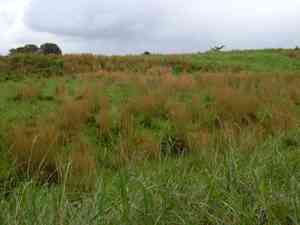
Andropogon virginicus is a robust grass variety ideal for preventing soil erosion.
2
It flourishes in nutrient-poor ground and needs little upkeep.
3
Andropogon virginicus provides essential shelter for diverse animal life.
Why is Broomsedge Bluestem an Excellent Choice for Preventing Soil Loss?
Deep Root Systems Offer Stability
Broomsedge bluestem possesses extensive, fibrous root networks that are highly effective at stabilizing earth and preventing erosion. These roots firmly anchor the soil, making it a superb option for areas susceptible to erosion. Whether on inclines, alongside waterways, or on disturbed ground, Broomsedge bluestem can significantly reduce soil depletion and enhance soil composition.
Effective Ground Coverage
The dense, clump-forming growth habit of Broomsedge bluestem creates substantial ground cover, which further aids in minimizing soil displacement. It efficiently protects the ground from heavy rainfall and runoff, thereby preserving the soil's richness and structure. This natural covering is particularly advantageous in grazing lands and restoration projects.
How Does Broomsedge Bluestem Benefit Local Wildlife?
Provides Sanctuary and Sustenance
Broomsedge bluestem is more than just a grass; it plays a vital role in supporting local fauna. The plant's thick clumps offer excellent refuge and nesting locations for ground-dwelling birds and small mammals. Its seeds and foliage also provide a crucial food source for various animal species, contributing to ecological diversity.
Creates Habitats for Pollinating Insects
Beyond sheltering larger wildlife, Broomsedge bluestem also supports pollinators. Its flowering stems attract various insects, including bees and butterflies, which are essential for pollination. By fostering a thriving population of pollinators, Broomsedge bluestem indirectly supports the wider ecosystem and agricultural output.
Why is Broomsedge Bluestem Perfect for Effortless Landscaping?
Thrives in Inferior Soil Conditions
Broomsedge bluestem is well-known for its capacity to grow in poor soils where other plants might struggle. Whether the soil is sandy, rocky, or lacking in nutrients, Broomsedge bluestem can establish itself with minimal intervention. This characteristic makes it an ideal choice for rehabilitating degraded lands and for use in xeriscaping, where water conservation is a priority.
Minimal Water and Fertilizer Requirements
One of the key advantages of Broomsedge bluestem is its low maintenance. It requires minimal irrigation once established, making it a sustainable option for regions with water scarcity. Additionally, it doesn't necessitate regular fertilization, further reducing its environmental impact and upkeep expenses.
Can Broomsedge Bluestem Improve Soil Quality?
Nutrient Recirculation
As Broomsedge bluestem grows and decomposes, it contributes to the cycling of nutrients in the soil. The decaying plant material enriches the soil with organic matter, enhancing its nutrient profile and overall fertility. This natural process helps improve soil health over time without the need for synthetic fertilizers.
Enhancing Soil Microbial Activity
Broomsedge bluestem also supports a thriving microbial ecosystem within the soil. The plant's roots create a favorable environment for beneficial microbes that break down organic matter, fix nitrogen, and improve soil structure. This microbial activity is crucial for maintaining healthy, productive soils.
Practical Applications of Broomsedge Bluestem in Gardens and Agriculture
Decorative Landscaping
Broomsedge bluestem's aesthetic appeal makes it a popular choice for ornamental landscaping. Its tall, graceful stalks and autumn coloration add a touch of rustic beauty to gardens and landscapes. It's often used in borders, meadows, and naturalized areas, adding visual interest and ecological value.
Pasture and Forage
In agricultural settings, Broomsedge bluestem serves as fodder for livestock, especially during times when other forages are not readily available. Its resilience and ability to grow in less-than-ideal conditions make it a reliable forage option. Additionally, its role in pasture management includes improving soil health and offering supplementary nutrition to grazing animals.



