The Leadplant Plant Advantage: Maximizing Home and Office Appeal and Wellness
1
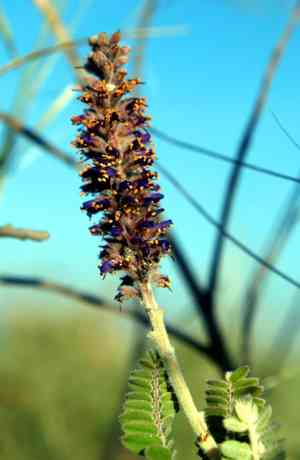
Leadplant is a robust species that flourishes in infertile ground, making it perfect for ecological recovery efforts.
2
Its extensive root network aids in preventing soil degradation and enhancing soil quality.
3
Leadplant sustains a wide variety of fauna, such as pollinators like bees and butterflies.
What Makes Leadplant Unique?
Adaptability to Various Soil Conditions
A key characteristic of Leadplant is its capacity to flourish in poor soil. This resilience makes it highly suitable for restoring degraded lands or areas with compromised soil quality. Its versatility allows it to grow in diverse soil types, including sandy and clay, significantly contributing to its widespread use in ecological restoration.
Deep Root System
Leadplant's extensive root system is another distinguishing feature. This broad network of roots can penetrate dense, compacted soils, effectively preventing soil erosion. Furthermore, these roots enhance soil structure by promoting better water absorption and reducing runoff. This aspect is especially valuable in erosion-prone regions, where Leadplant can stabilize the soil and improve its overall health.
Environmental Benefits of Leadplant
Soil Enrichment
Leadplant plays a vital role in enriching soil. Its roots add organic matter to the soil, boosting its fertility over time. The plant also forms a symbiotic relationship with nitrogen-fixing bacteria, which enriches the soil with essential nutrients. This process not only supports Leadplant's growth but also benefits nearby plants by increasing the soil's nutrient content.
Water Conservation
Water conservation is another significant advantage of Leadplant. Its deep roots can access water far below the surface, reducing the need for frequent irrigation. This trait makes Leadplant an excellent choice for xeriscaping and drought-prone areas where water resources are limited. By improving soil moisture retention, Leadplant can also help maintain a stable microclimate, benefiting local flora and fauna.
Supporting Wildlife
Pollinator Attraction
Leadplant is known to draw in various pollinators, including bees and butterflies. The plant's blossoms offer a crucial nectar source during flowering seasons, supporting the life cycle of these beneficial insects. The presence of such pollinators is essential for maintaining ecological balance and promoting the reproduction of many other plant species.
Habitat for Local Fauna
Beyond attracting pollinators, Leadplant provides an important habitat for diverse local wildlife. Birds, small mammals, and insects find refuge and sustenance within its foliage. This boost in biodiversity is particularly valuable in urban or suburban areas, where natural habitats are increasingly fragmented. By planting Leadplant, communities can create biodiversity pockets that support local ecosystems.
Practical Applications of Leadplant
Landscaping and Garden Uses
Leadplant is beneficial not only for large-scale ecological projects but also for smaller landscaping and garden applications. Due to its hardiness and low maintenance needs, it is well-suited for home gardens, parks, and public spaces. Its ability to endure harsh conditions makes it a reliable option for those seeking to create sustainable and low-upkeep green areas.
Erosion Control
In areas susceptible to erosion, planting Leadplant can be an effective natural solution. Its deep roots anchor the soil, slowing water runoff and preventing soil loss. This application is particularly useful on slopes, riverbanks, and other locations where traditional erosion control methods might be impractical or too costly.
Challenges and Considerations
Competition with Other Plants
While Leadplant offers many advantages, it's important to consider its potential competition with other plants. Its vigorous growth can sometimes overshadow nearby vegetation, so careful placement planning is crucial, especially in mixed planting schemes. Ensuring a balanced ecosystem involves strategically incorporating Leadplant to complement rather than dominate other plant species.
Maintenance Requirements
Although Leadplant is relatively low-maintenance, occasional care is necessary for optimal growth. Regular pruning helps maintain its shape and prevents it from becoming leggy. In the first year after planting, extra watering may be needed to establish a strong root system. Once established, Leadplant can largely thrive on its own, but monitoring and occasional intervention can enhance its longevity and benefits.



