The Low serviceberry Plant Advantage: Maximizing Home and Office Appeal and Wellness
1
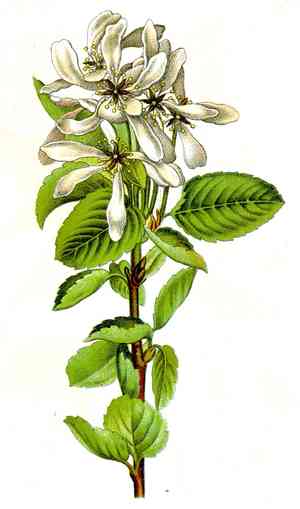
Dwarf serviceberry offers beautiful spring flowers that beautify any garden.
2
The fruit produced by dwarf serviceberry serves as an important food source for animals.
3
Dwarf serviceberry tolerates various soil types, simplifying its cultivation.
What Are the Environmental Advantages of Low serviceberry?
Boosting Biodiversity
Low serviceberry plays a vital role in boosting local biodiversity. This plant offers nectar and pollen for bees and other pollinators during its flowering period. Furthermore, its berries provide sustenance for birds and small mammals, which in turn support larger predatory species. By integrating Low serviceberry into your landscape, you contribute to a healthier, more balanced local ecosystem.
Soil Enhancement
A frequently overlooked benefit of Low serviceberry is its capacity to improve soil quality. The plant's deep root system aids in preventing soil erosion, improving soil structure, and increasing its organic content. This makes Low serviceberry an excellent option for erosion control on slopes and other susceptible areas, providing lasting soil health benefits.
Why Is Low serviceberry a Preferred Garden Choice?
Visual Appeal
Low serviceberry is an aesthetically pleasing plant that can elevate the beauty of any garden with its delicate white blossoms in spring and vibrant autumn foliage. Its compact size makes it suitable for various landscape uses, from border plantings to individual specimens.
Ease of Upkeep
Another reason gardeners appreciate Low serviceberry is its minimal maintenance requirements. This plant is highly adaptable to diverse soil types and pH levels, thriving in conditions from full sun to partial shade. Once established, Low serviceberry is relatively drought-tolerant, reducing the need for frequent watering. These traits make it an excellent choice for both beginner and experienced gardeners.
How Does Low serviceberry Benefit Wildlife?
Food Source for Avian and Mammalian Species
Low serviceberry produces small, palatable berries that are a significant food source for a variety of birds and mammals. Species such as robins, cedar waxwings, and squirrels are frequent visitors to this plant, making it a wildlife magnet. Incorporating Low serviceberry into your landscape offers not only aesthetic beauty but also functional advantages by attracting and supporting local wildlife.
Habitat Provision
Beyond providing sustenance, Low serviceberry also offers crucial habitat components for wildlife. Its dense foliage can serve as nesting sites for birds and shelter for small mammals. By planting Low serviceberry, you create a microhabitat that supports various animal species, fostering a richer, more diverse ecosystem in your garden.
What Are the Practical Applications of Low serviceberry?
Culinary Applications
The berries of Low serviceberry are valuable not only to wildlife but also to humans. They are edible and can be used in various culinary preparations, such as jams, jellies, and baked goods. The fruit is rich in vitamins and antioxidants, making it a nutritious addition to your diet.
Landscape Design Uses
Beyond its ecological and culinary uses, Low serviceberry is increasingly popular in landscape design. Its adaptability to different conditions makes it a versatile choice for urban, suburban, and rural landscapes. Whether used in a naturalistic garden, for hedging, or as a specimen plant, Low serviceberry fulfills various landscaping needs while contributing to biodiversity and soil health.
Why Should You Consider Cultivating Low serviceberry?
Supports Environmental Stewardship
Planting Low serviceberry is a step towards promoting environmental stewardship. Native plants like Low serviceberry require less water and fewer chemical inputs compared to non-native species, making them more environmentally friendly. By choosing Low serviceberry, you are supporting a sustainable gardening practice that benefits the environment.
Financial Advantages
Finally, cultivating Low serviceberry can offer financial advantages. Its low maintenance needs translate to reduced gardening costs over time. The plantâs ability to prevent soil erosion can also save money on soil conservation measures. For those interested in sustainable living, Low serviceberry provides an eco-friendly and cost-effective gardening solution.



