The Love-lies-bleeding Plant Advantage: Maximizing Home and Office Appeal and Wellness
1
Amaranth is recognized for its nourishing seeds and foliage.
2
It finds frequent application in customary culinary preparations across diverse societies.
3
Amaranth possesses decorative appeal owing to its remarkable look.
What Are the Nutritional Benefits of Love-lies-bleeding?
Abundant in Essential Vitamins and Minerals
Love-lies-bleeding is packed with vital vitamins and minerals. Its foliage provides an excellent supply of vitamin C, vitamin A, and various B-complex vitamins, while its seeds are rich in minerals such as calcium, iron, and magnesium. These nutrients collectively support overall health and wellness.
Elevated Protein Content
A significant nutritional advantage of Love-lies-bleeding is its high protein content, making it a valuable component of vegetarian and vegan diets. The seeds are particularly notable for containing all nine essential amino acids, classifying them as a complete protein source.
High in Antioxidants
Both the leaves and seeds of Love-lies-bleeding are rich in antioxidants, compounds that help combat oxidative stress and inflammation within the body. Antioxidants are crucial for maintaining cellular health and can contribute to lowering the risk of chronic illnesses.
How Can Love-lies-bleeding Be Used in Culinary Applications?
Integrating Love-lies-bleeding into Traditional Cuisine
Love-lies-bleeding has been a staple in various traditional culinary practices globally. In South America, the seeds are frequently ground into flour for making bread, porridge, or tortillas. The leaves, similar to spinach, can be sautéed, steamed, or added to soups and stews.
Contemporary Culinary Trends
In modern kitchens, Love-lies-bleeding is valued for its adaptability. The seeds can be popped like popcorn for a crispy snack or used as a topping for salads and yogurt. The distinct texture and mild flavor of the leaves make them an excellent addition to smoothies, quiches, and savory tarts.
What Are the Ornamental Uses of Love-lies-bleeding?
Garden Aesthetic Appeal
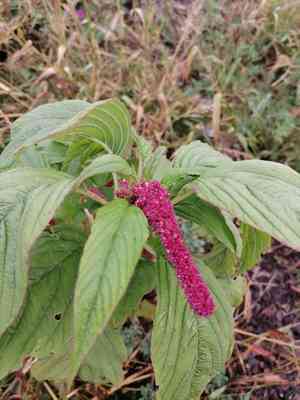
Love-lies-bleeding is celebrated for its striking appearance, featuring long, drooping red or purple flower clusters that add a dramatic touch to any garden. Gardeners value this plant not only for its visual impact but also for its hardiness and ease of cultivation.
Enhancing Landscape Designs
The vibrant, cascading blooms of Love-lies-bleeding make it a popular choice for landscape designs. It can serve as a focal point in flower beds or as an accent plant along borders and pathways. Its ability to thrive in diverse soil types further solidifies its position as a versatile ornamental plant.
How to Grow and Care for Love-lies-bleeding?
Optimal Cultivation Conditions
Love-lies-bleeding thrives in well-drained soil and full sun, though it can tolerate partial shade. It requires moderate watering, with extra attention during dry periods to ensure the soil remains moist. Germination is rapid, typically within a week, making it a relatively simple plant to grow from seeds.
Maintenance Advice
Regular removal of spent flowers can encourage continuous blooming and extend the plant's decorative display. Fertilizing with a balanced, organic fertilizer monthly can support vigorous growth. Additionally, Love-lies-bleeding is generally pest-resistant but should be monitored for common garden pests like aphids and leaf miners.



