The Saint Martin's lily Plant Advantage: Maximizing Home and Office Appeal and Wellness
1
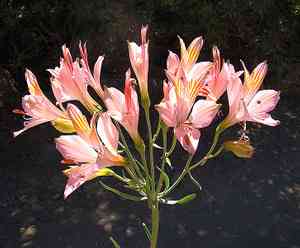
The Saint Martin's lily produces blossoms in numerous vivid hues, beautifying any garden space.
2
This resilient flora requires minimal upkeep and is simple to cultivate.
3
Saint Martin's lily is recognized for its durable blooms, making it a preferred choice for floral arrangements.
What Makes Saint Martin's lily So Special?
Vibrant and Diverse Blooms
Saint Martin's lily is prized for its impressive range of flowers that appear in numerous hues, including pink, yellow, orange, red, and purple. Each blossom displays intricate patterns and markings, adding an exotic touch to any garden. This color variety makes it a superb choice for gardeners aiming to introduce visual interest and diversity into their floral displays.
Long-Lasting and Abundant Blooms
A key characteristic of Saint Martin's lily is its capacity to produce a profusion of flowers that endure for an extended duration. Each bloom can stay vibrant for up to two weeks, making them an excellent option for cut flower arrangements and decorations. This longevity not only boosts the garden's aesthetic appeal but also lessens the need for frequent replanting and upkeep.
Caring for Saint Martin's lily: Simple and Rewarding
Ideal Growing Conditions
Saint Martin's lily thrives in well-drained soil and prefers a sunny or partially shaded spot. While quite resilient, it benefits from consistent watering, especially during dry periods. Applying organic mulch around the plant's base can help retain moisture and suppress weed growth, leading to healthier and more robust blooms.
Minimal Maintenance Requirements
A primary reason gardeners love Saint Martin's lily is its low-maintenance nature. Once established, it demands minimal care, making it an excellent choice for both new and experienced gardeners. Occasional removal of spent flowers can encourage new blooms, and dividing the plant every few years can prevent overcrowding and ensure vigorous growth.
Ecological Benefits of Growing Saint Martin's lily
Attracting Pollinators
Saint Martin's lily is known to draw various pollinators, such as bees and butterflies, contributing to a healthier and more balanced ecosystem. By cultivating Saint Martin's lily in your garden, you can support local wildlife and foster biodiversity, making your garden not only beautiful but also environmentally beneficial.
Soil Health and Erosion Control
The strong root system of Saint Martin's lily helps improve soil structure and prevent erosion, particularly in areas prone to soil degradation. By enhancing soil health and stability, Saint Martin's lily contributes to your garden's overall sustainability, reducing the need for chemical fertilizers and interventions.
Enhancing Your Garden Design with Saint Martin's lily
Versatile Landscaping Options
The diverse color palette and adaptable growth habits of Saint Martin's lily make it a versatile option for various landscaping designs. Whether used as a focal point in flower beds, a colorful border, or an accent in rock gardens, Saint Martin's lily can seamlessly integrate into different styles and themes, enhancing your garden's overall aesthetic appeal.
Complementing Other Plants
Saint Martin's lily pairs well with a wide array of other plants, allowing you to create harmonious and visually captivating garden compositions. Its vibrant blooms can provide a striking contrast to green foliage plants or complement other flowering species, creating a balanced and enchanting garden space.



