The Tiger tooth aloe Plant Advantage: Maximizing Home and Office Appeal and Wellness
1
Tiger tooth aloe is recognized for its small stature, making it well-suited for confined areas and indoor cultivation.
2
This resilient plant flourishes with little attention, making it suitable for both new and seasoned plant enthusiasts.
3
Tiger tooth aloe provides visual charm with its distinctive serrated foliage, enhancing any plant assortment.
What Makes Tiger tooth aloe Unique?
Distinctive Appearance
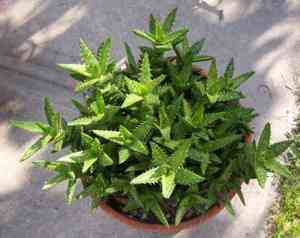
Tiger tooth aloe is easily identified by its triangular, serrated leaves arranged in rosettes. These leaves, often marked with white spots or stripes, give the plant its 'tiger tooth' moniker. This striking look not only adds visual appeal but also makes it a focal point in any garden or indoor setting.
Compact Size
A key attractive feature of Tiger tooth aloe is its modest dimensions. Reaching up to 12 inches in height, it's perfect for confined areas, window ledges, or as part of a larger succulent display. Its manageable stature makes it an excellent option for city dwellers and those seeking greenery without overwhelming their space.
Hardiness and Low Maintenance
Tiger tooth aloe is renowned for its robust nature, making it exceptionally easy to care for. It flourishes in various conditions, from full sun to partial shade, and needs minimal watering. This resilience and simplicity of care make it an ideal plant for novices and busy individuals who may lack a green thumb.
How to Care for Tiger tooth aloe?
Light Requirements
Tiger tooth aloe prefers bright, indirect light but can endure direct sun for a few hours daily. Positioning it near a window with ample light ensures optimal development. However, it's vital to prevent prolonged exposure to intense midday sun, which can scorch its foliage.
Watering Needs
As a succulent, Tiger tooth aloe is drought-resistant and requires infrequent watering. Water thoroughly once the soil is completely dry, typically every 2-3 weeks. Over-watering should be avoided as it can lead to root rot. Using well-draining soil and pots with drainage holes can help prevent this issue.
Temperature and Humidity
Tiger tooth aloe thrives in warm temperatures and low humidity, mirroring its natural desert habitat. It prefers temperatures between 60-80°F (15-27°C). During winter, it can tolerate cooler temperatures but should be kept away from frost and cold drafts.
What Are the Benefits of Growing Tiger tooth aloe?
Aesthetic Appeal
The distinctive and striking appearance of Tiger tooth aloe makes it a beautiful addition to any plant collection. Whether used as a standalone piece or part of a larger arrangement, it adds texture, color, and visual interest. Its unique look can complement various interior styles, from modern to rustic.
Air Purification
Like many other succulents, Tiger tooth aloe possesses air-purifying qualities. It aids in filtering toxins and enhancing indoor air quality, contributing to a healthier living environment. This makes it not only a beautiful but also a beneficial plant to have in your home.
Mental Wellbeing
Caring for plants like Tiger tooth aloe has been linked to improved mental wellbeing. The act of nurturing a plant and observing its growth can reduce stress, boost feelings of accomplishment, and foster a sense of tranquility. Adding Tiger tooth aloe to your indoor garden can enhance your overall mental health and wellbeing.
Frequently Asked Questions about Tiger tooth aloe
Can Tiger tooth aloe be Grown Indoors?
Absolutely! Tiger tooth aloe is an excellent indoor plant. Its compact size and low maintenance needs make it ideal for indoor environments. Just ensure it receives adequate light and proper watering to thrive.
How Often Should I Repot Tiger tooth aloe?
Tiger tooth aloe grows relatively slowly and doesn't require frequent repotting. Typically, repotting every 2-3 years is sufficient. Choose a slightly larger pot with good drainage and refresh the soil to provide it with a fresh growing medium.
Is Tiger tooth aloe Safe for Pets?
While Tiger tooth aloe is generally not toxic to pets, it's always best to keep plants out of reach of curious pets to avoid any potential issues. If you notice any signs of discomfort in your pets after they've interacted with the plant, consult a veterinarian.



