The Hazel alder Plant Advantage: Maximizing Home and Office Appeal and Wellness
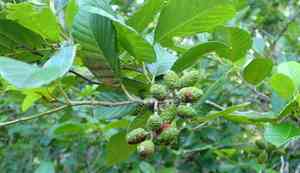
1
Hazel alder is a great choice for securing riverbanks and stopping soil from washing away.
2
This plant improves soil quality by adding nitrogen, which is very good for farming.
3
Hazel alder provides a home and food for many different kinds of animals.
How Does Hazel alder Improve Soil Quality?
Erosion Prevention
A key advantage of Hazel alder is its capacity to prevent soil erosion. Its extensive root system anchors the soil, making it perfect for stabilizing riverbanks, sloped areas, and other susceptible locations. By minimizing soil loss, Hazel alder helps preserve the landscape's integrity, preventing the depletion of valuable topsoil and the deterioration of water quality downstream.
Nitrogen Enrichment
Hazel alder forms a unique partnership with nitrogen-fixing bacteria. These bacteria convert atmospheric nitrogen into forms plants can readily absorb. This natural fertilization process enriches the soil, lessening the need for artificial fertilizers and encouraging the growth of other plant species. Consequently, integrating Hazel alder into farming systems can boost crop yields and enhance soil fertility sustainably.
What Are the Environmental Advantages of Hazel alder?
Wildlife Sanctuary
Hazel alder plays a vital role in supporting local biodiversity. The plant offers shelter and sustenance for various wildlife, including birds, insects, and small mammals. During its blooming and fruiting phases, Hazel alder attracts pollinators like bees and butterflies, aiding in the pollination of nearby flora. Its dense foliage also provides cover and nesting sites, contributing to a flourishing ecosystem.
Supporting Aquatic Ecosystems
Beyond its land-based benefits, Hazel alder positively affects aquatic environments. When planted along waterways and wetlands, it helps filter sediments and pollutants from runoff before they reach water bodies. This leads to cleaner water and healthier aquatic ecosystems, benefiting fish and other aquatic organisms.
How Can Hazel alder Enhance Your Outdoor Space?
Visual Appeal
Hazel alder is not only practical but also aesthetically pleasing. Its vibrant green leaves and attractive blossoms can elevate the beauty of any landscape. Whether incorporated into naturalized garden designs, as part of a riparian buffer, or in urban green areas, Hazel alder adds a touch of natural grace. Its ability to thrive in diverse soil types and conditions makes it a versatile option for gardeners and landscape designers.
Minimal Upkeep Needs
Another benefit of Hazel alder is its low maintenance requirements. Once established, the plant is quite resilient and can withstand various environmental conditions, including drought and temporary flooding. This hardiness makes it an excellent choice for gardeners seeking a low-effort option that still delivers significant ecological and aesthetic advantages.
How Is Hazel alder Used in Restoration Initiatives?
Reforestation and Riparian Buffer Zones
Given its ability to improve soil quality and provide habitat, Hazel alder is frequently employed in reforestation and riparian buffer zone projects. These efforts aim to restore degraded landscapes, boost biodiversity, and safeguard water quality. Hazel alder's rapid growth and adaptability make it an ideal candidate for these restoration endeavors, ensuring quicker establishment and greater overall success.
Improving Watershed Health
By contributing to watershed health, Hazel alder helps maintain the hydrological balance within an ecosystem. It can reduce runoff and increase groundwater absorption, mitigating the effects of heavy rainfall and lowering flood risks. Seasonal changes in the plant's growth cycle also facilitate the gradual release of moisture into the ecosystem, supporting a stable and healthy watershed year-round.



