The Red alder Plant Advantage: Maximizing Home and Office Appeal and Wellness
1
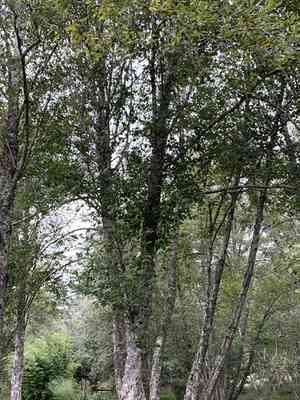
Red alder is recognized for its natural ability to enrich soil.
2
It serves a vital function in stopping soil degradation.
3
Red alder provides excellent living spaces for animals, boosting ecological variety.
How Does Red alder Enhance Soil Fertility?
Nitrogen Fixation
Red alder possesses the unique capability to fix atmospheric nitrogen through its symbiotic association with soil bacteria. This process enriches the soil, supplying vital nutrients that foster robust plant development. Unlike artificial fertilizers, this natural method improves soil health sustainably, allowing your garden to flourish without harmful chemicals.
Organic Matter Contribution
Red alder sheds a considerable amount of leaf litter, which decomposes to form rich organic matter in the soil. This improves soil structure, water retention, and nutrient availability, creating an optimal environment for other plants to thrive. This process not only boosts productivity but also promotes a healthier ecosystem.
What Role Does Red alder Play in Preventing Erosion?
Root System Strength
The extensive and vigorous root system of Red alder is highly effective at binding soil particles together. This structural integrity minimizes soil erosion, especially in areas prone to landslides or heavy rainfall. By planting Red alder, you can safeguard your landscape from erosion-related damage while preserving its natural beauty.
Slope Stabilization
Beyond preventing general soil erosion, Red alder is particularly beneficial for stabilizing slopes. Its roots help anchor the soil on hillsides and embankments, significantly reducing the risk of landslides. Consequently, Red alder is often utilized in reforestation and land reclamation projects to restore and preserve fragile landscapes.
How Does Red alder Support Local Wildlife?
Habitat and Food Source
Red alder provides sustenance and shelter for a diverse array of wildlife. Its seeds, leaves, and bark serve as nourishment for various birds, insects, and mammals, fostering a vibrant ecosystem. Additionally, the dense foliage offers excellent cover, making it a preferred nesting site for birds and other small animals.
Biodiversity Enhancement
By introducing Red alder into your garden or landscape, you can significantly boost biodiversity. This plant supports various species, promoting a balanced and robust ecosystem. Greater biodiversity not only enriches the natural environment but also contributes to its resilience against pests and diseases.
How Can You Integrate Red alder Into Your Garden Design?
Landscaping Uses
Red alder can be a visually appealing addition to your garden. Its attractive foliage and distinctive shapes can enhance aesthetic appeal. Whether used as a standalone specimen or part of a mixed planting scheme, Red alder brings both beauty and functionality to your landscape design.
Companion Planting
Due to its beneficial characteristics, Red alder makes an excellent companion plant. It can be grown alongside other species to improve soil conditions and support the overall health of your garden. Companion planting with Red alder can lead to more robust and productive plant communities.
The Environmental Impact of Red alder
Carbon Sequestration
Red alder plays a crucial role in carbon sequestration, helping to mitigate climate change. By absorbing carbon dioxide and storing it within its biomass, Red alder reduces the amount of greenhouse gases in the atmosphere. Planting Red alder is a practical step towards a more sustainable and climate-resilient environment.
Water Quality Improvement
Red alder also contributes to enhanced water quality. Its root system helps filter pollutants and sediments from water bodies, maintaining cleaner waterways and healthier aquatic ecosystems. This function is particularly valuable in areas near streams, rivers, and wetlands.



