The Black alder Plant Advantage: Maximizing Home and Office Appeal and Wellness
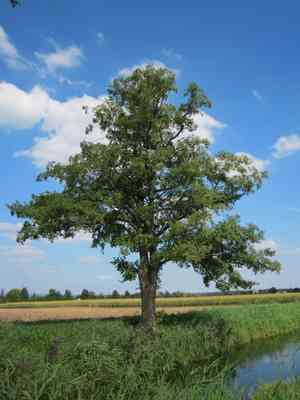
1
Black alder significantly enhances soil richness by fixing nitrogen.
2
This tree flourishes in saturated soil environments where other species falter.
3
Black alder offers sustenance and shelter to diverse animal life, benefiting local wildlife.
How Does Black alder Enhance Soil Fertility?
Nitrogen Fixation Capabilities
Black alder is well-known for its impressive capacity to fix nitrogen. This plant forms a cooperative relationship with specific bacteria in its root nodules, converting atmospheric nitrogen into forms plants can utilize. This not only boosts the soil's nutrient content but also encourages the growth of nearby plants, making it a valuable asset in soil rehabilitation projects.
Organic Material Contribution
Furthermore, Black alder adds substantial amounts of organic matter through its fallen leaves. As leaves drop and decompose, they return vital organic material and nutrients to the soil. This aids in developing a rich, fertile soil layer, fostering increased agricultural output and an improved ecosystem.
What Makes Black alder Suitable for Wetland Environments?
Adaptability to Saturated Conditions
A key characteristic of Black alder is its capacity to flourish in waterlogged and marshy environments. Unlike many other tree species that struggle in such settings, Black alder has adapted to these conditions, making it an excellent option for wetland restoration and management efforts.
Erosion Prevention
Additionally, Black alder is effective at preventing erosion. Its extensive root system stabilizes the ground and reinforces riverbanks, lowering the risk of flooding and soil washout. This trait makes it indispensable for preserving the structural integrity of wetland ecosystems.
Why Is Black alder Significant for Biodiversity?
Wildlife Habitat
The dense foliage and structure of Black alder offer crucial habitat for diverse wildlife. Birds, insects, and small mammals find shelter and nesting sites within its branches and leaves. This promotes biodiversity and supports the food web within the ecosystems it inhabits.
Food Source
Moreover, Black alder produces cones and seeds that serve as a food source for various animals. As these seeds fall to the ground, they become readily available to wildlife, thereby maintaining ecological balance and contributing to the habitat's sustainability.
How Does Black alder Contribute to Ecosystem Stability?
Supporting Other Plant Species
One fascinating aspect of Black alder is its role in aiding other plant species. Due to its nitrogen-fixing abilities, it enriches the soil, allowing a variety of flora to thrive. This interconnected support system leads to more stable and resilient ecosystems.
Climate Change Mitigation
In addition to these advantages, Black alder also plays a part in mitigating climate change. By absorbing carbon dioxide during photosynthesis, it helps reduce greenhouse gases in the atmosphere. This mitigating action is vital in the global effort to combat climate change and highlights the ecological importance of preserving Black alder.



