The Ramson Plant Advantage: Maximizing Home and Office Appeal and Wellness
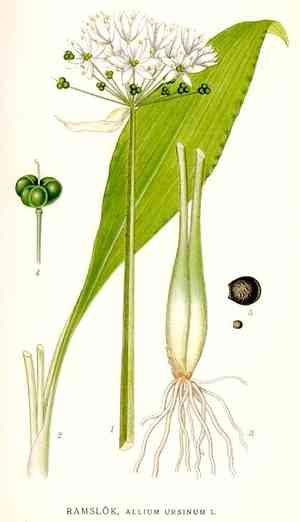
1
Abundant in vitamins A and C, supporting general health.
2
Possesses antioxidants which aid in safeguarding cells from harm.
3
Adaptable for culinary use, improving diverse meals with its unique taste.
What Nutrients Does Ramson Offer?
Vitamins and Minerals
Ramson is a plant rich in vital nutrients, packed with essential vitamins and minerals. It contains high levels of vitamins A and C, both crucial for overall well-being. Vitamin A aids vision and immune function, while vitamin C acts as a potent antioxidant, boosting the body's defenses. Additionally, Ramson provides key minerals like iron and magnesium, which are vital for bodily processes.
Antioxidants
Antioxidants are crucial for shielding body cells from oxidative stress and free radical damage. Ramson is abundant in antioxidants that help neutralize these harmful molecules, thus lowering the risk of chronic illnesses and promoting general health. Its high antioxidant content also supports skin vitality, helping maintain a youthful and glowing complexion.
How Can Ramson Enhance Your Culinary Creations?
Flavor Profile
Ramson provides a distinct and strong flavor that can elevate various dishes. Its taste is a blend of garlic and chives, making it a superb addition to many recipes. Whether you're preparing a salad, soup, or main course, adding Ramson can bring a delightful twist to your meals.
Versatile Use
Ramson's adaptability in the kitchen is one of its most attractive qualities. It can be used fresh in salads, blended into pesto, or cooked into savory meals. Both the leaves and stems are edible, offering a consistent flavor throughout the plant. For those who enjoy culinary experimentation, Ramson presents numerous opportunities to enhance both the taste and nutritional value of your dishes.
Are There Environmental Benefits to Cultivating Ramson?
Sustainability
Ramson is not only good for personal health but also supports ecological sustainability. It requires minimal resources to grow and is often found in the wild, thriving in damp, deciduous woodlands. Its natural growth can boost biodiversity, supporting various wildlife and maintaining ecological balance.
Gardening and Maintenance
Growing Ramson in home gardens can be very rewarding. It is relatively low-maintenance and can flourish in shaded areas, making it an excellent choice for gardeners seeking to add a perennial plant to their collection. Furthermore, cultivating Ramson can lessen the need for commercial herb production, reducing the environmental impact linked to transportation and packaging.
How to Incorporate Ramson into Your Daily Routine?
Daily Diet
Adding Ramson to your daily diet can be simple and enjoyable. Begin by incorporating fresh leaves into salads or using them as a garnish for soups and stews. You can also create delicious pestos or smoothies, blending Ramson with other greens and ingredients to boost flavor and nutritional value.
Storage Tips
To maximize Ramson's freshness, store it in a cool, dark place. Fresh leaves can be kept in the refrigerator for several days, or you can preserve their flavor by making herb-infused oils or freezing them for later use. Drying the leaves is another excellent option, allowing you to enjoy Ramson's benefits throughout the year.



