The Chives Plant Advantage: Maximizing Home and Office Appeal and Wellness
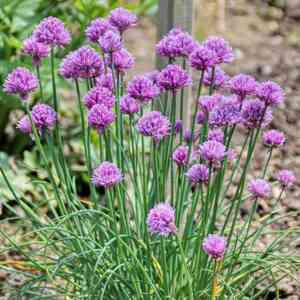
1
Chives offers a rich array of vital vitamins and minerals, contributing to a nutritious diet.
2
Chives naturally deters pests, proving advantageous for garden cultivation.
3
Chives serves as a adaptable herb, elevating the taste profile of numerous culinary creations.
What Nutritional Value Does Chives Provide?
Abundant in Essential Vitamins and Minerals
Chives is a herb rich in nutrients, loaded with vitamins like A, C, K, and B-complex. These vitamins contribute to overall well-being by bolstering immune system function, vision health, blood clotting processes, and tissue regeneration. Furthermore, Chives contains minerals such as calcium, potassium, and iron, vital for strong bones, maintaining fluid balance, and facilitating oxygen transport.
Antioxidant Richness
Chives boasts a high content of antioxidants, specifically flavonoids and sulfur compounds. These powerful antioxidants neutralize damaging free radicals within the body, potentially lowering the risk of chronic illnesses and combating cellular oxidative stress. Incorporating Chives into your diet can thus foster a more robust lifestyle.
How Can Chives Improve Your Culinary Experiences?
Flavorful Addition to Dishes
With its delicate onion-like taste, Chives serves as an excellent herb for elevating the flavor of various meals. It complements eggs, soups, salads, and seafood wonderfully, imparting a subtle yet distinct taste without overpowering other components. A sprinkle of freshly chopped Chives over finished dishes can take your cooking to new levels.
Versatile Cooking Ingredient
Chives can be utilized in several forms, including fresh, dehydrated, or even as an infused oil. This adaptability makes it a valuable asset in any kitchen. Fresh Chives is perfect for garnishing and providing a burst of flavor at the final moment, while dried Chives can be blended into spice mixes and incorporated into cooked recipes.
What Are the Advantages of Cultivating Chives in Your Garden?
Natural Pest Repellent
One unexpected perk of growing Chives in your garden is its ability to deter pests. The sulfur compounds present in Chives act as a natural defense against numerous harmful insects, including aphids and Japanese beetles. Planting Chives near other garden plants can create a protective barrier, lessening the need for chemical pesticides.
Effortless to Grow and Maintain
Chives is a resilient herb requiring minimal upkeep, making it perfect for both beginner and seasoned gardeners. It thrives in well-draining soil and prefers full sunlight, though it can tolerate partial shade. Consistent watering and occasional fertilization are sufficient to keep Chives flourishing, ensuring a continuous supply of fresh herbs throughout the growing period.
How to Store Chives for Future Use?
Freezing Chives
Chives can be easily preserved for future use by freezing. Simply wash and finely chop the Chives, then place the pieces into a freezer-safe bag or container. Frozen Chives retains much of its flavor and can be added directly to cooked dishes without requiring thawing.
Drying and Storage
Drying is another effective method for preserving Chives. Utilize a dehydrator or an oven set to a low temperature to remove moisture from the chopped herbs. Once dry, store the Chives in an airtight container in a cool, dark location. Dried Chives is ideal for adding to spice blends and recipes that require longer cooking times.



