The Giant onion Plant Advantage: Maximizing Home and Office Appeal and Wellness
1
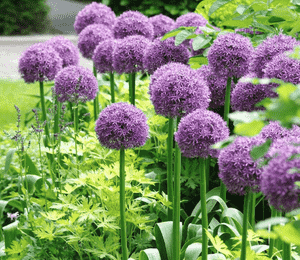
This large allium can grow as tall as 5 feet, providing a dramatic focal point in gardens.
2
Its prominent, globe-shaped, violet blooms are a magnet for pollinators like bees and butterflies.
3
Giant onion is low-maintenance, preferring sunny spots and soil that drains effectively.
What Are the Aesthetic Benefits of Giant onion?
A Visual Delight
Giant onion is celebrated for its striking visual appeal. It produces large, spherical blooms, up to six inches across. These purple blossoms sit atop tall, robust stalks, reaching five feet, making them a garden highlight. Their distinct look adds a unique architectural element, providing both height and texture.
Attracts Pollinators
Another key aesthetic advantage of Giant onion is its ability to draw in pollinators like bees and butterflies. The large, vibrant blooms are not only appealing to people but also highly attractive to these insects. This aids in the plant's reproduction and supports the local ecosystem by fostering biodiversity.
How Does Giant onion Enhance Garden Health?
Improves Soil Quality
Giant onion effectively enhances soil quality. Its extensive root system helps aerate the soil, promoting better water absorption and nutrient uptake. By adding this plant to your garden, you can improve overall soil health over time, making it more fertile for other plants.
Low Maintenance Requirements
A significant benefit of Giant onion is its minimal upkeep. Once established, it needs little care. The plant thrives in well-drained soil and full sun, making it ideal for gardeners seeking a low-effort, high-impact addition. Regular watering and occasional feeding are usually enough to keep it flourishing.
What Are the Practical Applications of Giant onion?
Versatile Landscaping Uses
Giant onion is incredibly versatile for various landscape designs. Whether you aim to create a garden focal point or line pathways, Giant onion is an excellent choice. Its tall, sturdy stems suit border plantings, while its vibrant blooms can be a captivating centerpiece in garden beds.
Effective Deer and Pest Deterrent
Gardens often face issues with deer and other pests. Interestingly, Giant onion acts as a natural deterrent to these intruders. The plant contains compounds unappealing to deer and common pests, making it a practical way to protect your garden without chemical repellents.
Can Giant onion Be Used in Floral Arrangements?
Long-Lasting Cut Flowers
Giant onion is an excellent choice for floral arrangements. Its flower heads retain their structure and color for an extended period, suitable for both fresh and dried displays. This longevity ensures that bouquets and arrangements featuring Giant onion remain attractive for a long time.
Adds Texture and Height
The tall stems and large flower heads of Giant onion add texture and height to floral arrangements. Their unique structure and striking color make them a favorite among florists and garden enthusiasts. Incorporating Giant onion into your floral designs ensures a dynamic and visually engaging display.
Why Should You Consider Growing Giant onion in Your Garden?
Climate Adaptability
Giant onion is highly adaptable to diverse climatic conditions. It tolerates both hot summers and cold winters, making it a resilient choice for various regions. This adaptability ensures gardeners from different geographic locations can enjoy its benefits.
Boosts Garden Biodiversity
Adding Giant onion to your garden increases biodiversity. By attracting pollinators and supporting the local ecosystem, the plant enhances the ecological balance in your garden. This, in turn, creates a healthier and more vibrant garden environment.



