The Chocolate vine Plant Advantage: Maximizing Home and Office Appeal and Wellness
1
Rapidly growing climber valued for its decorative features.
2
Yields fruit and leaves possessing distinct, attractive qualities.
3
Serves various purposes in horticulture and landscape design for upright areas.
What is Akebia quinata and Why is it Unique?
A Key Contributor to Upright Garden Design
Akebia quinata is an outstanding plant for occupying vertical areas in gardens. Its vigorous development and climbing habit make it ideal for covering walls, trellises, and arbors effectively. It not only conserves space but also imparts an elegant touch with its abundant, verdant foliage.
Distinctive Visual Charm
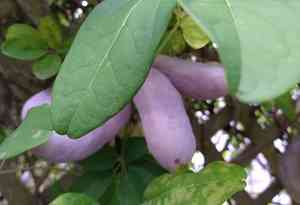
The plant is characterized by its unusual blossoms and striking fruit. Typically, the flowers emerge in clusters, offering a delightful fragrance that can enhance the sensory experience of any garden. The fruits, often described as resembling small sausages, add an additional layer of visual interest that captivates observers.
Practical Advantages of Akebia quinata
Soil Erosion Prevention
The dense foliage and extensive root system of Akebia quinata make it an excellent candidate for controlling soil erosion. By planting it on inclines or in areas prone to erosion, the plant helps stabilize the earth, limiting runoff and preserving landscape integrity.
Shade and Seclusion
For those aiming to establish natural privacy screens or shaded retreats, Akebia quinata is a superb option. As it ascends and spreads, it forms a thick, green barrier capable of obscuring undesirable views and providing a shaded spot perfect for unwinding.
How to Grow Akebia quinata
Optimal Cultivation Conditions
Akebia quinata flourishes in well-drained soil with moderate moisture. It prefers partial to full sun exposure, making it adaptable to various garden configurations. Incorporating organic matter into the planting site can enhance its growth and vitality.
Care Recommendations
Although relatively low-maintenance, Akebia quinata benefits from occasional trimming to encourage denser growth and manage its spread. Regular irrigation, especially during dry spells, helps maintain its lush appearance. Mulching around the base can also assist in moisture retention.
Uses of Akebia quinata in Landscape Design
Creating Upright Gardens
Akebia quinata is a popular choice for vertical gardens due to its climbing nature. It's frequently used to soften the appearance of fences, walls, or unattractive structures, creating a greener, more inviting environment. With proper support, it can grow upwards, covering large areas efficiently.
Aesthetic Combinations
To enhance its visual appeal, consider pairing Akebia quinata with other plants that complement its foliage and flowers. Combining it with ground covers, shrubs, and other climbing plants can create a lush, multi-layered look in your garden.
Wildlife Attraction
Supporting Local Biodiversity
Akebia quinata can be a boon for local wildlife, providing habitat and sustenance for various insects and birds. Its flowers attract pollinators like bees and butterflies, while the dense foliage offers shelter for small animals, contributing to a balanced ecosystem.
Drawing in Birds and Butterflies
The presence of Akebia quinata can transform your garden into a sanctuary for birdwatchers and butterfly enthusiasts. The nectar-rich flowers and fruits attract a variety of species, adding vitality and movement to your garden space.



