The Anise hyssop Plant Advantage: Maximizing Home and Office Appeal and Wellness
1
Anise hyssop draws in helpful pollinators such as bees and butterflies.
2
This adaptable herb finds use in both cooking and scent-related purposes.
3
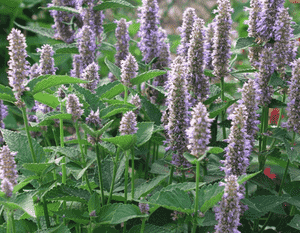
Anise hyssop is recognized for its pleasant aroma and attractive purple blooms.
Why Anise Hyssop is a Garden Essential
Pollinator Magnet
Anise hyssop excels at drawing in helpful insects, like bees and butterflies, crucial for plant fertilization. Its vivid purple blooms act as a beacon for these creatures, transforming your garden into a lively hub. This not only aids Anise hyssop's own pollination but also benefits other plants, fostering a healthier garden environment.
Effortless Upkeep
A key advantage of Anise hyssop is its minimal care requirements. This plant tolerates drought and thrives in diverse soil types, making it perfect for gardens with varied conditions. Once rooted, it needs little watering and attention, freeing you to focus on other gardening tasks or simply enjoy your outdoor space.
How Anise Hyssop Can Elevate Your Cooking
Flavorful Herb
Anise hyssop leaves offer a licorice-like taste, making them a distinctive addition to many dishes. You can use them to flavor teas, salads, soups, and even baked goods. The leaves can be utilized fresh or dried, providing culinary flexibility. Its unique flavor profile can transform ordinary meals into gourmet delights.
Edible Blooms
Beyond its tasty leaves, Anise hyssop's flowers are edible and can serve as a garnish to add a decorative touch to your culinary creations. The bright purple blossoms can be added to salads, frozen into ice cubes for visual flair, or used to adorn cakes and pastries.
Anise Hyssop's Contribution to Overall Wellness
Aromatherapy Benefits
Anise hyssop is highly valued for its fragrant qualities. The pleasant scent of its leaves and flowers can induce a calming effect, making it a popular choice for aromatherapy. You can crush the leaves and inhale the aroma or use the plant to create homemade potpourri, enhancing your living spaces' atmosphere.
Natural Pest Deterrent
In addition to attracting beneficial insects, Anise hyssop also functions as a natural insect repellent. Its strong scent can help ward off pests such as mosquitoes, making it a practical addition to outdoor seating areas and gardens. This dual role of attracting helpful pollinators while repelling pests makes Anise hyssop an invaluable plant for any gardener.
Cultivating and Caring for Anise Hyssop in Your Garden
Planting Advice
When planting Anise hyssop, select a sunny spot with well-draining soil for optimal growth. Seedlings can be started indoors and moved outside after the last frost, or sow seeds directly into the ground in late spring. Space plants about 18 inches apart to allow for proper air circulation and development.
Ongoing Maintenance
Once established, Anise hyssop requires minimal care. Water plants regularly until they are well-rooted, then reduce watering to once a week, or less in cooler climates. Pruning can encourage bushier growth and extend the blooming period. Remove spent flowers to keep the plant tidy and prevent self-seeding.
Integrating Anise Hyssop into Your Landscape Design
Companion Planting
Anise hyssop serves well as a companion plant in your garden. Its presence can boost the growth and health of other plants by attracting pollinators and deterring harmful pests. Consider planting it alongside vegetables, fruits, and other herbs to foster a beneficial garden ecosystem.
Visual Appeal
The striking purple flowers and lush green foliage of Anise hyssop enhance any garden's visual charm. Use it as a border plant, in herb gardens, or as an accent in mixed flower beds. Anise hyssop's adaptability allows it to blend seamlessly into various garden styles, from formal designs to more natural, cottage garden aesthetics.



