The Yellow Buckeye Plant Advantage: Maximizing Home and Office Appeal and Wellness
1
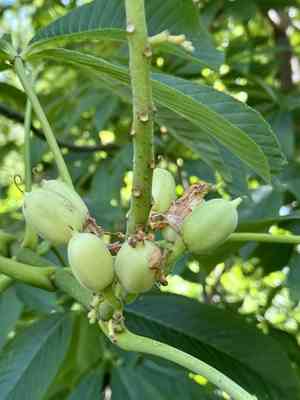
Originating from the eastern U.S., the Yellow Buckeye is highly valued for its attractive leaves.
2
Its seeds are frequently incorporated into different crafts and customary uses.
3
This tree is recognized for its resilience and ability to flourish in diverse soil types.
What Makes Yellow Buckeye Unique?
Beautiful Foliage
Yellow Buckeye is known for its stunning leaves, which change from vibrant green in spring and summer to brilliant yellows and oranges in autumn. Its visual appeal makes it a preferred option for landscaping.
Distinctive Seeds
The seeds of Yellow Buckeye are notable for both their look and utility. Historically, these seeds have been fashioned into various domestic items and utilized in traditional customs. Their smooth, glossy surface and rich hue make them a sought-after natural material.
Ecological Importance of Yellow Buckeye
Wildlife Habitat
Yellow Buckeye offers crucial shelter for diverse animal species. Birds, squirrels, and other creatures depend on the tree for refuge and sustenance. Its blossoms are a vital nectar source for pollinators, including bees and butterflies.
Soil Stabilization
Yellow Buckeye is key in stabilizing soil. Its root system helps prevent erosion, making it a valuable tree for planting in areas prone to soil degradation. This fosters healthier ecosystems and boosts biodiversity.
Yellow Buckeye's Role in Landscaping
Aesthetic Value
The striking appearance of Yellow Buckeye makes it a popular choice for landscape design. Its towering presence and colorful foliage add depth and interest to gardens, parks, and public areas.
Shade Provider
Yellow Buckeye is an excellent shade tree, offering relief from summer heat. Its wide canopy provides a cool, pleasant spot for outdoor activities, making it a favorite for planting along streets and in yards.
How to Grow and Care for Yellow Buckeye
Planting Conditions
Yellow Buckeye thrives in well-drained, fertile soil but can adapt to less ideal conditions. It prefers full sun to partial shade and benefits from being planted where it has ample room to grow.
Maintenance Tips
Consistent watering, especially during dry periods, helps Yellow Buckeye stay healthy. Pruning is vital for removing dead or diseased branches and encouraging strong growth. Mulching around the base can help retain moisture and protect the roots.
Economic and Cultural Significance of Yellow Buckeye
Crafts and Traditions
Yellow Buckeye has a long history of use in various crafts and traditional practices. Its seeds and wood have been crafted into everything from jewelry to small household items, showcasing its versatility.
Contribution to Local Economies
The cultivation and sale of Yellow Buckeye support local economies, particularly in regions where the tree is native. Its ornamental value and practical uses create demand, aiding nurseries and craft industries.
Environmental Benefits of Yellow Buckeye
Carbon Sequestration
Yellow Buckeye plays a significant role in absorbing carbon dioxide, helping to mitigate climate change. Its ability to capture and store carbon makes it an important tree for environmental conservation efforts.
Air Quality Improvement
Beyond carbon sequestration, Yellow Buckeye enhances air quality by filtering pollutants from the air. Planting Yellow Buckeye in urban areas can significantly reduce air pollution, contributing to healthier communities.



