The Mountain maple Plant Advantage: Maximizing Home and Office Appeal and Wellness
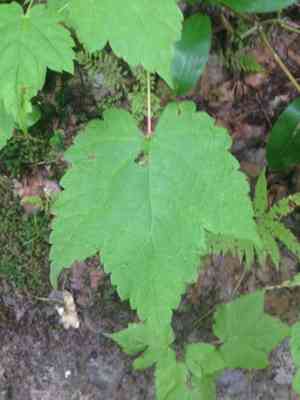
1
Offers crucial living space for animals within its native region.
2
Its leaves contribute visual appeal to outdoor spaces and scenery.
3
Capable of flourishing in varied environmental settings, boosting ecological variety.
What Are the Ecological Benefits of Mountain maple?
Supports Diverse Wildlife
Mountain maple acts as a vital part of its native environment, providing shelter and sustenance to various animal species. Birds and small mammals frequently utilize this plant for cover and nesting, while its fruits offer a food source for numerous creatures. The presence of Mountain maple enriches local animal life, fostering a supportive setting for different organisms to flourish.
Contributes to Soil Health
The root systems of Mountain maple are crucial for maintaining soil stability and vitality. These roots help prevent soil erosion by binding the soil, a critical function in sloped areas and regions prone to washout. Additionally, Mountain maple aids the nutrient cycle by shedding leaves that decompose and enrich the soil with organic matter.
Promotes Biodiversity
In areas where Mountain maple is found, it often grows alongside a variety of other plant species, forming a diverse botanical community. This biological diversity is essential for sustaining ecosystem resilience and function, as it allows for better adaptation to changing environmental conditions and supports a broader range of species.
How Does Mountain maple Enhance Garden and Landscape Aesthetics?
Adds Visual Appeal
With its distinct foliage and seasonal color shifts, Mountain maple can significantly enhance the visual charm of gardens and outdoor spaces. Its vibrant autumn hues, in particular, can create striking visual contrasts that improve the overall beauty of exterior areas.
Versatile for Landscaping
Mountain maple is remarkably adaptable for landscaping purposes. It can be used as a standalone decorative plant, part of a mixed shrub border, or even as a natural screen or hedge. Its flexibility in various garden designs makes it a popular choice among landscapers and gardeners aiming to create visually dynamic and attractive spaces.
Low Maintenance Requirements
A significant advantage of incorporating Mountain maple into gardens is its relatively low upkeep needs. Once established, it demands minimal care, making it an ideal option for gardeners seeking beautiful plants with little effort. It resists many common pests and diseases, reducing the need for chemical treatments.
What Are the Environmental Adaptations of Mountain maple?
Thrives in Diverse Conditions
A prominent characteristic of Mountain maple is its capacity to flourish across a wide array of environmental conditions. It can adapt to various soil types, from well-drained sandy soils to heavier clay soils. Furthermore, it tolerates differing light conditions, from partial shade to full sun, making it suitable for numerous planting locations.
Resilient to Climate Variability
Mountain maple exhibits considerable resilience to fluctuating climate patterns. It can endure both wet and dry periods, and its robust nature makes it well-suited for environments experiencing seasonal shifts. This resilience not only supports its survival in a changing climate but also helps maintain stable ecosystems.
Supports Watershed Health
By contributing to soil stability and preventing erosion, Mountain maple plays a vital role in maintaining watershed health. Its presence along stream banks and water bodies helps keep water clean and unpolluted by trapping sediments and reducing runoff. This ecological function is crucial for healthy aquatic ecosystems and providing clean water for wildlife and human use.
How to Cultivate Mountain maple in Your Garden?
Selecting the Right Location
When growing Mountain maple in your garden, the initial step is choosing an appropriate site. Pick an area that offers partial shade to full sun. Ensure the soil drains well, though this adaptable plant can handle various soil types, making it forgiving for less-than-ideal conditions.
Planting and Care Tips
Planting Mountain maple is quite simple. Dig a hole twice the size of the root ball, gently place the plant, and backfill with soil, ensuring the root crown is level with the ground. Water thoroughly after planting. Mulch around the base to retain soil moisture and suppress weed growth. Consistent watering during the initial establishment phase is essential, after which the plant will require minimal irrigation.
Seasonal Maintenance
To keep Mountain maple healthy and flourishing, seasonal upkeep like pruning dead or diseased branches is advisable. Applying a balanced fertilizer in early spring can stimulate growth. Due to its disease and pest resistance, Mountain maple typically needs less intervention, making it a low-maintenance but high-reward addition to any garden.



