The Striped maple Plant Advantage: Maximizing Home and Office Appeal and Wellness
1
The striped maple is recognized for its distinctive striped bark, which adds to its visual charm.
2
This species flourishes in the lower levels of forests and contributes to ecological diversity.
3
Striped maple aids in enhancing soil health and fostering environmental equilibrium.
What Makes Striped maple Distinctive?
Visual Allure
A prominent characteristic of Striped maple is its visually captivating striped bark. These vertical patterns on the trunk provide a unique appearance, making the plant easily recognizable, even from afar. The aesthetic worth of Striped maple is frequently celebrated in natural landscape designs and forest environments, attracting both amateur nature enthusiasts and experienced botanists.
Growth Pattern
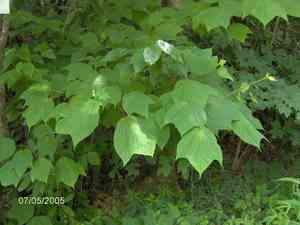
Striped maple typically develops as a small to medium-sized tree, often reaching heights of 15 to 30 feet. Its natural understory habitat means it flourishes in shaded conditions, contributing to forest diversity without overshadowing other vegetation. The broad, three-lobed leaves transform into a beautiful yellow in autumn, adding seasonal appeal to its surroundings.
How Does Striped maple Benefit the Ecosystem?
Supports Biological Diversity
As an understory plant, Striped maple plays a vital role in fostering forest biodiversity. By occupying a niche that might otherwise be dominated by more aggressive species, it helps maintain equilibrium within the forest ecosystem. The plant offers habitat and food sources for various insects, birds, and mammals, making it a cornerstone in the intricate web of forest life.
Soil Enhancement
One of the less recognized advantages of Striped maple is its capacity to improve soil quality. Its fallen leaves decompose rapidly, adding organic matter to the soil and boosting its nutrient content. This process enriches the soil, making it more fertile and capable of sustaining a diverse array of plant species. Furthermore, the root system of Striped maple aids in preventing soil erosion, contributing to soil stability.
Is Striped maple Simple to Grow?
Planting Requirements
Striped maple is relatively straightforward to cultivate, given the appropriate conditions. It prefers well-drained, loamy soils and thrives in shaded to partially shaded areas. While it can tolerate various soil types, it performs best in moist, fertile ground. This adaptability makes it a viable option for naturalizing in forest gardens, woodland settings, and even as an ornamental plant in larger landscapes.
Care and Upkeep
Maintaining Striped maple demands relatively little effort. Consistent watering is crucial during its initial growth phases, but once established, the plant is fairly drought-tolerant. Minimal pruning is necessary, primarily to remove any dead or diseased branches. Its natural resistance to most pests and diseases further simplifies its care, making it a favored choice for those seeking to add a touch of nature to their surroundings without extensive maintenance.
How Can Striped maple Be Utilized in Landscaping?
Design Adaptability
The aesthetic appeal of Striped maple makes it a versatile option for various landscaping designs. Its unique striped bark and broad leaves provide a distinctive visual element, while its manageable size allows it to be integrated into a variety of settings. Whether used in a woodland garden, as a focal point in a plant collection, or to add texture and color to a landscape design, Striped maple fits seamlessly into a wide array of design aesthetics.
Creating Natural Environments
Incorporating Striped maple into landscaping plans can also assist in establishing natural habitats within urban and suburban environments. This not only enhances the visual appeal of the area but also supports local wildlife. Birds, insects, and small mammals can find refuge and sustenance in these man-made habitats, contributing to local biodiversity and ecological health.
Why Should You Consider Adding Striped maple to Your Surroundings?
Ecological Contribution
Adding Striped maple to your environment offers numerous ecological advantages. From supporting forest biodiversity to enhancing soil quality, this plant fulfills multiple ecological functions that are invaluable for maintaining environmental balance. Its presence can help stabilize ecosystems, promote a diverse range of plant and animal life, and contribute to overall ecological health.
Aesthetic and Practical Value
Beyond its ecological contributions, Striped maple provides significant aesthetic and practical value. Its visually striking bark and seasonal foliage changes add an element of natural beauty to any space it inhabits. Additionally, its relatively low maintenance requirements and adaptability make it an excellent choice for both amateur gardeners and seasoned horticulturists. By incorporating Striped maple into your planting plans, you can enjoy the dual benefits of enhancing the beauty of your surroundings while contributing positively to the environment.



