The Paperbark maple Plant Advantage: Maximizing Home and Office Appeal and Wellness
1
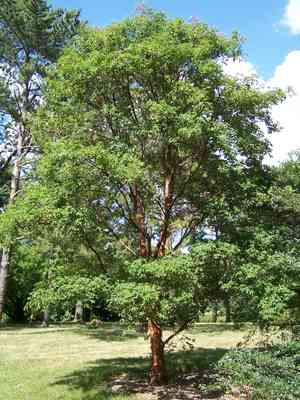
The paperbark maple showcases remarkable peeling bark, offering continuous aesthetic appeal.
2
This tree readily adjusts to various soil conditions and tolerates city contaminants.
3
Paperbark maple offers environmental advantages, such as aiding native fauna and enhancing atmospheric purity.
What Makes Paperbark maple Stand Out?
Unique Aesthetic Appeal
A primary characteristic distinguishing Paperbark maple is its distinctive exfoliating bark. This bark peels off in delicate, paper-like layers, revealing a rich, cinnamon-brown layer beneath. This not only gives the tree an attractive look year-round but also adds texture and visual interest to landscapes. This feature makes Paperbark maple a popular choice for decorative use in parks and private gardens.
Seasonal Beauty
Paperbark maple offers a spectacular seasonal display. In spring and summer, its three-lobed leaves are a vibrant green, while in autumn, these leaves transform into a striking red or orange hue. This seasonal change ensures the tree remains appealing throughout the year, making it an excellent option for adding color and beauty to various settings.
Adaptability and Hardiness of Paperbark maple
Soil and Climate Tolerance
Paperbark maple is known for its remarkable ability to adapt to a wide range of soil types, including clay, loam, and sandy soils. It can also thrive in both acidic and alkaline conditions. This tolerance makes it an excellent choice for diverse landscapes and urban environments. Furthermore, Paperbark maple is hardy in USDA Zones 4-8, covering a large portion of the United States, allowing it to withstand various climatic conditions, including cold winters and hot summers.
Pollution Resistance
Urban environments often present challenging conditions for plants due to higher pollution levels and restricted root growth areas. However, Paperbark maple exhibits a high level of resistance to urban pollution, making it a suitable choice for city landscapes. Its ability to thrive in such challenging environments highlights its resilience and versatility.
Ecological Benefits of Paperbark maple
Supporting Local Wildlife
Paperbark maple plays a crucial role in the ecosystem by supporting local wildlife. Its dense foliage provides shelter for birds and small mammals, while its flowers offer nectar for various pollinators, including bees and butterflies. By planting Paperbark maple, you contribute significantly to local biodiversity and create a more sustainable environment.
Improving Air Quality
Like all trees, Paperbark maple helps improve air quality by absorbing carbon dioxide and releasing oxygen. Moreover, its dense canopy can act as a natural air filter, trapping dust and other particulates, thereby improving the air quality in its vicinity. This makes Paperbark maple a valuable asset, especially in urban areas where air pollution can be a significant concern.
Landscape and Garden Uses
Ornamental Use
Given its striking appearance and manageable size, Paperbark maple is an excellent choice for ornamental purposes. It can serve as a focal point in gardens, parks, and public spaces. Its decorative bark and seasonal foliage make it a year-round visual asset.
Shade and Privacy
Paperbark maple is also effective for creating shaded areas and providing privacy. Its dense foliage makes it perfect for screening off sections of your garden or property, creating private, serene spots that are shielded from outside view. Additionally, the shade it provides can help cool down areas during hot summer months, contributing to a more comfortable outdoor environment.



