The Golden wattle Plant Advantage: Maximizing Home and Office Appeal and Wellness
1
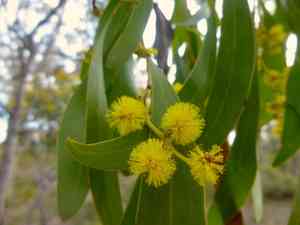
Golden wattle is recognized for its bright yellow blossoms that appear in late winter and early spring.
2
The foliage and bark of Golden wattle have been historically utilized in traditional customs for diverse applications.
3
Golden wattle contributes substantially to sustaining local biodiversity and ecological systems.
What Are the Ecological Advantages of Golden Wattle?
Supporting Local Biodiversity
A primary benefit of Golden Wattle is its contribution to local biodiversity. This plant offers vital sustenance and shelter for diverse wildlife, including birds, insects, and small mammals. Its blossoms are rich in nectar, drawing in bees and other pollinators, which in turn bolster the health of surrounding ecosystems.
Soil Enhancement and Erosion Control
Golden Wattle possesses an extensive root system crucial for soil stabilization. These roots help prevent soil erosion, making it a key plant for land rehabilitation initiatives. Furthermore, Golden Wattle improves soil fertility through nitrogen fixation, enriching the soil with nutrients beneficial for other flora.
How Does Golden Wattle Benefit Traditional Practices?
Uses of Bark and Leaves
Historically, Indigenous Australians have employed Golden Wattle for various purposes. The plant's bark and leaves have been utilized in numerous cultural customs. For instance, the bark contains tannins used in dyeing and leatherwork. Additionally, the leaves were occasionally incorporated into ceremonial contexts.
Natural Resource Management
Indigenous communities have long recognized Golden Wattle's importance in natural resource management. The plant was used in fire management strategies to regulate vegetation growth and maintain ecological equilibrium. This understanding of Golden Wattle and its applications has been passed down through generations, influencing modern environmental management approaches.
What Are the Environmental Applications of Golden Wattle?
Rehabilitation and Restoration Projects
Golden Wattle is extensively used in environmental rehabilitation and restoration efforts. Due to its robust nature and ability to thrive in diverse soil conditions, it is frequently planted in degraded landscapes to re-establish ecological balance. Its nitrogen-fixing capability aids in improving soil health, making it a valuable asset in land reclamation endeavors.
Carbon Sequestration
Another significant environmental advantage of Golden Wattle is its role in carbon sequestration. The plant absorbs atmospheric carbon dioxide and stores it within its biomass, helping to lessen the effects of climate change. This positions Golden Wattle as an important species in efforts to reduce carbon footprints and foster sustainability.
How Is Golden Wattle Utilized in Landscaping and Horticulture?
Aesthetic Appeal
The striking appearance of Golden Wattle makes it a favored choice in landscaping and horticulture. Its vibrant yellow flowers add a burst of color to gardens and public areas, while its evergreen foliage provides year-round beauty. Gardeners and landscapers appreciate Golden Wattle for its low maintenance and resilience.
Creating Habitat Gardens
Incorporating Golden Wattle into habitat gardens can significantly boost biodiversity. By planting Golden Wattle, gardeners establish an environment that attracts and supports various species of birds, insects, and other wildlife. This not only enhances the garden's beauty but also contributes to ecological health and conservation efforts.
What Are the Broader Cultural and Economic Impacts of Golden Wattle?
Symbol of National Identity
Golden Wattle holds a special place in Australian culture as a symbol of national identity. It is featured in various national emblems and commemorations, reflecting its deep-seated significance in Australian heritage. The plant is celebrated annually during Wattle Day, emphasizing its cultural and historical importance.
Economic Contributions
Beyond its ecological and cultural worth, Golden Wattle also contributes to the economy. Its flowers are used in the production of perfumes and essential oils, creating niche markets for these products. Moreover, the plant is utilized in the floriculture industry, both domestically and for export, providing economic opportunities for local communities.



