The Blackwood Plant Advantage: Maximizing Home and Office Appeal and Wellness
1
Blackwood is recognized for its rapid development and robust timber.
2
It offers superior grade wood for crafting furnishings and diverse woodworking endeavors.
3
Blackwood trees improve ground quality and stop soil degradation across different environments.
What Makes Blackwood Exceptional?
Natural Growth and Adaptability
Blackwood flourishes across diverse climates and soil types, rendering it an incredibly versatile plant. Its capacity to adjust to varied environmental conditions ensures it can be cultivated in numerous locations, from rural settings to cityscapes. This adaptability also means Blackwood requires minimal upkeep once properly established.
Durable and Attractive Wood
A key characteristic of Blackwood is its timber. Renowned for its density and strength, Blackwood lumber is not only enduring but also visually pleasing. The wood's rich, dark hue, coupled with its fine grain, makes it highly sought after for premium furniture, flooring, and musical instruments. Using Blackwood in these applications highlights its exceptional durability and aesthetic charm.
How Does Blackwood Benefit the Environment?
Soil Enrichment and Erosion Prevention
Blackwood plays a vital role in improving soil health. Its deep root system helps stabilize the ground, lowering erosion risk in vulnerable areas. Furthermore, Blackwood aids nutrient cycling by fixing nitrogen in the soil, boosting fertility and supporting other plant growth. This soil enhancement benefits both agricultural and natural ecosystems.
Habitat for Wildlife
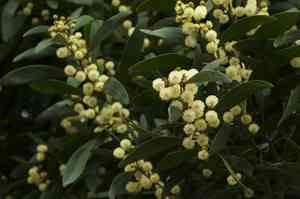
Blackwood trees provide a supportive environment for various wildlife. Their dense foliage and strong branches offer shelter and nesting spots for many bird species, while the blossoms attract bees and other pollinators. This increased biodiversity helps maintain ecological balance and fosters a healthy environment.
What Are the Practical Uses of Blackwood?
Furniture and Carpentry
The resilience and beauty of Blackwood timber make it a preferred choice for furniture makers and carpenters. Its resistance to wear ensures that products crafted from Blackwood are long-lasting, while its aesthetic qualities enhance the visual appeal of finished pieces. From elegant dining tables to sturdy cabinetry, Blackwood wood is a foundational material in the world of carpentry.
Urban Landscaping
Blackwood is also highly valued in urban landscaping projects. Its rapid growth and impressive canopy make it an excellent option for providing shade in parks and gardens. Additionally, Blackwood's dense foliage helps filter air pollutants, improving air quality in urban areas. This makes Blackwood an essential component of green infrastructure projects aimed at creating healthier and more sustainable cities.
How Can Blackwood Improve Your Home Environment?
Aesthetic Enhancement
Integrating Blackwood into your home landscape can significantly boost your property's visual appeal. The tree's elegant form and lush greenery add a touch of natural beauty to any garden or yard. Moreover, Blackwood can be pruned and shaped to suit various design preferences, making it a versatile choice for both classic and contemporary landscapes.
Eco-Friendly Benefits
Beyond its beauty, Blackwood offers several eco-friendly advantages. Its capacity to sequester carbon helps reduce greenhouse gas levels, thereby combating climate change. Planting Blackwood around your home not only improves air quality but also supports local biodiversity by providing habitats for birds and insects. By choosing Blackwood, you are making a conscious decision to promote environmental sustainability.



