The Subalpine fir Plant Advantage: Maximizing Home and Office Appeal and Wellness
1
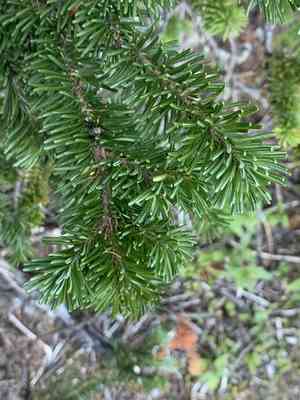
Subalpine fir plays a key role in specific forest environments, offering essential living spaces for animals.
2
The aromatic compounds extracted from Subalpine fir have historically found use in diverse applications.
3
Subalpine fir exhibits remarkable resistance to severe climatic elements, rendering it suitable for elevated terrains.
What Are the Primary Ecological Advantages of Subalpine Fir?
Supports Biodiversity
A key ecological advantage of Subalpine fir is its role in fostering biodiversity. By offering a stable habitat for diverse wildlife, this plant promotes a flourishing ecosystem. Birds, small mammals, and insects frequently depend on Subalpine fir for refuge and sustenance. Moreover, its extensive root system aids in soil stabilization, preventing erosion and enhancing water retention.
Climate Resilience
Subalpine fir is particularly well-suited to elevated and cold environments. Its ability to withstand harsh weather conditions makes it an invaluable species in these climates. The plant's robust needles and sturdy structure can endure heavy snow loads and strong winds, ensuring its consistent ecological presence in its habitat. This hardiness further boosts the stability and sustainability of the ecosystems it inhabits.
How Does Subalpine Fir Benefit Public Areas and Landscaping?
Aesthetic Appeal
Subalpine fir is frequently utilized in public spaces and landscaped areas due to its visual attractiveness. Its distinctive conical form and rich green foliage offer year-round beauty, making it a favored option for parks, gardens, and urban green zones. The plantâs inherent elegance can complement various landscape designs, from rustic to contemporary.
Environmental Improvements
Beyond its beauty, Subalpine fir significantly contributes to environmental enhancements in urban settings. It functions as a natural air purifier, absorbing pollutants and providing cleaner air for residents. Furthermore, the shade offered by Subalpine fir can lessen urban heat island effects, reducing temperatures and creating more comfortable outdoor environments.
What Are the Practical Applications of Subalpine Fir?
Essential Oils and Aromatics
Essential oils derived from Subalpine fir have been traditionally employed for various purposes. These oils are valued for their aromatic qualities and are often incorporated into personal care products such as soaps, lotions, and diffusers. The unique fragrance of Subalpine fir is known to have calming effects, making it popular in aromatherapy and relaxation practices.
Wood Products
Subalpine fir wood is prized for its soft yet durable characteristics, making it suitable for producing a range of wood items. It is frequently used in building construction, furniture manufacturing, and even in musical instruments. The wood's fine grain and workability make it an excellent material for crafting high-quality products that endure over time.
How Can Subalpine Fir Contribute to Sustainable Practices?
Renewable Resources
Subalpine fir plays a role in fostering sustainable practices due to its renewable nature. When managed responsibly, forests with a high density of Subalpine fir can serve as a source of renewable timber and other resources. This sustainable approach ensures that future generations can continue to benefit from the plant without depleting its presence.
Carbon Sequestration
The capacity of Subalpine fir to store carbon is another significant advantage. By capturing and retaining carbon dioxide from the atmosphere, Subalpine fir helps mitigate the impacts of climate change. Large stands of these plants act as carbon sinks, contributing to the reduction of greenhouse gases and promoting a healthier environment.



