The Abelia × grandiflora Plant Advantage: Maximizing Home and Office Appeal and Wellness
1
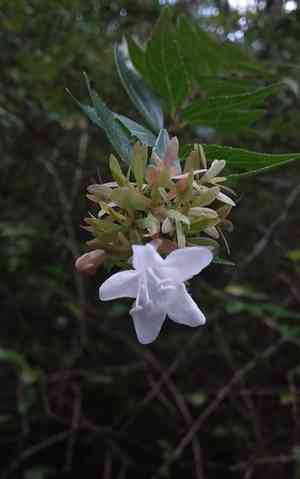
This bush is recognized for its enduring and aromatic flowers.
2
Its shiny, partially evergreen foliage provides continuous appeal.
3
Ideal for creating hedges, defining borders, and growing in pots.
Why Opt for Glossy Abelia in Your Garden?
Flexible and Adaptable
A key benefit of Glossy Abelia is its capacity to suit various garden environments. This hardy shrub flourishes in diverse soil types and climate conditions, making it an excellent selection for gardeners across different areas. Whether you aim for a lush border, a vibrant hedge, or an attractive container display, Glossy Abelia can be customized to meet your specific gardening needs.
Effortless Upkeep
Both gardening enthusiasts and beginners will appreciate the minimal care required by Glossy Abelia. This plant needs little attention, only occasional trimming and watering once established. Its drought-resistant qualities mean it can endure periods of low rainfall, making it an ideal choice for busy gardeners or those in areas with water restrictions.
What Are the Visual Advantages of Glossy Abelia?
Consistent Visual Appeal
Glossy Abelia is renowned for its continuous aesthetic charm throughout the year. Its shiny, semi-evergreen foliage retains its vibrant hue all year, offering ongoing interest even in winter. During its flowering season, typically from spring to autumn, Glossy Abelia displays an abundance of fragrant blossoms that attract pollinators and create a stunning spectacle in your garden.
Neat and Graceful Growth Pattern
The compact growth habit of Glossy Abelia makes it suitable for smaller areas or as an accent plant in larger gardens. Its elegant formâoften featuring arching branches and a rounded shapeâadds a touch of sophistication and visual balance to any landscape design.
How Can Glossy Abelia Benefit Local Wildlife?
Attracts Pollinating Insects
Glossy Abelia plays a crucial role in supporting local ecosystems by drawing in various pollinators. Bees, butterflies, and other beneficial insects are attracted to its nectar-rich flowers, enhancing the biodiversity of your garden. By incorporating Glossy Abelia into your landscaping, you help sustain these vital species, which are essential for pollination and overall environmental health.
Offers Sanctuary
Beyond attracting pollinators, Glossy Abelia also provides refuge for small wildlife. Birds, in particular, find its dense foliage an excellent spot for nesting and protection from predators. Thus, Glossy Abelia not only boosts your garden's visual appeal but also fosters a thriving, dynamic ecosystem.
How to Incorporate Glossy Abelia into Your Landscape Design?
Forming Hedges and Edges
One of the most common uses for Glossy Abelia in landscaping is for creating hedges and borders. Its dense foliage and moderate growth rate make it perfect for establishing boundaries that provide privacy and structure to your garden. Regular pruning will help maintain tidiness and encourage lush growth, enhancing the overall look of your landscape.
Pairing with Other Plants
Another way to utilize Glossy Abelia is by combining it with complementary plants to create diverse and layered plantings. Its delicate flowers and glossy leaves offer a striking contrast with larger, coarser plants, adding depth and texture to your garden. Consider planting Glossy Abelia alongside perennials, ornamental grasses, or even other shrubs to achieve a harmonious and visually appealing garden design.
What Are the Optimal Growing Conditions for Glossy Abelia?
Preferred Soil and Sunlight Needs
For best growth, Glossy Abelia prefers well-draining soil but can thrive in various soil types. While it can tolerate partial shade, the most abundant flowering occurs in locations receiving full sun. Ensuring your Glossy Abelia is planted in a spot with ample sunlight and good soil drainage will help it flourish, providing you with a beautiful and resilient plant to enjoy year-round.
Watering and Fertilizing
Once established, Glossy Abelia is relatively drought-tolerant, requiring minimal watering. However, during the initial planting phase and extreme dry periods, consistent watering is crucial to promote healthy root development. Fertilizing your plant with a balanced feed in early spring can also support vigorous growth and prolific blooming.



