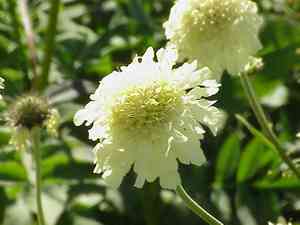
Walter's viburnum (Viburnum obovatum)
Also known as: Small-leaf viburnum, Walter's viburnum
Walter's viburnum, also known as Viburnum obovatum, is an evergreen shrub featuring silky, velvety deep-green leaves that can range from very small to medium in size. The foliage changes color with the seasons. This shrub is frequently used in buffer strips for sustainable parking lot designs. It serves as a larval host for the spring azure butterfly and emits strong fragrances that attract many pollinators.
In This Article
Attributes of Walter's viburnum
Lifespan
Perennial
Plant Type
Shrub
Plant Height
1.8 m to 8 m
Spread
1.8 m to 3 m
Leaf Color
Dark green, can turn purplish in winter
Flower Size
0.25 to 0.5 inches
Flower Color
White
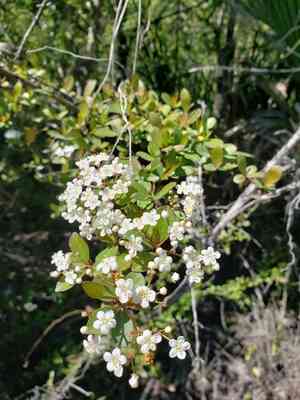
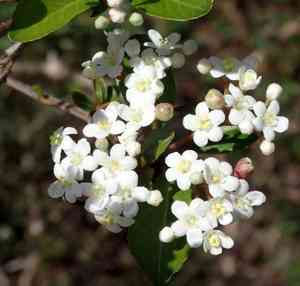
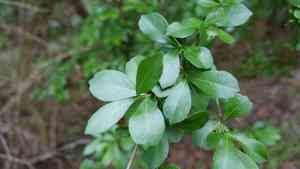
Images of Walter's viburnum
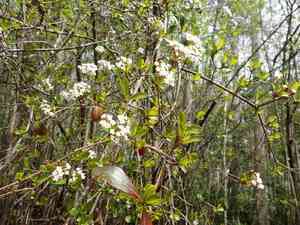
Quickly Identify Walter's viburnum
1
Dense, rounded form with numerous twiggy branches.
2
Clusters of small white flowers in dome shapes.
3
Small drupes transitioning from red to shiny black.
4
Lustrous dark green leaves, 1-2 inches long.
5
Distinctly reddish-brown stem, finely fissured with age.
Scientific Classification of Walter's viburnum
Phylum
Vascular plants
Class
Dicotyledons
Order
Dipsacales
Family
Moschatel
Genus
Viburnum
Species
Walter's viburnum
Planting and Growing of Walter's viburnum
Care Difficulty
Easy
Watering Schedule
Every 3 days
Sunlight Requirements
Full sun
Sunshine Duration
4-8 hours
Ideal Temperature
60-75℉
Soil Type
Potting Mix, Peat Mix
Soil pH
6.5-7.5
Fertilizer Type
Balanced
Pruning Season
Spring, Summer
Pruning Area
Branches, Leaves
Pruning Frequency
2 times a year
Repotting Season
Spring
Pot Type
Plastic, Ceramic
 How to Water Walter's viburnum?
For Viburnum obovatum, it's important to ensure that the soil is kept consistently moist but not soggy. A general guideline is to water deeply, allowing water to reach the root zone. Aim for about 500ml each session, ensuring water drains well to prevent waterlogging.
What are the symptoms of an underwatered Walter's viburnum?
›
What should I do if my Walter's viburnum is not getting enough water?
›
What are the symptoms of an overwatered Walter's viburnum?
›
How to save an overwatered Walter's viburnum?
›
 What Are the Sunlight Requirements for Walter's viburnum?
Ideal light range involves full sun to partial sun exposure, providing optimal photosynthesis conditions. This supports strong, healthy growth and a vibrant display of flowers, enhancing garden aesthetics and biodiversity.
More About Sunlight Requirements Techniques→
What is the best light condition?
›
How can I achieve ideal lighting?
›
What are the benefits of ideal lighting?
›
 What Is the Ideal Temperature Range for Walter's viburnum?
Viburnum obovatum thrives best when the ambient temperature is maintained between 60°F and 75°F. This temperature range mimics the conditions found in its native habitats, promoting optimal growth and blooming cycles. Maintaining this range ensures that the plant's metabolic processes function efficiently, from photosynthesis to nutrient uptake.
 What Soil is Best for Walter's viburnum?
Viburnum obovatum thrives in well-draining soil, which prevents root rot by allowing excess water to escape quickly. This type of soil is essential for maintaining the plant's health and promoting robust root development. A nutrient-rich soil helps Viburnum obovatum access essential elements for growth, leading to vibrant foliage and prolific flowering. The availability of nutrients like nitrogen and phosphorus ensures the plant's metabolic processes function optimally. Maintaining consistent moisture levels in the soil is crucial for Viburnum obovatum, as it supports the plant's cellular functions and overall vigor. Adequate moisture prevents stress during dry periods and contributes to sustained plant health.
 How to Fertilize Walter's viburnum?
For Viburnum obovatum, the fertilizer amount should be moderate to prevent nutrient burns. Generally, for liquid fertilizer, use a diluted solution, about half the strength recommended on the fertilizer package. For slow-release fertilizer, apply about 1 pound per 100 square feet of planting area. Adjust the rate if the foliage shows stress signs.
 How to Prune Walter's viburnum?
Begin your pruning by inspecting the shrub for any dead or diseased branches. These should be removed first to prevent any spread of disease and to improve air circulation. Prune the Viburnum obovatum to maintain a rounded shape. Trim back straggly branches and cut just above a leaf node to encourage new, bushy growth. Thinning out dense inner growth helps to allow light and air to penetrate the shrub, which can lead to healthier foliage and prevent fungal issues.
More About Pruning Techniques→
 How to Propagate Walter's viburnum plant?
1
Gather freshly collected or purchased seeds and lightly scarify them to help water absorption. Soak the seeds overnight in warm water to soften the seed coat for better germination.
2
In spring or early summer, select healthy, semi-hardwood stems and cut them at an angle to about 4-6 inches long. Remove the lower leaves and dip the cut end in rooting hormone for best results.
3
Insert the cuttings into a well-draining potting mix, burying at least 2 inches of the stem. Water them lightly and cover with plastic to maintain humidity, placing them in indirect sunlight.
 How to Repot Walter's viburnum plant?
1
Viburnum obovatum indicates the time for repotting through slow growth, roots peeking out from drainage holes, or water sitting on top of the soil. These are clear signals that the plant craves more space and fresh nutrients.
2
Opt for a pot that is 2-4 inches larger in diameter than the current one, with ample drainage. A pot just the right size ensures better root development and helps prevent overwatering issues.
3
Select a well-draining potting mix with a combination of peat, pine bark, and perlite. This mixture offers excellent drainage and moisture retention, giving roots the aeration they need to thrive.



