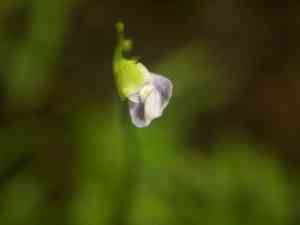
Asian bladderwort (Utricularia uliginosa)
Also known as: Common Purple Bladderwort
The Asian bladderwort is a semi-aquatic plant typically located in shallow pools and rocky streams. Rather than depending solely on photosynthesis, bladderworts consume small insects like water fleas and aquatic worms for nutrients.
In This Article
Attributes of Asian bladderwort
Lifespan
Annual
Plant Type
Herb
Plant Height
5-20 cm
Spread
Not applicable
Leaf Color
Green
Flower Size
6 mm
Flower Color
White Purple Blue
Images of Asian bladderwort
Quickly Identify Asian bladderwort
1
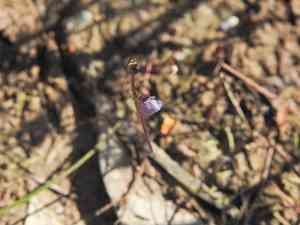
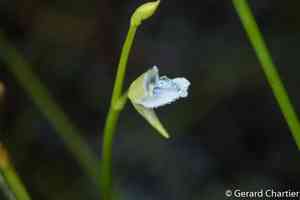
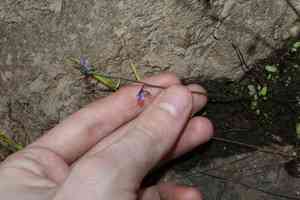
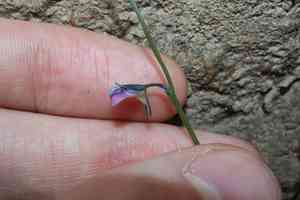
Identify Utricularia uliginosa by its small, delicate, purple flowers and its unique bladder traps which are used to capture prey. The leaves are typically submerged, and the flower stalks rise above the water.
Scientific Classification of Asian bladderwort
Phylum
Vascular plants
Class
Dicotyledons
Order
Lamiales
Family
Bladderworts
Genus
Bladderworts
Species
Asian bladderwort
Planting and Growing of Asian bladderwort
Care Difficulty
Easy
Watering Schedule
Every 8 days
Sunlight Requirements
Partial sun
Sunshine Duration
6-12 hours
Ideal Temperature
75-85℉
Soil Type
Potting Mix, Peat Mix
Soil pH
4.5-7
Fertilizer Type
Balanced
Pruning Season
Spring, Summer
Pruning Area
Branches, Leaves
Pruning Frequency
2 times a year
Repotting Season
Spring
Pot Type
Plastic, Ceramic
 How to Water Asian bladderwort?
Utricularia uliginosa thrives in consistently moist conditions, reminiscent of its marshy natural habitat. Watering should involve saturating the soil thoroughly until water seeps through to ensure roots absorb ample moisture, adhering to the principle of never allowing the soil to dry out completely.
What are the symptoms of an underwatered Asian bladderwort?
›
What should I do if my Asian bladderwort is not getting enough water?
›
What are the symptoms of an overwatered Asian bladderwort?
›
How to save an overwatered Asian bladderwort?
›
 What Are the Sunlight Requirements for Asian bladderwort?
Partial to full sun is ideal for Utricularia uliginosa, enriching its photosynthetic process and promoting healthy, vigorous growth with robust flowering.
More About Sunlight Requirements Techniques→
How much sun does it require?
›
What is the best lighting environment?
›
What solutions help achieve the best lighting?
›
 What Is the Ideal Temperature Range for Asian bladderwort?
For Utricularia uliginosa, the ideal temperature range is crucial for proper physiological and metabolic functions. These plants thrive in consistently warm environments with temperatures ranging between 75 to 85 degrees Fahrenheit. Such conditions mimic their native habitats in tropical and subtropical regions, enabling robust growth and efficient energy usage.
 What Soil is Best for Asian bladderwort?
Utricularia uliginosa thrives in moisture-retentive soil, which ensures constant hydration. This soil type helps mimic the plant's natural bog environment, preventing desiccation and promoting robust growth. This plant prefers nutrient-poor soil, which minimizes competition from other species. The low fertility levels help sustain Utricularia uliginosa's growth by ensuring its carnivorous mechanism remains effective for nutrient acquisition. While the soil should retain moisture, it must also offer good drainage to prevent stagnation. Proper drainage ensures that the roots do not become waterlogged, which can lead to root rot and other health issues.
 How to Fertilize Asian bladderwort?
Utricularia uliginosa, a carnivorous plant, typically needs minimal fertilization due to its unique ability to derive nutrients from captured prey. When applying fertilizer, dilute liquid fertilizer to one-fourth of the recommended strength to avoid nutrient burn.
 How to Prune Asian bladderwort?
Start by identifying the unhealthy or weak parts of Utricularia uliginosa. Use sharp, sterilized scissors to cut these parts back to the base. Be mindful to maintain a natural shape and remove any spent flowers to stimulate new blooms. To thin out your Utricularia uliginosa, selectively remove crowded or overlapping stems. Focus on keeping the center open to ensure good air circulation, which helps prevent diseases and promotes vigorous growth throughout the growing season.
More About Pruning Techniques→
 How to Propagate Asian bladderwort plant?
1
For both seed propagation and division, a well-draining and nutrient-deficient substrate is essential. A mix of sand and peat moss is often used, simulating the plant's natural wetland habitat.
2
Seeds should be sown on the surface without covering as they require light to germinate. Maintain high humidity by placing a plastic dome over the tray, ensuring it stays moist during germination.
3
Carefully remove the plant from its container, gently separating clumps. Use a sterile cutting knife to separate sections with roots attached. Replant divisions into prepared pots with appropriate substrate.
 How to Repot Asian bladderwort plant?
1
Repot Utricularia uliginosa when growth seems stagnated, or roots outgrow the current container. Ideal times to repot are during Spring or Summer, as these seasons provide optimal conditions for root recovery and growth. Keep an eye on the roots poking out of the container, which is a key signal that it's time to switch pots.
2
Select a pot that is slightly larger than the current one, providing enough room for root expansion while avoiding excessive space that can lead to moisture retention issues. Use pots with drainage holes to ensure proper water flow, preventing root rot and maintaining healthy soil conditions.
3
Opt for a soil mix with peat and sand, offering good acidity and drainage. This combination mimics the plant's natural habitat, allowing for moisture retention without waterlogging, thus supporting robust growth by providing essential aeration to the roots.



