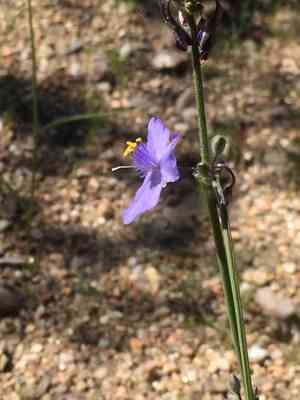
Pinewoods spiderwort (Tradescantia pinetorum)
Also known as: Pinetorum spiderwort
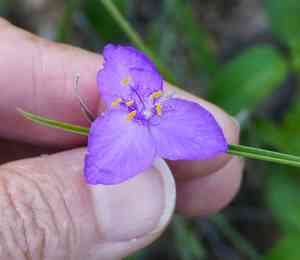
Pinewoods spiderwort (Tradescantia pinetorum) features slender, pointed leaves that create a dense, grass-like cluster, giving it a unique, tufted look. This perennial plant flourishes in pine forests, where it benefits from the dappled sunlight typical of its natural environment. The plant's resilience and tendency to spread are shaped by these conditions. Its small, three-petaled flowers, typically in hues of blue or purple, emerge close to the foliage, providing a subtle yet charming visual contrast.
In This Article
Attributes of Pinewoods spiderwort
Lifespan
Perennial
Plant Type
Herb
Plant Height
10-30 cm (4-12 inches)
Spread
20-40 cm (8-16 inches)
Leaf Color
Green
Flower Size
1-2 cm (0.4-0.8 inches)
Flower Color
Blue, Purple
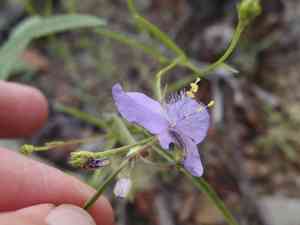
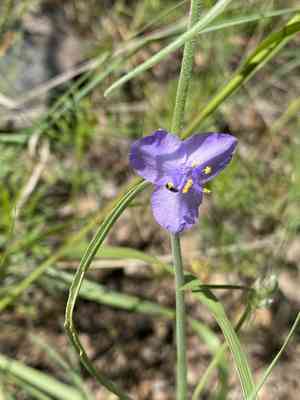
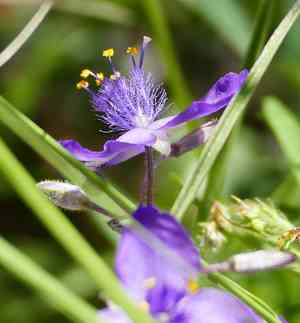
Images of Pinewoods spiderwort
Quickly Identify Pinewoods spiderwort
1
Tradescantia pinetorum can be identified by its narrow, grass-like leaves and small, three-petaled flowers that are typically blue to purple in color.
Scientific Classification of Pinewoods spiderwort
Phylum
Vascular plants
Class
Monocotyledons
Order
Commelinales
Family
Spiderwort
Genus
Spiderworts
Species
Pinewoods spiderwort
Planting and Growing of Pinewoods spiderwort
Care Difficulty
Easy
Watering Schedule
Every 4 days
Sunlight Requirements
Partial sun
Sunshine Duration
10-14 hours
Ideal Temperature
65-75℉
Soil Type
Potting Mix, Peat Mix
Soil pH
6.5-7.5
Fertilizer Type
Balanced
Pruning Season
Spring, Summer
Pruning Area
Branches, Leaves
Pruning Frequency
2 times a year
Repotting Season
Spring
Pot Type
Plastic, Ceramic
 How to Water Pinewoods spiderwort?
For Tradescantia pinetorum, it's essential to water with about 200 milliliters each time, ensuring that the top inch of the soil remains moist without being waterlogged. The aim is for the soil to be slightly damp but not saturated, promoting healthy root growth while preventing root rot.
What are the symptoms of an underwatered Pinewoods spiderwort?
›
What should I do if my Pinewoods spiderwort is not getting enough water?
›
What are the symptoms of an overwatered Pinewoods spiderwort?
›
How to save an overwatered Pinewoods spiderwort?
›
 What Are the Sunlight Requirements for Pinewoods spiderwort?
Tradescantia pinetorum prefers partial sun, benefiting from around 4 to 6 hours of light daily. This balance prevents leaf scorch and encourages colorful foliage and robust growth.
What is the ideal light exposure?
›
What are the solutions for ideal light exposure?
›
What are the benefits of optimal light for Tradescantia pinetorum?
›
 What Is the Ideal Temperature Range for Pinewoods spiderwort?
The ideal temperature range for Tradescantia pinetorum is between 65°F and 75°F. Within this range, the plant thrives and shows optimal growth due to balanced enzymatic and photosynthetic activity. This temperature range closely mimics the natural habitat conditions, providing sufficient warmth during the day and cooler evenings, but without dramatic fluctuations.
 What Soil is Best for Pinewoods spiderwort?
Tradescantia pinetorum thrives in well-drained soil, which prevents waterlogging that could damage the plant's roots. Good drainage allows air to reach the roots and maintains essential nutrients availability. This plant prefers soil with moderate fertility. While it doesn't require highly nutrient-rich soil, a balanced mineral composition supports healthy growth and vivid foliage coloration. Soil moisture should be consistent but not excessive. Sandy loam provides an ideal blend of moisture retention and drainage, keeping the plant hydrated without drowning it.
 How to Fertilize Pinewoods spiderwort?
For Tradescantia pinetorum, the fertilizer amount should be moderate. When using liquid fertilizers, dilute the concentration to half the recommended dose to prevent root burn. For slow-release fertilizers, apply them sparingly, following package instructions to ensure balanced nutrient intake without overwhelming the plant.
 How to Prune Pinewoods spiderwort?
Start by examining your Tradescantia pinetorum for any dead or yellowing leaves. Using your clean pruning shears, carefully snip these off at the base of the stem. Removing dead leaves not only improves appearance but also prevents disease. If you want to shape your Tradescantia pinetorum, trim excess growth to maintain a compact and bushy form. Cut back any overgrown stems to the desired length, ensuring to leave some healthy leaves on each stem to promote regrowth. To encourage bushier growth, pinch back the tips of the stems. This process stimulates the plant to produce more side shoots, resulting in a fuller, lusher appearance. Repeat this process monthly during active growth periods.
More About Pruning Techniques→
 How to Propagate Pinewoods spiderwort plant?
1
Select cuttings from the parent plant that are healthy and free from any diseases or pests. The ideal length for a cutting should be around 3 to 5 inches, and it should have at least one or two nodes.
2
After selecting the cuttings, remove any lower leaves and dip the cut end into rooting hormone powder. This encourages faster rooting and protects the cut from infections.
3
Insert the cutting into a pot filled with moist, sterilized potting soil. Ensure that at least one node is buried under the soil, as this is where roots will develop.
 How to Repot Pinewoods spiderwort plant?
1
Tradescantia pinetorum shows signs that it's ready for repotting when roots start escaping through the drainage holes, or when you notice the growth slowing down significantly. These are clear indications that the plant needs more space for its root system, usually suggesting the onset of the growing season in spring is the best time.
2
Select a pot that is one or two sizes larger than the current one. Ensure it has excellent drainage to prevent waterlogging, which could lead to root rot. A slightly larger pot allows for more root expansion, promoting healthier growth without overwhelming the plant with excess soil moisture.
3
Opt for a well-draining potting mix with a composition that includes materials like perlite, peat moss, and pine bark. This type of soil ensures that moisture does not accumulate, providing ample oxygen to the roots, thus preventing diseases and promoting robust growth.
Learn More About Pinewoods spiderwort Diseases
Anthracnose
Bacterial Leaf Spot
Bacterial Soft Rot
Damping-off
Downy Mildew
Drought Stress
Fusarium Wilt
Gray Mold
Leaf Spot
Mosaic
Nutrient Deficiency
Nutrient Toxicity
Powdery Mildew
Root Rot
Root-knot Nematode
Rusts
Sooty Mold
Spider Mites
Temperature Stress
Thrips Damage
White Mold
Chemical Injury



