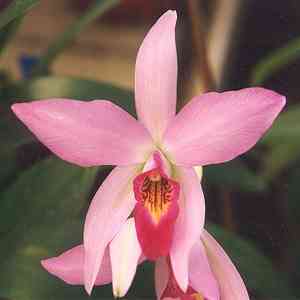
Serpentine wallflower orchid (Tetramicra canaliculata)
Also known as: None
The Serpentine wallflower orchid is a slender, tropical orchid known for its delicate, typically white blossoms that emit a gentle fragrance. Its thin, elongated leaves and airy roots are adapted to cling to tree bark in its native forest environments. This epiphytic orchid flourishes in the Caribbean's high humidity and dappled sunlight, showcasing nature's elegance with its intricate, petite blooms that stand out amid the lush foliage.
In This Article
Attributes of Serpentine wallflower orchid
Lifespan
Perennial
Plant Type
Herb
Plant Height
10-30 cm
Spread
Not Applicable
Leaf Color
Green
Flower Size
2-3 cm
Flower Color
Pink to purple
Quickly Identify Serpentine wallflower orchid
1
Identify Tetramicra canaliculata by its small, slender stems and distinct star-shaped flowers with pointed petals. The flowers are typically pink to purple and appear in loose clusters.
Scientific Classification of Serpentine wallflower orchid
Phylum
Vascular plants
Class
Monocotyledons
Order
Asparagales
Family
Orchid
Genus
Wallflower orchid
Species
Serpentine wallflower orchid
Planting and Growing of Serpentine wallflower orchid
Care Difficulty
Hard
Watering Schedule
Every 2 days
Sunlight Requirements
Partial sun
Sunshine Duration
6-10 hours
Ideal Temperature
68-77℉
Soil Type
Potting Mix, Peat Mix
Soil pH
6.5-7.5
Fertilizer Type
Balanced
Pruning Season
Spring, Summer
Pruning Area
Branches, Leaves
Pruning Frequency
2 times a year
Repotting Season
Spring
Pot Type
Plastic, Ceramic
 How to Water Serpentine wallflower orchid?
Tetramicra canaliculata requires careful watering, ensuring the soil is moist but not waterlogged. Aim for about 200 ml of water per session, checking that the water penetrates the soil without pooling on the surface.
What are the symptoms of an underwatered Serpentine wallflower orchid?
›
What should I do if my Serpentine wallflower orchid is not getting enough water?
›
What are the symptoms of an overwatered Serpentine wallflower orchid?
›
How to save an overwatered Serpentine wallflower orchid?
›
 What Are the Sunlight Requirements for Serpentine wallflower orchid?
Tetramicra canaliculata thrives in partial sun environments, receiving 4-6 hours of moderate light daily. Ideal light ensures proper photosynthesis and vibrant blooming, which contribute to healthy growth and robust orchid displays.
What is the optimal location for Tetramicra canaliculata?
›
How can I tell if my plant is receiving too much or too little light?
›
What measures help to maintain ideal light conditions throughout the year?
›
 What Is the Ideal Temperature Range for Serpentine wallflower orchid?
The ideal temperature range for Tetramicra canaliculata is between 68°F and 77°F. This range allows the plant to maintain optimal growth and development by providing the right balance of warmth without causing heat stress or chilling damage. Ensuring temperatures within this range helps support healthy leaf formation, flowering, and overall plant vigor.
 What Soil is Best for Serpentine wallflower orchid?
Tetramicra canaliculata thrives in well-drained soil to prevent root rot. Well-drained soil ensures excess water drains away quickly, keeping the roots healthy and allowing for proper nutrient absorption. Providing nutrient-rich soil helps ensure the plant receives the essential minerals and nutrients it needs for growth and blooming. This supports vibrant blooms and robust foliage. Soil that maintains moderate moisture without becoming waterlogged allows this plant to stay hydrated without drowning the roots. This balance helps maintain healthy growth.
 How to Fertilize Serpentine wallflower orchid?
For Tetramicra canaliculata, apply liquid fertilizer at half-strength of the recommended dosage for orchids, ensuring that the leaves and roots absorb the nutrients effectively without any risk of burning. Start with approximately 1/4 teaspoon per gallon of water.
 How to Prune Serpentine wallflower orchid?
Tetramicra canaliculata is an epiphytic orchid, meaning it grows on other plants. Start by examining the plant's structure, noting the new growth versus the older parts. Focus on healthy green pseudobulbs and the roots they support. Use sterilized scissors to cut away any dead or decaying roots and pseudobulbs. Be careful to avoid damaging any new growth. This encourages the plant to focus its energy on developing new, healthy parts. Pruning is not just about health but also about maintaining the orchid's visual appeal. Trim back any overgrown shoots to maintain a balanced look. This makes the plant not only healthier but also more attractive.
More About Pruning Techniques→
 How to Propagate Serpentine wallflower orchid plant?
1
Collect seeds from mature Tetramicra canaliculata plants when the seed pods turn brown and dry. Make sure to store them in a cool, dry place until ready for sowing.
2
Scatter the Tetramicra canaliculata seeds evenly over the seed tray filled with sterile potting mix. Lightly cover with a thin layer of soil and mist gently with water to ensure even moisture.
3
Place the seed tray in a bright, indirect light environment with temperatures around 20-25°C (68-77°F). Maintain humidity by covering the tray with a plastic dome or using a humidity tent.
 How to Repot Serpentine wallflower orchid plant?
1
Tetramicra canaliculata needs repotting when roots start to outgrow the container, appearing crowded and tangled. It's advisable to repot when growth slows or leaves seem less vibrant, signaling substrate depletion.
2
Select a pot just one size larger with ample drainage holes. Proper drainage prevents root rot and mimics the plant's natural airy environment, promoting healthy root and foliage growth.
3
Use a well-draining orchid mix with bark, charcoal, and perlite. This ensures good aeration and moisture retention, akin to its natural growing conditions, fostering robust growth and ample blooms.
Learn More About Serpentine wallflower orchid Diseases
Anthracnose
Bacterial Leaf Spot
Bacterial Soft Rot
Bacterial Wilt
Black Spot
Chemical Injury
Damping-off
Downy Mildew
Drought Stress
Fusarium Wilt
Gray Mold
Leaf Curl
Leaf Spot
Mosaic
Nutrient Deficiency
Nutrient Toxicity
Powdery Mildew
Root Rot
Root-knot Nematode
Rusts
Sooty Mold
Spider Mites
Temperature Stress
Thrips Damage
White Mold



