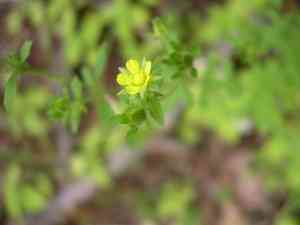
Biennial cinquefoil (Potentilla biennis)
Also known as: Biennial Cinquefoil, Biennial Potentilla
Evening primrose (Oenothera biennis) is a biennial herbaceous plant with a two-year life cycle. In its second year, it produces striking bright-yellow, five-petaled flowers. The plant's leaves are usually lance-shaped and slightly toothed. It adapts well to various temperate environments, flourishing in both sunny and partially shaded areas. Commonly found in meadows and along roadsides, evening primrose stands out due to its unique flowers and growth habits.
In This Article
Attributes of Biennial cinquefoil
Lifespan
Biennial
Plant Height
2 feet
Spread
Not applicable
Leaf Color
Green
Flower Size
0.5 inches
Flower Color
Yellow
Images of Biennial cinquefoil
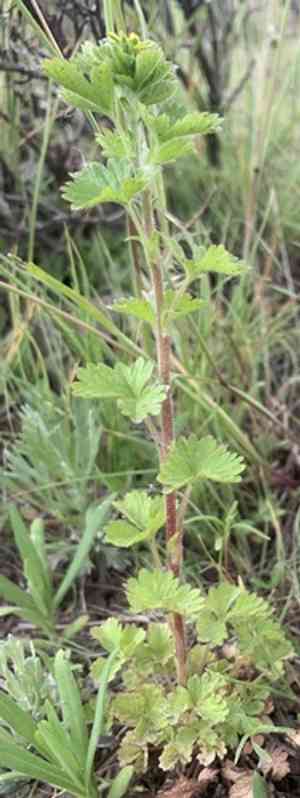

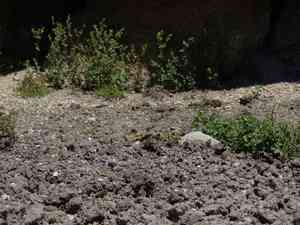
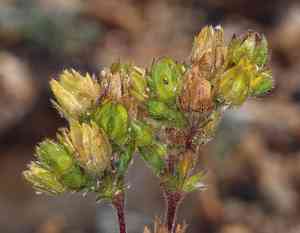
Quickly Identify Biennial cinquefoil
1
Potentilla biennis can be identified by its finely divided, fern-like leaves and small yellow flowers. The flowers have five petals and are about 0.5 inches in diameter. The plant is typically about 1-2 feet tall and has a biennial lifecycle, meaning it completes its growth and reproduction cycle in two years.
Scientific Classification of Biennial cinquefoil
Phylum
Vascular plants
Class
Dicotyledons
Order
Rosales
Family
Rose
Genus
Cinquefoils
Species
Biennial cinquefoil
Planting and Growing of Biennial cinquefoil
Care Difficulty
Easy
Watering Schedule
Every 4 days
Sunlight Requirements
Full sun
Sunshine Duration
6-10 hours
Ideal Temperature
60-70℉
Soil Type
Potting Mix, Peat Mix
Soil pH
6.5-7.5
Fertilizer Type
Balanced
Pruning Season
Spring, Summer
Pruning Area
Branches, Leaves
Pruning Frequency
2 times a year
Repotting Season
Spring
Pot Type
Plastic, Ceramic
 How to Water Biennial cinquefoil?
When watering Potentilla biennis, aim to provide about 250 mL of water per session. This amount ensures that the soil is adequately moistened but not waterlogged. The principle is to saturate the soil until water begins to drain out of the bottom, ensuring thorough hydration of the root zone.
What are the symptoms of an underwatered Biennial cinquefoil?
›
What should I do if my Biennial cinquefoil is not getting enough water?
›
What are the symptoms of an overwatered Biennial cinquefoil?
›
How to save an overwatered Biennial cinquefoil?
›
 What Are the Sunlight Requirements for Biennial cinquefoil?
Potentilla biennis thrives in full sun to partial sun, fostering healthy growth and vibrant flowers. Ideal light ensures robust blooming and solid foliage.
What is the best lighting setup for Potentilla biennis?
›
How can you ensure Potentilla biennis gets ideal lighting?
›
What benefits are gained from ideal lighting conditions?
›
 What Is the Ideal Temperature Range for Biennial cinquefoil?
The ideal temperature range for Potentilla biennis growth is between 60°F and 70°F. This temperature range ensures optimal physiological processes, including photosynthesis and nutrient uptake. Maintaining this range helps in achieving healthy foliage and prolific blooming throughout the growing season.
 What Soil is Best for Biennial cinquefoil?
Potentilla biennis thrives in well-draining soil, which helps prevent waterlogging that can lead to root rot. This is crucial to maintain healthy root systems and ensure the plant's longevity in its growing environment. A nutrient-rich soil composition encourages robust growth in Potentilla biennis. By providing essential nutrients, the plant can sustain its vibrant foliage and frequent flowering, enhancing its ornamental value. Potentilla biennis prefers soil that retains moderate moisture. Consistent moisture levels prevent stress and promote steady growth, allowing the plant to flourish throughout its growing season.
 How to Fertilize Biennial cinquefoil?
For Potentilla biennis, it is recommended to apply about 1/4 to 1/2 teaspoon of liquid fertilizer per gallon of water. This modest amount helps ensure the plant receives the necessary nutrients without risking root burn or nutrient leaching.
 How to Prune Biennial cinquefoil?
Begin by removing spent flowers to encourage further blooming. This not only enhances the plant's appearance but also redirects energy towards new growth rather than seed production. Identify and cut back any leggy or scraggly growth to reshape the plant. This helps maintain a bushy appearance, ensuring that Potentilla biennis remains attractive and vibrant throughout its growing seasons.
More About Pruning Techniques→
 How to Propagate Biennial cinquefoil plant?
1
Start by filling the seed tray with potting mix. Then, evenly distribute the Potentilla biennis seeds on the soil's surface. Lightly press the seeds into the soil but do not cover them entirely, as they need light to germinate.
2
After sowing the seeds, lightly mist the soil with water to provide moisture. Ensure that the soil stays consistently moist but not waterlogged during the germination period, which typically lasts for 2-3 weeks.
3
Once the seedlings have developed a few true leaves and appear sturdy, they can be carefully transplanted into individual pots or directly into the garden. Ensure a gentle transition to reduce transplant shock.
 How to Repot Biennial cinquefoil plant?
1
Repot Potentilla biennis when you notice roots peeking out of drainage holes or if growth slows significantly. Spring and autumn are optimal seasons as the plant's stress levels are minimized, allowing it to establish in a new home effectively.
2
Select a pot that is 2-3 inches wider in diameter than the current one, with adequate drainage holes. This prevents waterlogging and allows roots to spread comfortably, reducing the risk of root rot and promoting healthier growth.
3
Opt for a well-draining, loamy soil mix. This mix provides the right balance of moisture retention and aeration, ensuring the plant's roots receive adequate oxygen while avoiding excess water that could lead to root diseases.
Learn More About Biennial cinquefoil Diseases
Anthracnose
Bacterial Leaf Spot
Bacterial Wilt
Black Spot
Chemical Injury
Crown Gall
Damping-off
Downy Mildew
Drought Stress
Fusarium Wilt
Gray Mold
Leaf Curl
Leaf Spot
Mosaic
Nutrient Deficiency
Nutrient Toxicity
Powdery Mildew
Root Rot
Root-knot Nematode
Rusts
Sooty Mold
Spider Mites
Temperature Stress
Thrips Damage
White Mold



