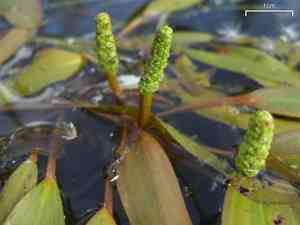
Variableleaf pondweed (Potamogeton gramineus)
Also known as: Grassy pondweed, Grass-leaved pondweed
This aquatic perennial, rooted in wet substrates via creeping rhizomes, features slender, cylindrical, and highly branched stems often under a meter long. The submerged leaves are narrow, measuring around 4 to 9 cm in length and 5 to 12 mm in width along the main stem, with smaller leaves on the side branches. These leaves are sessile, meaning they attach directly to the stem without petioles.
In This Article
Attributes of Variableleaf pondweed
Lifespan
Perennial
Plant Type
Herb
Plant Height
Up to 1 meter
Spread
Not applicable as it is an aquatic plant
Leaf Color
Green
Flower Size
Small, less than 1 cm
Flower Color
Greenish-brown
Images of Variableleaf pondweed
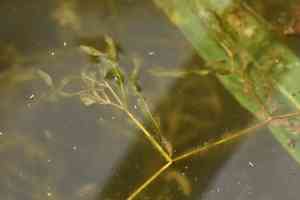
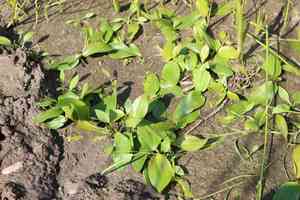
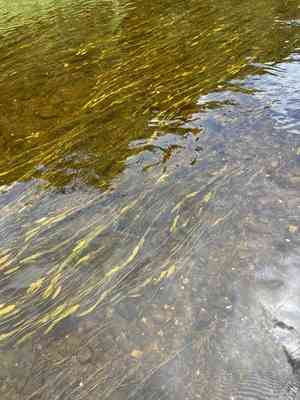
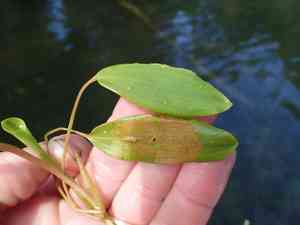
Quickly Identify Variableleaf pondweed
1
To identify Potamogeton gramineus, look for its long and narrow grass-like leaves that are typically submerged. It also has a tendency to form dense mats in the water. The plant produces small, inconspicuous flowers on spikes that rise above the water surface.
Scientific Classification of Variableleaf pondweed
Phylum
Vascular plants
Class
Monocotyledons
Order
Alismatales
Family
Pondweed
Genus
pondweeds
Species
Variableleaf pondweed
Planting and Growing of Variableleaf pondweed
Care Difficulty
Easy
Watering Schedule
Every 5 days
Sunlight Requirements
Full sun
Sunshine Duration
4-6 hours
Ideal Temperature
59-77℉
Soil Type
Potting Mix, Peat Mix
Soil pH
6.5-7.5
Fertilizer Type
Balanced
Pruning Season
Spring, Summer
Pruning Area
Branches, Leaves
Pruning Frequency
2 times a year
Repotting Season
Spring
Pot Type
Plastic, Ceramic
 How to Water Variableleaf pondweed?
Potamogeton gramineus, commonly known as Grassy Pondweed, ideally requires about 300 ml of water each time. This amount ensures that the roots have ample moisture without waterlogging the plant. Since this species naturally resides in aquatic environments, mimicking those conditions with a consistent water supply is crucial. Always aim for the topsoil to be evenly moist, replicating the natural conditions without allowing it to dry out completely.
What are the symptoms of an underwatered Variableleaf pondweed?
›
What should I do if my Variableleaf pondweed is not getting enough water?
›
What are the symptoms of an overwatered Variableleaf pondweed?
›
How to save an overwatered Variableleaf pondweed?
›
 What Are the Sunlight Requirements for Variableleaf pondweed?
An ideal light range for Potamogeton gramineus includes partial to full sun, ensuring at least a portion of the day receives direct sunlight, enhancing photosynthesis, growth rate, and overall plant health by promoting better nutrient uptake.
How much light does Potamogeton gramineus need?
›
What is the primary source of light for Potamogeton gramineus?
›
What are the ideal adjustments for indoor growth?
›
 What Is the Ideal Temperature Range for Variableleaf pondweed?
The ideal temperature range for Potamogeton gramineus is between 59°F and 77°F. This range supports optimal growth and health of the plant, promoting strong photosynthetic activity and robust leaf development. Ensuring temperatures remain within this bracket encourages the plant's ability to thrive, ensuring it maintains the vital functions for growth, such as nutrient uptake and cellular respiration.
 What Soil is Best for Variableleaf pondweed?
Potamogeton gramineus thrives in soils with sufficient drainage. This condition helps prevent waterlogging, ensuring the roots receive both water and oxygen efficiently, which promotes healthy growth and stability. The soil should retain moisture without becoming soggy. This helps maintain consistent hydration, crucial for aquatic plants, and supports the plant's metabolic processes and nutrient intake. A nutrient-dense soil is necessary to provide essential minerals and compounds. Such a soil promotes robust growth and helps the plant develop strong leaves and stems, enhancing its overall vitality.
 How to Fertilize Variableleaf pondweed?
Potamogeton gramineus requires careful fertilization to thrive. For liquid fertilizers, apply a diluted solution at half-strength. For slow-release fertilizers, use small amounts, following the product instructions to avoid over-fertilization.
 How to Prune Variableleaf pondweed?
Start by identifying yellowing or dead leaves, which should be removed first to improve plant health. Cut these parts at the base to prevent them from decomposing in water. Next, trim the longer, healthier stems to your desired length, ensuring you maintain the plant's natural shape. Always cut slightly above a node to encourage regrowth. Check the water clarity after pruning and remove any plant debris that floats around. To prune Potamogeton gramineus effectively, equip yourself with a pair of pruning shears and, if necessary, long aquarium scissors for deep aquatic operations. Make sure your tools are sanitized before use to prevent the spread of pathogens that might harm the plant.
More About Pruning Techniques→
 How to Propagate Variableleaf pondweed plant?
1
Collect seeds from mature Potamogeton gramineus plants in autumn. Sow seeds in germination trays filled with aquatic soil, pressing lightly into the soil surface, and keep them moist.
2
Identify healthy clumps in the existing plant, gently lift the plant from the soil, and use a sharp knife to divide the root clumps into sections, each with adequate roots and shoots.
3
Prepare the aquatic substrate in the growing area, plant the divided sections or germinated seedlings carefully into the substrate, and ensure they are submerged but within light reach.
 How to Repot Variableleaf pondweed plant?
1
For Potamogeton gramineus, the signals to repot include slow growth and roots crowding the pot. Ideally, repot this aquatic plant in spring or summer for optimum growth conditions. The plant should be transitioned when you notice it is no longer thriving, as fresh soil with new nutrients is essential.
2
Select a pot slightly larger than the current one to allow for root expansion without overwhelming the plant. A pot with drainage holes or a well-draining aquatic setup is key for preventing water stagnation, which could lead to root rot. The right pot will ensure a healthier environment for your Potamogeton.
3
Opt for a loamy, organic-rich mix that mirrors the plant's natural aquatic sediment environment. This soil type holds nutrients and moisture well yet drains efficiently, providing the perfect growing medium for Potamogeton gramineus. Proper soil encourages robust, healthy root development and prevents stagnation.



