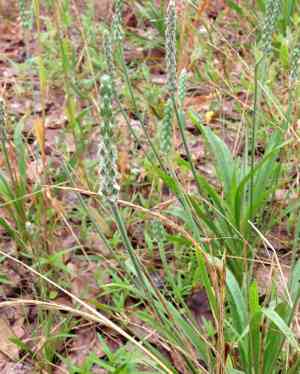
Tallow weed (Plantago hookeriana)
Also known as: Hooker's plantain, Hooker's Indianwheat
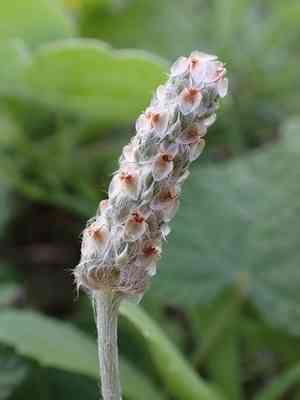
This species is an annual herb that originates from a taproot system. Its leaves are generally linear or lanceolate in shape, typically smaller but can grow up to 30 centimeters in length. The inflorescence is characterized by a slender spike, extending up to 12 centimeters. Each tiny flower within the spike features whitish corolla lobes adorned with brown spots or streaks.
In This Article
Attributes of Tallow weed
Lifespan
Annual
Plant Type
Herb
Plant Height
0 mm to 30 cm
Spread
15-20 cm
Leaf Color
Green
Flower Size
0.2-0.3 cm
Flower Color
White or pale
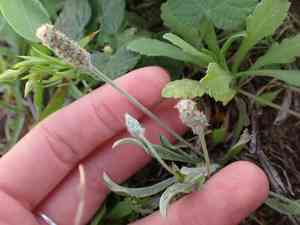
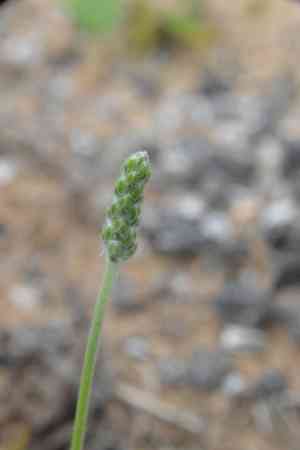
Images of Tallow weed

Quickly Identify Tallow weed
1
Plantago hookeriana can be identified by its lance-shaped leaves growing in a rosette form at the base. The leaves have prominent veins and are quite hairy. The flower spike is tall and slender, with small, inconspicuous flowers.
Scientific Classification of Tallow weed
Phylum
Vascular plants
Class
Dicotyledons
Order
Lamiales
Family
Plantain
Genus
Plantains
Species
Tallow weed
Planting and Growing of Tallow weed
Care Difficulty
Easy
Watering Schedule
Every 4 days
Sunlight Requirements
Full sun
Sunshine Duration
4-6 hours
Ideal Temperature
60-75℉
Soil Type
Potting Mix, Peat Mix
Soil pH
6.5-7.5
Fertilizer Type
Balanced
Pruning Season
Spring, Summer
Pruning Area
Branches, Leaves
Pruning Frequency
2 times a year
Repotting Season
Spring
Pot Type
Plastic, Ceramic
 How to Water Tallow weed?
For Plantago hookeriana, the watering amount should be around 150 milliliters per session. This amount ensures that the soil is adequately moist but not waterlogged. The principle here is to water thoroughly until water starts to drain out of the bottom of the pot, ensuring the soil has absorbed enough moisture.
What are the symptoms of an underwatered Tallow weed?
›
What should I do if my Tallow weed is not getting enough water?
›
What are the symptoms of an overwatered Tallow weed?
›
How to save an overwatered Tallow weed?
›
 What Are the Sunlight Requirements for Tallow weed?
Plantago hookeriana prefers a range allowing full to partial sun exposure, ideally with more than six hours of sunlight. Such exposure ensures the plant maintains strong growth, deep-green foliage, and overall vitality.
What is the ideal amount of sunlight for Plantago hookeriana?
›
How to ensure Plantago hookeriana receives the ideal light?
›
What are the benefits of optimum lighting for Plantago hookeriana?
›
 What Is the Ideal Temperature Range for Tallow weed?
For optimal growth, Plantago hookeriana prefers a temperature range between 60°F and 75°F. Within this range, the plant can efficiently perform photosynthesis and other metabolic activities, ensuring robust growth and development. Staying within these temperatures helps avoid stress conditions that could inhibit plant health.
 What Soil is Best for Tallow weed?
Plantago hookeriana thrives in soils with good moisture retention capabilities, providing a stable environment for root development and nutrient uptake. Loam and sandy loam are ideal for striking the perfect balance between moisture retention and drainage, ensuring the plant remains hydrated without becoming waterlogged. This plant prefers soils rich in organic matter, which supply essential nutrients required for healthy growth. A nutrient-rich soil enhances the plant's ability to produce lush foliage and promotes robust flowering. It’s crucial to enrich the soil with compost or well-decomposed manure to improve fertility. Adequate soil aeration is important for Plantago hookeriana, as it allows roots to breathe and facilitates the exchange of gases. Well-aerated soils prevent root rot and encourage deeper root growth, which strengthens the plant's foundation and increases resilience to stress factors.
 How to Fertilize Tallow weed?
For optimal growth, Plantago hookeriana should receive a balanced fertilizer mix, diluted to half strength. Apply approximately 10 mL per plant for liquid fertilizer, ensuring that the plant's roots can absorb the nutrients without the risk of over-fertilization.
 How to Prune Tallow weed?
Begin by sterilizing your pruning shears with alcohol to prevent disease transmission. Identify any dead or wilted leaves and remove them at their base. For crowded interior growth, thin the plant by cutting select stems just above a node—this will redirect the plant's energy to healthier sections. Regularly check for new emerging growth and shape the plant accordingly to maintain balance and aesthetics. Incorporate deadheading, which involves removing spent flower spikes to encourage the plant to shift its focus from seed production to new leaf or flower growth. This not only tidies the plant's appearance but also can prolong the blooming period. Maintain a consistent shape and size by trimming back overzealous growth, which helps prevent the plant from becoming too leggy.
More About Pruning Techniques→
 How to Propagate Tallow weed plant?
1
Collect ripe seeds from mature Plantago hookeriana plants. Clean them to remove any debris or pulp that might be attached.
2
Fill seed trays with potting mix and evenly distribute the seeds on the surface. Lightly cover them with a thin layer of soil.
3
Place trays in a warm, well-lit area. Ensure consistent moisture by misting regularly, but avoid waterlogging, which can harm germination.
 How to Repot Tallow weed plant?
1
Look for signs such as roots protruding through the drainage holes, slow growth, or the soil drying out quickly, indicating that Plantago hookeriana is root-bound. The ideal repotting time aligns with its growing season in spring or summer, ensuring minimal stress during active growth.
2
Opt for a pot that is 1-2 inches larger in diameter than the current one to provide ample space for root growth. Ensure the pot has drainage holes to prevent waterlogging, which could lead to root rot. Using a breathable material like terracotta can also aid in maintaining a healthy root environment.
3
Select a well-draining light soil mix to provide adequate aeration and moisture management. A mix containing perlite or coarse sand can enhance drainage, which is crucial for preventing root rot and supporting the plant’s health post-repotting.
Learn More About Tallow weed Diseases
Anthracnose
Bacterial Leaf Spot
Bacterial Soft Rot
Bacterial Wilt
Black Spot
Chemical Injury
Cyst Nematode
Damping-off
Downy Mildew
Drought Stress
Fusarium Wilt
Gray Mold
Leaf Curl
Leaf Spot
Mosaic
Nutrient Deficiency
Nutrient Toxicity
Powdery Mildew
Root Rot
Root-knot Nematode
Rusts
Sooty Mold
Spider Mites
Temperature Stress
Thrips Damage
White Mold



