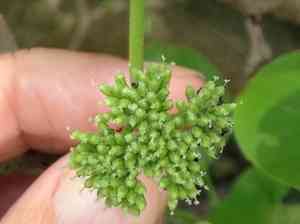
Water mampoo (Pisonia subcordata)
Also known as: Catchbird Tree, Birdcatcher Tree, Lechoso
The water mampoo plant stands out with its broad, heart-shaped leaves and sprawling growth pattern. Adapted to tropical environments, it has thick, woody stems and large leaves to compete for sunlight. Instead of relying on water, this plant produces sticky fruits that attach to birds, facilitating seed dispersal as the birds move around. This method ensures the seeds are spread across a wide area, enhancing the plant's chances of survival and growth in its native habitat.
In This Article
Attributes of Water mampoo
Lifespan
Perennial
Plant Type
Tree
Plant Height
Up to 15 meters
Spread
Up to 10 meters
Leaf Color
Green
Flower Size
Less than 1 centimeter
Flower Color
Greenish-white
Images of Water mampoo
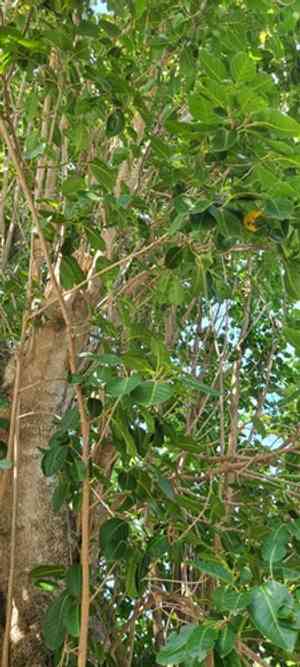
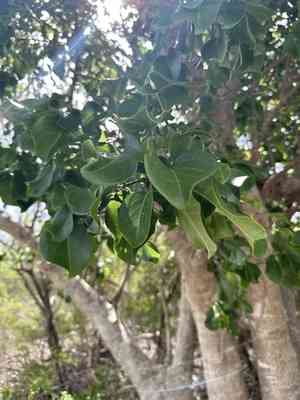
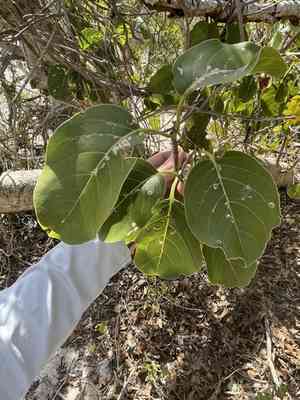

Quickly Identify Water mampoo
1
Identify Pisonia subcordata by its large, heart-shaped leaves and sticky fruit that adhere to feathers. The tree can be recognized by its dense, round canopy.
Scientific Classification of Water mampoo
Phylum
Vascular plants
Class
Dicotyledons
Order
Caryophyllales
Family
Four o'clock
Genus
Catchbirdtrees
Species
Water mampoo
Planting and Growing of Water mampoo
Care Difficulty
Moderate
Watering Schedule
Every 3 days
Sunlight Requirements
Full sun
Sunshine Duration
4-6 hours
Ideal Temperature
65-85℉
Soil Type
Potting Mix, Peat Mix
Soil pH
6.5-7.5
Fertilizer Type
Balanced
Pruning Season
Spring, Summer
Pruning Area
Branches, Leaves
Pruning Frequency
2 times a year
Repotting Season
Spring
Pot Type
Ceramic, Plastic
 How to Water Water mampoo?
Pisonia subcordata requires moderate watering. Ensure the soil is thoroughly moistened, but not waterlogged, each time. You should aim for about 500 ml of water per session, which allows the soil to absorb enough water while preventing excess moisture build-up.
What are the symptoms of an underwatered Water mampoo?
›
What should I do if my Water mampoo is not getting enough water?
›
What are the symptoms of an overwatered Water mampoo?
›
How to save an overwatered Water mampoo?
›
 What Are the Sunlight Requirements for Water mampoo?
The ideal light range for Pisonia subcordata is full to partial sun exposure, as this promotes vigorous growth, vibrant leaf color, and optimal plant health by leveraging photosynthesis efficiently.
What is the ideal amount of sunlight for Pisonia subcordata?
›
How can I ensure Pisonia subcordata receives its ideal lighting conditions?
›
What benefits does ideal lighting provide to Pisonia subcordata?
›
 What Is the Ideal Temperature Range for Water mampoo?
The ideal temperature range for Pisonia subcordata is between 65°F and 85°F. In this range, the plant can thrive, performing essential functions such as photosynthesis efficiently. This temperature range ensures the plant's cellular processes operate optimally, supporting healthy growth and development.
 What Soil is Best for Water mampoo?
Pisonia subcordata thrives in well-draining soil to prevent root rot. Adequate drainage enhances root oxygenation and nutrient uptake, fostering robust growth and resilience. Moderate soil fertility ensures Pisonia subcordata receives sufficient nutrients without the risk of excessive nutrient accumulation. This balance supports healthy development and vibrant foliage. A soil rich in organic matter provides essential nutrients and improves soil structure. Organic content aids in moisture retention and enhances microbial activity, benefiting plant health.
 How to Fertilize Water mampoo?
For Pisonia subcordata, striking the right balance in fertilizer quantity is crucial. Typically, a dilute solution of liquid fertilizer should be provided, ensuring it is no more than half the recommended strength to avoid overwhelming the plant. For slow-release granules, a light sprinkle around the base, avoiding direct contact with the stem, should suffice. This ensures adequate nutrient provision without root damage.
 How to Prune Water mampoo?
Start by identifying branches that cross or grow inward, and cut them back to open up the plant's center for better airflow. Use precise cuts at a 45-degree angle to encourage new growth and prevent water damage. Ensure the plant maintains a balanced shape by trimming longer branches to encourage symmetry. Regular pruning in this manner helps in creating an even canopy and reduces top-heavy growth, which can be susceptible to wind damage.
More About Pruning Techniques→
 How to Propagate Water mampoo plant?
1
To propagate via seeds, collect ripe seeds from a healthy plant. For cuttings, use sterilized pruning shears to take 4-6 inch segments from semi-hardwood areas of the plant.
2
For seeds, fill a seed tray with a well-draining potting mix. For cuttings, use a mix of perlite and peat moss to enhance aeration and moisture retention.
3
Sow seeds lightly below the soil surface and water them gently. For cuttings, remove lower leaves, dip the cut end in rooting hormone, and plant it in the soil mix. Maintain a humid environment.
 How to Repot Water mampoo plant?
1
Signs that Pisonia subcordata needs repotting include roots growing out of the drainage holes, compacted soil, or stunted growth. Spring or early summer is an ideal time to repot, as the plant is actively growing and adapting well to new conditions.
2
Select a pot slightly larger than the current one with drainage holes to prevent waterlogging. A slightly bigger pot allows root expansion without overwhelming the plant, thereby supporting healthy growth and reducing transplant shock.
3
Opt for a well-draining potting mix, preferably one rich in organic matter. This type of soil ensures that the plant's roots have access to necessary nutrients, prevents root rot, and supports healthy development by retaining just the right amount of moisture.
Learn More About Water mampoo Diseases
Anthracnose
Bacterial Leaf Spot
Bacterial Soft Rot
Bacterial Wilt
Crown Gall
Damping-off
Downy Mildew
Drought Stress
Fusarium Wilt
Gray Mold
Leaf Curl
Leaf Spot
Mosaic
Nutrient Deficiency
Nutrient Toxicity
Powdery Mildew
Root Rot
Root-knot Nematode
Rusts
Sooty Mold
Spider Mites
Temperature Stress
Thrips Damage
White Mold



