
Smooth phlox (Phlox glaberrima)
Also known as: Smooth Phlox, Marsh Phlox
*Phlox glaberrima*, known as smooth phlox, is an erect, clump-forming perennial plant. It typically thrives in moist meadows, lowland forests, and near riverbanks. This plant is also known for attracting butterflies, moths, and bees.
In This Article
Attributes of Smooth phlox
Lifespan
Perennial
Plant Type
Herb
Plant Height
61 cm to 1.2 m
Spread
60 cm to 75 cm
Leaf Color
Green
Flower Size
2.5 cm
Flower Color
Pink Purple
Images of Smooth phlox

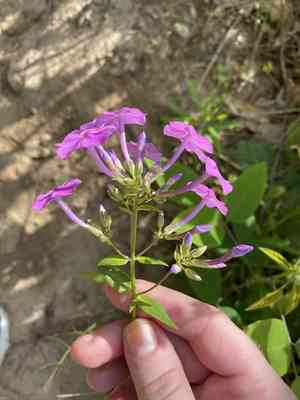
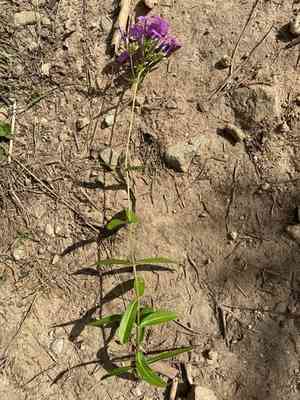

Quickly Identify Smooth phlox
1
Tall blooms in rose to purplish hues reaching 2-3 feet (60-90 cm) in spring.
2
Glabrous, lanceolate leaves with a prominent central vein and shiny, deep green color.
3
1-inch (2.5 cm) flowers with 5 flat, rounded petals emit a delicate fragrance.
4
Fruit is a narrow seed capsule holding tiny seeds, present from June to July.
5
Leaves arranged in 10-20 opposite pairs, thick, hairless, with pointed tips and rounded base.
Scientific Classification of Smooth phlox
Phylum
Vascular plants
Class
Dicotyledons
Order
Ericales
Family
Phlox
Genus
Phloxes
Species
Smooth phlox
Planting and Growing of Smooth phlox
Care Difficulty
Easy
Watering Schedule
Every 8 days
Sunlight Requirements
Full sun
Sunshine Duration
4-6 hours
Ideal Temperature
65-75℉
Soil Type
Potting Mix, Peat Mix
Soil pH
6.5-7.5
Fertilizer Type
Balanced
Pruning Season
Spring, Summer
Pruning Area
Branches, Leaves
Pruning Frequency
2 times a year
Repotting Season
Spring
Pot Type
Plastic, Ceramic
 How to Water Smooth phlox?
Phlox glaberrima prefers moist but well-drained soil. You should aim to provide consistent moisture without letting the plant's roots sit in water. Pour water until the soil is thoroughly moistened but avoid excess runoff.
What are the symptoms of an underwatered Smooth phlox?
›
What should I do if my Smooth phlox is not getting enough water?
›
What are the symptoms of an overwatered Smooth phlox?
›
How to save an overwatered Smooth phlox?
›
 What Are the Sunlight Requirements for Smooth phlox?
Phlox glaberrima benefits from full to partial sun exposure, or approximately 6 to 8 hours. This amount of light supports healthy flowering and overall plant development.
More About Sunlight Requirements Techniques→
How much sun does Phlox glaberrima need?
›
What is necessary to achieve ideal lighting?
›
What benefits does ideal lighting provide?
›
 What Is the Ideal Temperature Range for Smooth phlox?
Phlox glaberrima thrives best in a temperature range of 65 to 75°F. This range supports healthy growth and flower development, ensuring that the plant exhibits vibrant blooms and robust foliage.
 What Soil is Best for Smooth phlox?
Phlox glaberrima thrives in well-drained soil, which prevents waterlogging and root rot. Proper drainage allows for adequate air circulation around the roots, promoting healthy growth and vibrant blooms. Enriched with organic matter, the soil provides essential nutrients to Phlox glaberrima. This enriches the soil structure, enhancing water retention and nutrient availability for a robust and flourishing plant. The plant prefers soil with a neutral to slightly acidic pH, allowing it to absorb nutrients efficiently. This pH range fosters the optimal growth environment, leading to luxuriant foliage and lush flowers.
 How to Fertilize Smooth phlox?
For Phlox glaberrima, use a balanced 10-10-10 liquid fertilizer diluted to half strength, approximately 1/2 teaspoon per gallon of water, ensuring even distribution around the base of the plant. Be cautious not to oversaturate the soil, which might burn the roots.
 How to Prune Smooth phlox?
Make sure your pruning shears are sharp and clean before you begin. Dull tools can damage the stems, making them more susceptible to diseases. Clean your tools with a disinfectant after use to prevent the spread of pathogens. Phlox glaberrima blooms best if not pruned too aggressively just before or during its blooming period. It's best to perform major pruning right after the flowering to avoid removing next year's flower buds. Late season pruning should be minimal to ensure the plant's energy is not depleted before winter.
More About Pruning Techniques→
 How to Propagate Smooth phlox plant?
1
Start by filling a seed tray with a quality potting mix. Sow the seeds on the surface and lightly cover them with soil. Keep the soil moist and place the tray in a warm, well-lit area.
2
Select healthy stems from the Phlox glaberrima and use pruning shears to cut 4- to 6-inch sections just below a leaf node. Remove any leaves from the lower part of the cuttings.
3
Gently dig up the parent plant using a garden spade. Carefully separate the roots into smaller sections, ensuring each has shoots and roots. Replant the divisions immediately.
 How to Repot Smooth phlox plant?
1
Phlox glaberrima signals it needs repotting when roots start emerging from drainage holes or growth significantly slows down. Early spring or early autumn provide ideal mild weather conditions for minimal stress repotting.
2
Select a pot slightly larger than the current one, with at least one good drainage hole. This prevents waterlogging and promotes healthier root growth. Choose sturdy materials to protect against potential tipping.
3
Opt for well-draining loamy soil enriched with compost. This mix retains necessary moisture while preventing water overload, ensuring root rot is kept at bay and providing essential nutrients for robust growth.



