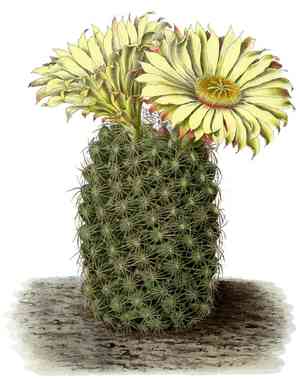
Chaparral pricklypear (Opuntia oricola)
Also known as: Chaparral Prickly Pear, Hardy Opuntia
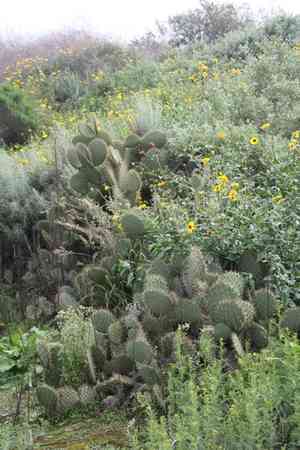
The Chaparral pricklypear (Opuntia oricola) is native to coastal sage scrub and chaparral regions in California and Baja California. This bushy, tree-like cactus produces vibrant yellow to orange flowers in the spring. Its fruit, known as "tuna," is pear-shaped, juicy, sweet, and edible.
In This Article
Attributes of Chaparral pricklypear
Lifespan
Perennial
Plant Type
Succulent
Plant Height
3 m
Spread
1.2 m
Leaf Color
Green
Flower Size
5 to 7 cm (2 to 2.8 inches)
Flower Color
Yellow Green Gold
Images of Chaparral pricklypear
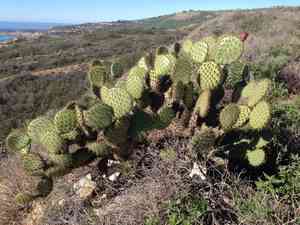
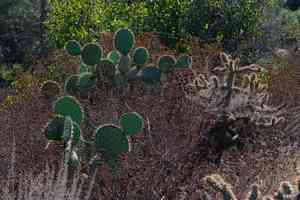
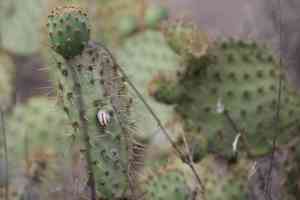
Quickly Identify Chaparral pricklypear
1
Opuntia oricola can be identified by its large, flat, rounded pad-like stems that are covered with spines. The pads are typically green and can grow quite large. It also produces bright yellow flowers that turn reddish as they age.
Scientific Classification of Chaparral pricklypear
Phylum
Vascular plants
Class
Dicotyledons
Order
Caryophyllales
Family
Cactuses
Genus
Prickly pear
Species
Chaparral pricklypear
Planting and Growing of Chaparral pricklypear
Care Difficulty
Easy
Watering Schedule
Every day
Sunlight Requirements
Full sun
Sunshine Duration
4-8 hours
Ideal Temperature
60-75℉
Soil Type
Potting Mix, Peat Mix
Soil pH
6.5-7.5
Fertilizer Type
Balanced
Pruning Season
Spring, Summer
Pruning Area
Branches, Leaves
Pruning Frequency
2 times a year
Repotting Season
Spring
Pot Type
Plastic, Ceramic
 How to Water Chaparral pricklypear?
Opuntia oricola, a desert native, requires watering that mimics its natural environment: infrequent but sufficient. Water deeply enough to moisten the soil to a depth of 6 inches, about 200 ml per watering session, and then let it dry completely between waterings to prevent root rot.
What are the symptoms of an underwatered Chaparral pricklypear?
›
What should I do if my Chaparral pricklypear is not getting enough water?
›
What are the symptoms of an overwatered Chaparral pricklypear?
›
How to save an overwatered Chaparral pricklypear?
›
 What Are the Sunlight Requirements for Chaparral pricklypear?
Opuntia oricola prefers full sun to partial sun conditions, basking in approximately six to eight hours daily. This exposure ensures healthy growth, vibrant color of its pads, and promotes flowering.
What is the ideal lighting for Opuntia oricola?
›
How to ensure Opuntia oricola receives ideal light exposure?
›
What are the benefits of optimal lighting for Opuntia oricola?
›
 What Is the Ideal Temperature Range for Chaparral pricklypear?
Opuntia oricola thrives best in temperatures ranging from 60°F to 75°F. Within this range, the plant's metabolic processes such as photosynthesis and respiration are optimized, allowing it to grow healthily and produce vibrant flowers.
 What Soil is Best for Chaparral pricklypear?
Opuntia oricola thrives in well-drained soil, which helps prevent root rot by ensuring that excess water does not accumulate around the roots. This is essential for cactus species that store water and are susceptible to fungal diseases in overly moist environments. While being drought-tolerant, this cactus benefits from a nutrient-rich soil that offers essential minerals for growth. Loam, which is a balanced mix of sand, silt, and clay, provides both the stability and nutrients needed for optimal growth. To promote healthy growth, Opuntia oricola requires soil that allows for proper air circulation. Sandy soil ensures air pockets within the root zone, facilitating gas exchange and promoting healthier roots.
 How to Fertilize Chaparral pricklypear?
For Opuntia oricola, the fertilizer amount should be moderate. Use a balanced, diluted liquid fertilizer, preferably at half strength, to prevent root burn. During each application, ensure the soil is moist to help the plant absorb nutrients efficiently. For solid fertilizers, use a slow-release cactus formula, applying between 1 to 2 tablespoons per application.
 How to Prune Chaparral pricklypear?
Begin by examining your cactus for any pads that are damaged, dead, or infested with pests. Use a sharp, clean pair of pruning shears to cut these pads off close to the joint. Always aim to make a clean cut to prevent infection. If you're pruning for shape, consider the overall aesthetics of your plant and make selective cuts to achieve the desired look. Ensure you wear gloves as Opuntia oricola has spines that can cause irritation.
More About Pruning Techniques→
 How to Propagate Chaparral pricklypear plant?
1
Choose a healthy, mature pad from the parent plant. Look for pads that are free from disease and have a vibrant color. A segment that is too young might not have the necessary nutrients, while an older segment could be more challenging to root.
2
Once the pad is selected, use a sterilized knife or shears to make a clean cut. Allow the pad to dry for a week in a warm, shaded area. This callusing period is essential to prevent rot when planted.
3
After the callusing period, plant the cutting in a well-draining cactus soil mix. Ensure the cut end is slightly buried and that the pad is upright. Water lightly after planting, being careful not to overwater.
 How to Repot Chaparral pricklypear plant?
1
Opuntia oricola usually signals the need to repot when its roots are visibly emerging from the drainage holes of the current pot or when growth appears stunted. Ideally, repot during active growth periods in spring or summer, ensuring minimal stress.
2
Choose a pot that is slightly larger than the current one, with good drainage. Cacti require quick drainage to avoid root rot, so a pot with multiple drainage holes is ideal. Materials like terracotta help absorb excess moisture, providing a suitable environment.
3
Use a mix specifically for cacti, characterized by its ability to drain quickly and retain less moisture. A good mix contains sand or small stones, ensuring aeration and preventing compaction, providing Opuntia oricola a perfect foundation to thrive.



