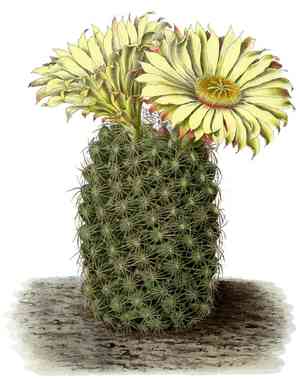
Erect prickly pear (Opuntia dillenii)
Also known as: Prickly Pear, Cactus Pear
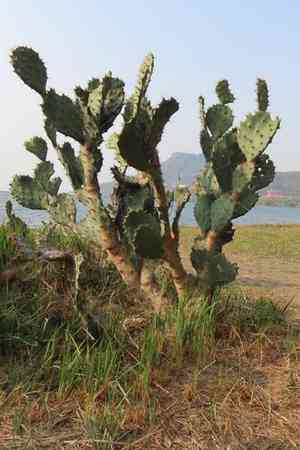
The erect prickly pear cactus, a shrub native to desert regions, thrives in dry, arid environments with well-draining sandy or rocky soil and abundant sunlight. Known for its vibrant yellow flowers and decorative stems, it has become invasive in parts of Australia, Asia, and Africa. Additionally, this cactus produces juicy, edible fruits that offer a balance of sweetness and acidity.
In This Article
Attributes of Erect prickly pear
Lifespan
Perennial
Plant Type
Succulent
Plant Height
1 m to 3 m
Spread
1 m
Leaf Color
Green (pads serve as the main photosynthetic organ)
Flower Size
5 cm to 7 cm
Flower Color
Yellow Green
Images of Erect prickly pear
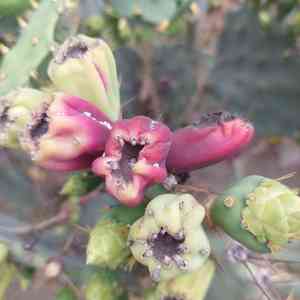
Quickly Identify Erect prickly pear
1
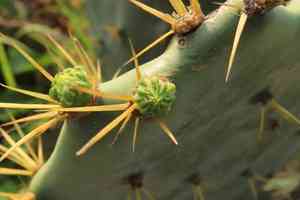
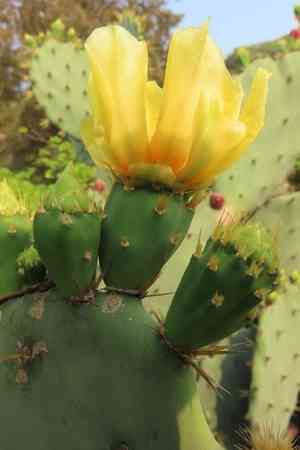
Opuntia dillenii is identified by its flat, paddle-shaped green pads which are covered in clusters of spines. The plant also produces yellow flowers that bloom in spring and summer, followed by red or purple, spiny fruit.
Scientific Classification of Erect prickly pear
Phylum
Vascular plants
Class
Dicotyledons
Order
Pinks, cacti, and allies
Family
Cactuses
Genus
Prickly pear
Species
Erect prickly pear
Planting and Growing of Erect prickly pear
Care Difficulty
Easy
Watering Schedule
Every 2 days
Sunlight Requirements
Full sun
Sunshine Duration
6-10 hours
Ideal Temperature
68-86℉
Soil Type
Potting Mix, Peat Mix
Soil pH
6-7.5
Fertilizer Type
Balanced
Pruning Season
Spring, Summer
Pruning Area
Branches, Leaves
Pruning Frequency
2 times a year
Repotting Season
Spring
Pot Type
Plastic, Ceramic
 How to Water Erect prickly pear?
For Opuntia dillenii, the watering amount should be carefully measured. Cacti prefer to dry out completely between waterings. When you water, provide about 100 ml of water, ensuring the soil is adequately moist but not saturated. It’s crucial to allow any excess water to drain away to prevent root rot.
What are the symptoms of an underwatered Erect prickly pear?
›
What should I do if my Erect prickly pear is not getting enough water?
›
What are the symptoms of an overwatered Erect prickly pear?
›
How to save an overwatered Erect prickly pear?
›
 What Are the Sunlight Requirements for Erect prickly pear?
With proper sun exposure throughout the day, Opuntia dillenii maintains ideal health, showing vibrant color and stronger pads. Constant adequate light encourages flowering and fruit production, enhancing the overall vitality.
More About Sunlight Requirements Techniques→
What is the ideal amount of sunlight for Opuntia dillenii?
›
How can I ensure Opuntia dillenii gets enough sunlight?
›
What are the benefits of ideal sunlight for Opuntia dillenii?
›
 What Is the Ideal Temperature Range for Erect prickly pear?
The ideal temperature range for Opuntia dillenii is between 68°F and 86°F. This range provides the optimal conditions for photosynthesis and growth. Maintaining this temperature ensures that the plant remains healthy, promoting robust growth and potentially enhancing flowering. Fluctuations beyond this range may stress the plant or hinder growth.
 What Soil is Best for Erect prickly pear?
Opuntia dillenii thrives in well-drained soil that prevents water accumulation around the roots, reducing the risk of root rot. Ensuring good drainage is crucial for maintaining a healthy cactus. This cactus can flourish in nutrient-poor soils, making it ideal for areas where more demanding plants might struggle. Minimal fertilization needs facilitate easier maintenance with less intervention. Adapted to arid conditions, Opuntia dillenii requires soil that can support its drought-tolerance, allowing it to store moisture efficiently and survive extended dry periods.
 How to Fertilize Erect prickly pear?
Opuntia dillenii, commonly known as the prickly pear cactus, requires minimal fertilization. Use a balanced liquid fertilizer diluted to half strength, approximately 10-10-10 NPK ratio, and apply around 200 ml per plant per session. Adjust according to plant size and soil condition.
 How to Prune Erect prickly pear?
Begin by assessing the natural shape of the Opuntia dillenii. Look for overgrown, damaged, or diseased pads and start by removing these. This maintains the cactus's health and encourages new growth. Cut back sections that are sprawling or creating an imbalance in shape. This not only improves aesthetics but also enhances light penetration, vital for healthy photosynthesis and growth. Opuntia dillenii has sharp spines, so wear heavy-duty gloves and protective clothing. Handle each pad with care to avoid injury and minimize stress to the plant.
 How to Propagate Erect prickly pear plant?
1
Collect mature seeds from ripe Opuntia dillenii fruits. Clean them thoroughly and let them dry before sowing to increase the germination success rate.
2
Using a sterilized knife, cut healthy pads from the parent plant. Let the cut ends callous over by drying them in a shaded area for a few days before planting.
3
For seeds, sow them in a well-draining cactus mix and lightly cover with soil. For cuttings, place the calloused ends into the soil mix without burying too deep.
 How to Repot Erect prickly pear plant?
1
Opuntia dillenii needs repotting primarily when it outgrows its pot or shows stunted growth. If roots are visible through drainage holes or the plant seems unstable, these are clear indicators. Repotting is best done during active growth periods in spring or summer to ensure quick recovery.
2
Select a pot that is one size up from the current one to allow for root growth. Opt for terracotta materials for better aeration, preventing root rot. Ensure it has ample drainage holes to allow excess water to escape, maintaining the right moisture level for optimal cactus health.
3
A well-draining cactus mix is crucial to prevent water retention that could lead to root rot. Consider blending it with pumice or perlite to enhance aeration. This soil mimics the cactus's natural habitat, supporting healthy root development and preventing overwatering issues.



