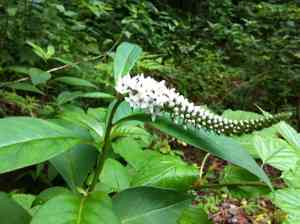
Manchurian yellow loosestrife (Lysimachia barystachys)
Also known as: Korean Loosestrife
The Manchurian yellow loosestrife is a perennial herb characterized by its upright, unbranched stems and narrow, lance-shaped leaves that grow in whorls. During the summer, it showcases tall clusters of small, bell-shaped flowers that are white with a yellow tint near the throat. This plant thrives in moist, shaded environments and spreads via rhizomes, creating dense, vibrant colonies in the understory.
In This Article
Attributes of Manchurian yellow loosestrife
Lifespan
Perennial
Plant Type
Herb
Plant Height
60 cm
Spread
45 cm
Leaf Color
Green
Flower Size
1 mm to 1 cm
Flower Color
White
Images of Manchurian yellow loosestrife
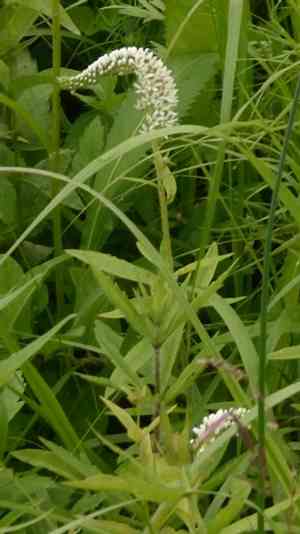
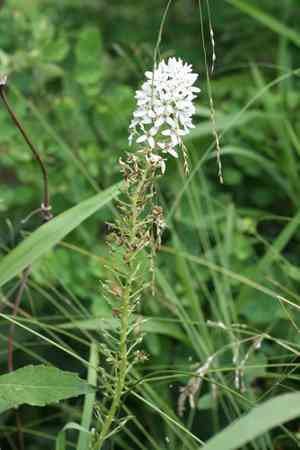
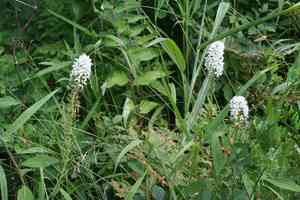
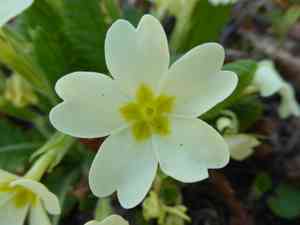
Quickly Identify Manchurian yellow loosestrife
1
Look for tall spikes of white flowers and elongated, lance-shaped leaves. The plant typically grows in moist, well-drained soils and often found in garden borders and watersides.
Scientific Classification of Manchurian yellow loosestrife
Phylum
Vascular plants
Class
Dicotyledons
Order
Ericales
Family
Primrose
Genus
Loosestrifes
Species
Manchurian yellow loosestrife
Planting and Growing of Manchurian yellow loosestrife
Care Difficulty
Moderate
Watering Schedule
Every 8 days
Sunlight Requirements
Partial sun
Sunshine Duration
4-6 hours
Ideal Temperature
60-75℉
Soil Type
Potting Mix, Peat Mix
Soil pH
6.5-7.5
Fertilizer Type
Balanced
Pruning Season
Spring, Summer
Pruning Area
Branches, Leaves
Pruning Frequency
2 times a year
Repotting Season
Spring
Pot Type
Plastic, Ceramic
 How to Water Manchurian yellow loosestrife?
For Lysimachia barystachys, an adequate watering amount is around 250 milliliters per session. It is essential to ensure the soil remains consistently moist but not water-logged. The key principle is to water until the soil feels damp upon pressing down lightly, without allowing excessive water to accumulate around the roots.
What are the symptoms of an underwatered Manchurian yellow loosestrife?
›
What should I do if my Manchurian yellow loosestrife is not getting enough water?
›
What are the symptoms of an overwatered Manchurian yellow loosestrife?
›
How to save an overwatered Manchurian yellow loosestrife?
›
 What Are the Sunlight Requirements for Manchurian yellow loosestrife?
Lysimachia barystachys prefers partial sun. Ideal lighting ensures robust growth, vivid foliage, and maximized flowering, contributing to overall plant health and display.
What is the ideal lighting condition?
›
How to achieve these lighting conditions?
›
What benefits come from ideal lighting?
›
 What Is the Ideal Temperature Range for Manchurian yellow loosestrife?
Lysimachia barystachys thrives best in moderate temperatures ranging from 60°F to 75°F. These temperatures support robust growth and ensure optimal flowering. Maintaining this range is crucial to mimic the plant's natural habitat for vibrant health.
 What Soil is Best for Manchurian yellow loosestrife?
Lysimachia barystachys thrives in well-drained soil to prevent waterlogging, which can lead to root rot. Ensuring good drainage enhances the plant's root health and overall growth. This plant requires soil rich in organic matter to fuel its growth and flowering. Nutrient-rich soil provides essential minerals, promoting lush foliage and vibrant blooms. While drainage is vital, the soil should also retain some moisture to sustain the plant. The right balance prevents drought stress, ensuring the plant remains healthy and vigorous.
 How to Fertilize Manchurian yellow loosestrife?
For Lysimachia barystachys, an appropriate amount of liquid fertilizer should be applied to ensure healthy growth. Use a balanced, water-soluble fertilizer diluted to half the recommended strength. Applying too much can lead to fertilizer burn, while too little won't provide sufficient nutrients.
 How to Prune Manchurian yellow loosestrife?
Use sharp, clean shears to make precise cuts. Begin pruning from the top of the plant, gradually working your way down, ensuring even coverage. Always cut just above a leaf node or bud to promote healthy regrowth. Wear gloves to protect your hands from potential allergens or irritants. Ensure you stand on stable ground, especially if pruning involves reaching higher branches, to prevent accidents.
More About Pruning Techniques→
 How to Propagate Manchurian yellow loosestrife plant?
1
Collect mature seeds from the plant in late summer or early autumn, ensuring they are dry and not diseased or damaged. Store them in a dry, cool place until ready for spring sowing.
2
Prepare a well-draining potting mix or garden bed in a sunny spot. Mix organic compost to enhance nutrient content in the soil for better growth.
3
When using division propagation, gently dig up mature plant clumps and separate them into smaller sections, ensuring each division has roots and shoots before replanting.
 How to Repot Manchurian yellow loosestrife plant?
1
Repot Lysimachia barystachys when you notice roots growing out of drainage holes or the soil drying out faster than usual. This indicates that it has outgrown its current pot and needs more space. Additionally, repotting when soil becomes compacted or nutrient-depleted can reinvigorate the plant.
2
Select a pot that is about one size larger than the current one, with sufficient drainage holes. A well-chosen pot prevents waterlogging and root rot, promotes healthy root growth, and ensures your plant does not become root-bound too quickly, supporting its overall health and growth.
3
Opt for a soil mix that provides excellent drainage, such as a blend of peat, perlite, and pine bark. This promotes air circulation around the roots and prevents water retention, which can lead to root rot. Well-draining soil supports nutrient absorption and encourages a robust root system.
Learn More About Manchurian yellow loosestrife Diseases
Anthracnose
Bacterial Leaf Spot
Bacterial Wilt
Black Spot
Chemical Injury
Crown Gall
Cyst Nematode
Damping-off
Downy Mildew
Drought Stress
Fusarium Wilt
Gray Mold
Leaf Curl
Leaf Spot
Mosaic
Nutrient Deficiency
Nutrient Toxicity
Powdery Mildew
Root Rot
Root-knot Nematode
Rusts
Sooty Mold
Spider Mites
Temperature Stress
Thrips Damage
White Mold



