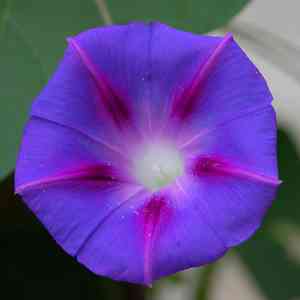
California desert-thorn (Lycium californicum)
Also known as: California Boxthorn
This shrub features rigid, spreading branches adorned with thorny protrusions. Its leaves are thick, fleshy, and bulbous, measuring between 3 to 10 mm in length and showcasing a green hue. The flowers of this plant are broadly triangular and bell-shaped, adorned with purple streaks or spots on a white background. It produces vibrant, shiny red berries that are 3 to 6 mm in diameter, containing oblong seeds within.
In This Article
Attributes of California desert-thorn
Lifespan
Perennial
Plant Type
Shrub
Plant Height
1 to 3 meters
Spread
1 to 3 meters
Leaf Color
Gray-green
Flower Size
0.5 to 1 centimeter
Flower Color
White to purple
Images of California desert-thorn

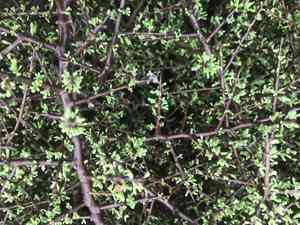
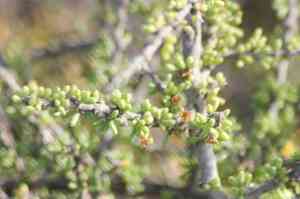
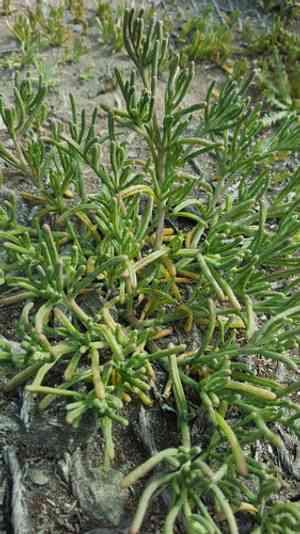
Quickly Identify California desert-thorn
1
To identify Lycium californicum, look for a shrub with gray-green leaves and small, tubular, white to purple flowers. The plant often has a thorny appearance and produces small red or orange berries.
Scientific Classification of California desert-thorn
Phylum
Vascular plants
Class
Dicotyledons
Order
Solanales
Family
Nightshade
Genus
Box-thorns
Species
California desert-thorn
Planting and Growing of California desert-thorn
Care Difficulty
Easy
Watering Schedule
Every 2 days
Sunlight Requirements
Full sun
Sunshine Duration
4-8 hours
Ideal Temperature
60-75℉
Soil Type
Potting Mix, Peat Mix
Soil pH
6.5-7.5
Fertilizer Type
Balanced
Pruning Season
Spring, Summer
Pruning Area
Branches, Leaves
Pruning Frequency
Once a year
Repotting Season
Spring
Pot Type
Plastic, Ceramic
 How to Water California desert-thorn?
Lycium californicum, commonly known as California Boxthorn, requires moderate watering. Ensure the soil is thoroughly soaked with approximately 500 ml of water during each session, allowing the water to penetrate down to the root zone. This helps promote healthy root growth.
What are the symptoms of an underwatered California desert-thorn?
›
What should I do if my California desert-thorn is not getting enough water?
›
What are the symptoms of an overwatered California desert-thorn?
›
How to save an overwatered California desert-thorn?
›
 What Are the Sunlight Requirements for California desert-thorn?
Lycium californicum thrives under full or partial sun, with 6 to 8 hours of daily sun fostering robust health. Ideal light exposure enables ample flowering and fruiting, enhancing both ornamental value and ecological contributions, essential for this hardy plant.
How much sun does Lycium californicum need?
›
Can Lycium californicum tolerate some shade?
›
What are the benefits of ideal sunlight?
›
 What Is the Ideal Temperature Range for California desert-thorn?
For optimal growth, Lycium californicum thrives within a temperature range of 60°F to 75°F. This ideal temperature range provides the plant with favorable conditions for metabolic processes and photosynthesis, ensuring healthy growth and development.
 What Soil is Best for California desert-thorn?
Lycium californicum thrives best in soil with excellent drainage. This prevents waterlogging which can lead to root rot. A well-draining soil ensures that the plant's roots have access to the oxygen they need, promoting healthier growth and vibrant foliage. The plant requires soil that contains essential nutrients for optimal growth. A balanced nutrient content supports the overall vitality of Lycium californicum, providing it with the necessary elements to produce lush foliage and healthy berries. While not extremely demanding, Lycium californicum benefits from moderate amounts of organic matter. This enhances soil structure, improves moisture retention, and provides a steady supply of nutrients, contributing to robust plant health.
 How to Fertilize California desert-thorn?
For Lycium californicum, use a balanced, water-soluble fertilizer with an NPK ratio of approximately 10-10-10. During the growing season, ensure each plant receives about 1/2 gallon of diluted liquid fertilizer per feeding to maintain optimal nutrient levels.
 How to Prune California desert-thorn?
Before starting the pruning process, closely examine the plant to identify any dead or damaged branches. Removing these helps to prevent disease spread and promotes better air circulation within the plant. Gently trim the Lycium californicum to maintain its natural shape. This involves cutting back excessively long branches to ensure the plant retains a compact and tidy form, promoting uniform growth. Cut back old wood to encourage new shoots. Pruning the older branches stimulates the plant to produce fresh, vigorous growth, which can lead to more flowers and an overall healthy appearance.
More About Pruning Techniques→
 How to Propagate California desert-thorn plant?
1
Start by filling seed trays with a well-draining potting mix. Sow the Lycium californicum seeds on the surface, lightly covering them with soil. Maintain consistent moisture until germination.
2
Select healthy, non-flowering stems around 4-6 inches long for cuttings. Make a clean cut using sterile scissors, removing lower leaves to expose nodes for rooting.
3
Dip the cut end of the stems in rooting hormone to promote root development, then place in a medium with good aeration and drainage. Maintain humidity by covering with a clear plastic dome.
 How to Repot California desert-thorn plant?
1
Lycium californicum typically signals the need for repotting when its roots begin growing out of the drainage holes, or the plant shows signs of stunted growth. Spring or autumn is ideal for repotting as the plant is neither under the stress of extreme heat nor preparing for dormancy. During these seasons, the plant can adjust more seamlessly to a new pot.
2
Select a pot with sufficient drainage holes to avoid waterlogging. The size should be slightly larger than the current pot, allowing enough room for root expansion. A pot that's too large encumbers root development, while a smaller one might stifle growth. A terracotta pot is favorable as it allows better air exchange around the roots.
3
Opt for a well-draining sandy mix to mirror the plant’s natural habitat. This type of soil ensures excess moisture escapes quickly, preventing root rot while supporting adequate aeration. A cacti or succulent soil mix with added sand or grit fortifies the optimal conditions for growth.
Learn More About California desert-thorn Diseases
Anthracnose
Bacterial Leaf Spot
Bacterial Soft Rot
Bacterial Wilt
Black Spot
Chemical Injury
Crown Gall
Cyst Nematode
Damping-off
Downy Mildew
Drought Stress
Fusarium Wilt
Gray Mold
Leaf Curl
Leaf Spot
Mosaic
Nutrient Deficiency
Nutrient Toxicity
Powdery Mildew
Root Rot
Root-knot Nematode
Rusts
Sooty Mold
Spider Mites
Temperature Stress
Thrips Damage
White Mold



