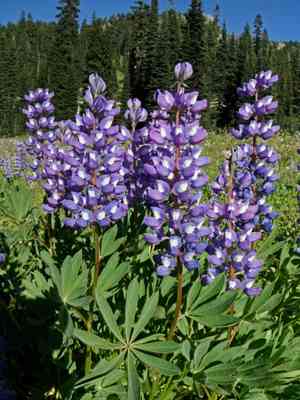
Arctic lupine (Lupinus arcticus)
Also known as: Arctic lupine
Arctic lupine (Lupinus arcticus), part of the legume family, produces tall spikes of pea-like flowers from a robust taproot. Seeds of this plant were once believed to be the oldest viable seeds ever found. However, carbon dating later disproved this, revealing the seeds were much younger than initially thought.
In This Article
Attributes of Arctic lupine
Lifespan
Perennial
Plant Type
Herb
Plant Height
20 cm to 38 cm
Spread
30 cm
Leaf Color
Green
Flower Size
1.02 cm to 1.5 cm
Flower Color
Purple Blue
Images of Arctic lupine
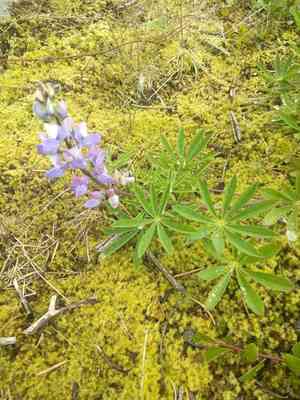
Quickly Identify Arctic lupine
1
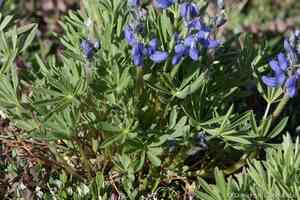
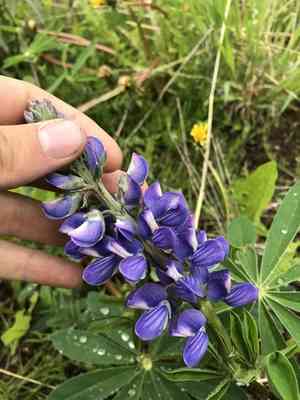
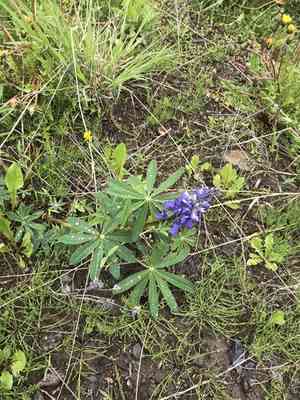
Lupinus arcticus can be identified by its dense clusters of blue to purple flowers, palmate leaves with 5-9 leaflets, and upright growth habit. It often has a woolly texture due to the fine hairs covering the plant.
Scientific Classification of Arctic lupine
Phylum
Vascular plants
Class
Dicotyledons
Order
Fabales
Family
Legume
Genus
Lupines
Species
Arctic lupine
Planting and Growing of Arctic lupine
Care Difficulty
Easy
Watering Schedule
Every 2 days
Sunlight Requirements
Full sun
Sunshine Duration
4-8 hours
Ideal Temperature
60-75℉
Soil Type
Potting Mix, Peat Mix
Soil pH
6.5-7.5
Fertilizer Type
Balanced
Pruning Season
Spring, Summer
Pruning Area
Branches, Leaves
Pruning Frequency
2 times a year
Repotting Season
Spring
Pot Type
Plastic, Ceramic
 How to Water Arctic lupine?
Lupinus arcticus, a resilient plant adapted to chilly climates, requires careful watering. Ensure the soil is moist but not waterlogged, indicating a balance is struck during irrigation. Water thoroughly until excess begins to drain from the bottom of the container.
What are the symptoms of an underwatered Arctic lupine?
›
What should I do if my Arctic lupine is not getting enough water?
›
What are the symptoms of an overwatered Arctic lupine?
›
How to save an overwatered Arctic lupine?
›
 What Are the Sunlight Requirements for Arctic lupine?
Lupinus arcticus thrives in conditions ranging from full sun to partial sun. Optimal light enhances photosynthesis, promoting healthy growth and vibrant flowering. Regular 6 to 8 hours of light exposure is ideal for ensuring the plant's sustained health and visual appeal.
More About Sunlight Requirements Techniques→
How much light does Lupinus arcticus need?
›
What if the plant gets too little sunlight?
›
How should the plant be positioned for ideal sunlight?
›
 What Is the Ideal Temperature Range for Arctic lupine?
For optimal growth of Lupinus arcticus, the temperature should typically range between 60°F to 75°F. This range supports efficient photosynthesis, essential metabolic activities, and overall healthy vegetative growth.
 What Soil is Best for Arctic lupine?
Lupinus arcticus thrives in well-drained soils, preventing root rot and ensuring better air circulation for roots, promoting healthy plant growth. This plant prefers soil with moderate fertility. Excess nutrients may lead to lush foliage but fewer flowers, so balanced fertility is ideal. Maintaining adequate moisture without waterlogging supports the plant's growth and bloom sizes, enhancing its overall vitality.
 How to Fertilize Arctic lupine?
Lupinus arcticus requires moderate fertilization. Use a balanced liquid fertilizer at half the recommended strength to avoid nutrient overload. Apply approximately 100 ml per plant base each time you fertilize. This ensures that the nutrients are sufficient to support its growth without causing harm.
 How to Prune Arctic lupine?
Begin by identifying any dead or diseased stems. Use sharp, clean pruning shears to cut these back to healthy tissue. It's vital to promote good air circulation for Lupinus arcticus, which can help prevent fungal issues. Trim back the plant's shoots to maintain a bushy and compact form. Make cuts just above a leaf node to encourage new growth. Ensure that you remove any spent flower stalks to redirect energy into new blooms. After flowering, cut back up to one-third of the plant. This drastic measure may seem bold, but it invigorates the plant, inducing robust growth and more vibrant flowers in subsequent seasons.
More About Pruning Techniques→
 How to Propagate Arctic lupine plant?
1
Begin by scarifying the seeds. Lupinus arcticus seeds have a hard outer coating that benefits from scarification to promote faster germination. This can be achieved by gently rubbing the seeds with sandpaper or soaking them overnight in warm water.
2
Sow the scarified seeds about 0.5 inches deep in the seed trays filled with a sterile potting mix. Make sure the soil is moist but not waterlogged. Cover the trays with a plastic lid or place them in a greenhouse to maintain humidity and warmth.
3
Once seedlings have developed a few true leaves, they are ready to be transplanted. Carefully move them outdoors to a sunny spot in the garden, ensuring each seedling is spaced at least 18 inches apart for optimal growth.
 How to Repot Arctic lupine plant?
1
Lupinus arcticus shows signs to repot when its roots start peeking out from drainage holes. Another indication could be the plant's growth slowing down considerably, as it signals root congestion. Best to do it in the fresh bloom of spring when the plant can safely establish itself in a new environment.
2
Opt for a pot that's about 2 inches wider than the current one. This allows room for root growth without overwhelming the plant with excess soil, which can hold too much water. Ensure it has good drainage holes to prevent waterlogging, a crucial step to keep root rot at bay.
3
Use a well-drained, sandy loam soil enriched with organic compost. This mixture allows for adequate moisture retention and aeration while providing essential nutrients. It imitates the plant's natural habitat, helping to foster healthier growth.
Toxicity
Ingestion
WARNING
The judgment on toxicity and danger is for reference only. We DO NOT GUARANTEE any accuracy of such judgment. Therefore, you SHALL NOT rely on such judgment. It is IMPORTANT TO SEEK PROFESSIONAL ADVICE in advance when necessary.
Learn More About Arctic lupine Diseases
Anthracnose
Bacterial Leaf Spot
Bacterial Wilt
Crown Gall
Cyst Nematode
Damping-off
Downy Mildew
Drought Stress
Fusarium Wilt
Gray Mold
Leaf Spot
Mosaic
Nutrient Deficiency
Nutrient Toxicity
Powdery Mildew
Root Rot
Root-knot Nematode
Rusts
Sooty Mold
Spider Mites
Temperature Stress
Thrips Damage
White Mold



