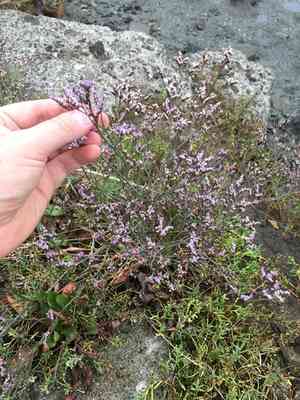
Algerian sea lavender (Limonium ramosissimum)
Also known as: Seaside Lavender, Bushy Sea Lavender
Sea Lavender (Limonium) is a perennial plant known for its clusters of small, delicate violet to blue flowers. It features elongated, leathery leaves arranged in a basal rosette, with sturdy stems that support branched flower clusters. This plant is well-adapted to coastal habitats and saline environments, often enhancing the vibrant colors and biodiversity of salt marshes and sandy shores.
In This Article
Attributes of Algerian sea lavender
Lifespan
Perennial
Plant Type
Herb
Plant Height
30-100 cm (12-39 inches)
Spread
Spreads 30-50 cm (12-20 inches)
Leaf Color
Green
Flower Size
Small, about 1 cm (0.4 inches)
Flower Color
Purple, Lavender
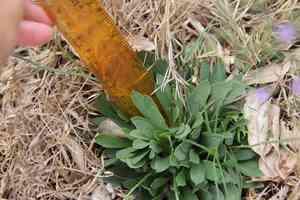
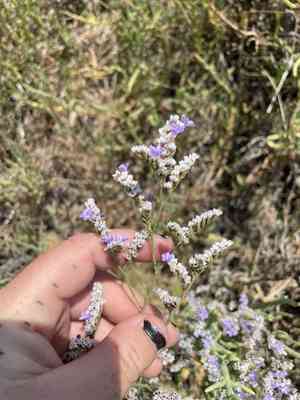
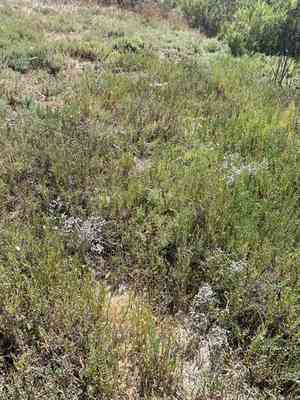
Images of Algerian sea lavender

Quickly Identify Algerian sea lavender
1
Limonium ramosissimum can be identified by its erect, bushy growth habit and its branched inflorescences that bear numerous small, papery flowers. The leaves are spoon-shaped to oblong and basal, and the plant often forms a rosette. The flowers have a distinct starry shape and are usually purple or lavender in color.
Scientific Classification of Algerian sea lavender
Phylum
Vascular plants
Class
Dicotyledons
Order
Caryophyllales
Family
Leadwort
Genus
Sea-lavenders
Species
Algerian sea lavender
Planting and Growing of Algerian sea lavender
Care Difficulty
Moderate
Watering Schedule
Every 2 days
Sunlight Requirements
Full sun
Sunshine Duration
6-8 hours
Ideal Temperature
60-75℉
Soil Type
Potting Mix, Peat Mix
Soil pH
6.5-7.5
Fertilizer Type
Balanced
Pruning Season
Spring, Summer
Pruning Area
Branches, Leaves
Pruning Frequency
2 times a year
Repotting Season
Spring
Pot Type
Plastic, Ceramic
 How to Water Algerian sea lavender?
For Limonium ramosissimum, apply about 250 milliliters of water each time, ensuring the soil is moistened but not waterlogged. It's important to allow the top layer of the soil to dry out slightly before the next watering session to avoid root rot.
What are the symptoms of an underwatered Algerian sea lavender?
›
What should I do if my Algerian sea lavender is not getting enough water?
›
What are the symptoms of an overwatered Algerian sea lavender?
›
How to save an overwatered Algerian sea lavender?
›
 What Are the Sunlight Requirements for Algerian sea lavender?
Partial to full sunlight is ideal, as it ensures vibrant blooms and healthy foliage. This range balances energy intake and growth demands effectively.
What is the ideal lighting for Limonium ramosissimum?
›
How can you achieve the ideal lighting conditions?
›
What benefits come from ideal lighting?
›
 What Is the Ideal Temperature Range for Algerian sea lavender?
Limonium ramosissimum thrives best in warm climates with temperatures ranging from 60°F to 75°F. This range ensures optimal growth and development, allowing the plant to produce vibrant flowers and healthy foliage.
 What Soil is Best for Algerian sea lavender?
Limonium ramosissimum thrives best in well-drained soils, which help prevent root rot by allowing excess water to escape easily. This drainage is crucial for maintaining healthy roots and promoting sustained growth. The plant prefers soil with moderate fertility, which provides essential nutrients without overwhelming the roots. This balance prevents nutrient overload, fostering a natural growth rhythm and enhancing bloom quality. Aerated soil enhances root respiration and prevents compactness. For Limonium ramosissimum, maintaining proper aeration promotes better nutrient uptake and overall health, leading to vibrant foliage and flowers.
 How to Fertilize Algerian sea lavender?
For Limonium ramosissimum, a moderate amount of fertilizer is key. When using liquid fertilizer, dilute it to half strength to avoid burning the roots. Generally, apply about 5 to 10 ml of liquid fertilizer per liter of water. For slow-release fertilizers, spread a thin layer around the base of the plant, ensuring it provides nutrients over a steady period without overwhelming the plant's system.
 How to Prune Algerian sea lavender?
Start your pruning session by identifying brown, wilted, or dead stems and remove them to maintain the plant's health and aesthetics. Trim the outer edges of the plant to maintain a rounded and compact shape. This encourages the plant to produce new, healthy growth towards the center, resulting in a bushier appearance. After the initial flowering season, prune spent blooms to encourage Limonium ramosissimum to produce additional flowers, extending the blooming period and maintaining visual interest.
More About Pruning Techniques→
 How to Propagate Algerian sea lavender plant?
1
Harvest seeds from mature Limonium ramosissimum plants during late summer. Ensure seeds are fully ripe to increase germination success.
2
Select healthy, non-flowering stems for cuttings. Cut about 10cm sections diagonally below a node. Remove any leaves from the lower half to reduce moisture loss.
3
Carefully dig up mature plants in early spring. Use a sharp spade to divide the root clump into smaller sections, each with roots and shoots. Replant immediately.
 How to Repot Algerian sea lavender plant?
1
Limonium ramosissimum shows obvious signs when it needs repotting: roots poking through drainage holes, soil compactness, and slowed growth. Spring or early summer is ideal, allowing the plant to recover swiftly as the weather warms.
2
Select a pot that is at least one size larger than the current one, with good drainage. This allows sufficient space for root growth and ensures excess water can escape, preventing root rot and keeping your plant healthy.
3
Opt for a well-draining, sandy soil mix, mimicking its natural habitat. This type of soil prevents waterlogging, enables oxygen flow to the roots, and provides a stable base for Limonium ramosissimum to thrive.
Learn More About Algerian sea lavender Diseases
Anthracnose
Bacterial Leaf Spot
Bacterial Soft Rot
Bacterial Wilt
Chemical Injury
Crown Gall
Cyst Nematode
Damping-off
Downy Mildew
Drought Stress
Fusarium Wilt
Gray Mold
Leaf Spot
Mosaic
Nutrient Deficiency
Nutrient Toxicity
Powdery Mildew
Root Rot
Root-knot Nematode
Rusts
Sooty Mold
Spider Mites
Temperature Stress
Thrips Damage
White Mold



