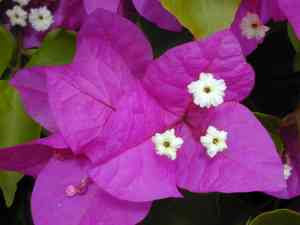
Shortsepal lewisia (Lewisia brachycalyx)
Also known as: Short-Sepped Lewisia
Shortsepal lewisia (Lewisia brachycalyx) is a hardy perennial appreciated for its suitability in rock gardens and alpine collections. This plant forms neat rosettes of succulent, evergreen leaves, which thrive in rocky, low-nutrient soils typical of high-altitude environments. Blooming from late spring to early summer, it produces clusters of bright, delicate flowers in shades of pink to white, offering a striking contrast to its sturdy foliage. Its low-growing, compact structure makes it an excellent addition to rock crevices and small garden spaces.
In This Article
Attributes of Shortsepal lewisia
Lifespan
Perennial
Plant Type
Herb, Succulent
Plant Height
5-15 cm
Spread
10-20 cm
Leaf Color
Green
Flower Size
2-3 cm
Flower Color
White Pink
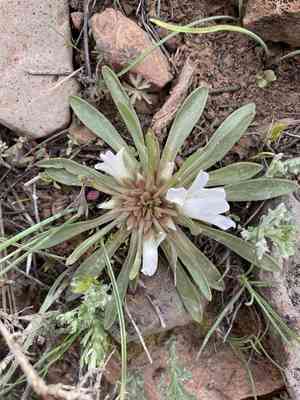
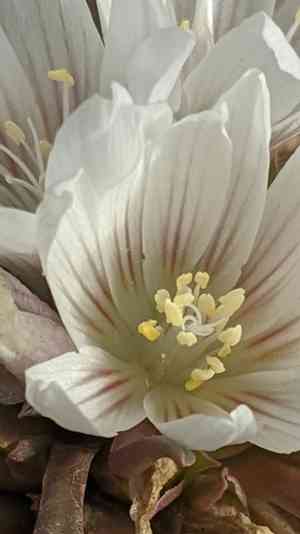
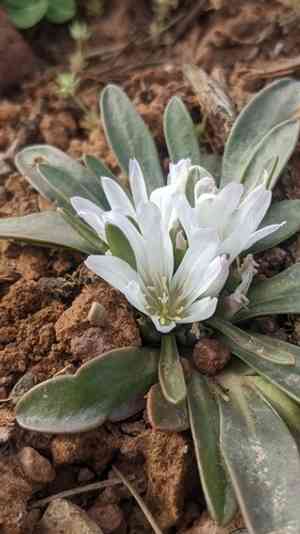
Images of Shortsepal lewisia

Quickly Identify Shortsepal lewisia
1
Lewisia brachycalyx can be identified by its fleshy, succulent leaves arranged in a basal rosette, and its pink to white flowers that have short sepals and broad petals.
Scientific Classification of Shortsepal lewisia
Phylum
Vascular plants
Class
Dicotyledons
Order
Caryophyllales
Family
Pussypaw
Genus
Lewisia
Species
Shortsepal lewisia
Planting and Growing of Shortsepal lewisia
Care Difficulty
Moderate
Watering Schedule
Every 2 days
Sunlight Requirements
Full sun
Sunshine Duration
4-6 hours
Ideal Temperature
60-75℉
Soil Type
Potting Mix, Peat Mix
Soil pH
6.5-7.5
Fertilizer Type
Balanced
Pruning Season
Spring, Summer
Pruning Area
Branches, Leaves
Pruning Frequency
2 times a year
Repotting Season
Spring
Pot Type
Plastic, Ceramic
 How to Water Shortsepal lewisia?
Water Lewisia brachycalyx with approximately 100 milliliters each time. Ensure that the soil is slightly moist but never soggy. Allow the top layer of soil to dry between waterings to avoid root rot.
What are the symptoms of an underwatered Shortsepal lewisia?
›
What should I do if my Shortsepal lewisia is not getting enough water?
›
What are the symptoms of an overwatered Shortsepal lewisia?
›
How to save an overwatered Shortsepal lewisia?
›
 What Are the Sunlight Requirements for Shortsepal lewisia?
Lewisia brachycalyx prefers a range from full to partial sun. Ideal lighting ensures enhanced flowering, robust growth, and resilience against environmental stresses, contributing to the overall health of the plant.
Question 1
›
Question 2
›
Question 3
›
 What Is the Ideal Temperature Range for Shortsepal lewisia?
For optimal growth, Lewisia brachycalyx thrives in temperatures ranging from 60°F to 75°F. This range ensures that the plant's metabolic processes occur efficiently, promoting healthy growth and flowering. Maintaining such temperatures supports chlorophyll function and maximizes photosynthesis, thereby enhancing the plant's overall vitality.
 What Soil is Best for Shortsepal lewisia?
Lewisia brachycalyx thrives in well-draining soil, which prevents root rot by allowing excess water to escape easily. This is crucial for the plant's health, as it originates from regions with infrequent rainfall. A well-draining substrate ensures that it doesn’t suffer from overwatering. Providing a nutrient-rich medium is essential for Lewisia brachycalyx. A loamy soil mixed with compost or organic matter enhances its growth by supplying essential nutrients naturally. This helps in sustaining the plant with necessary minerals for vibrant blossoming. While it does not require overly fertile soil, moderate fertility supports the plant's development without overwhelming its natural growth patterns. Adjusting the soil fertility to a balanced level helps in maintaining Lewisia's delicate ecology, promoting healthy foliage and blooms.
 How to Fertilize Shortsepal lewisia?
For Lewisia brachycalyx, it is recommended to apply liquid fertilizer diluted to half strength. Use about 10 ml of this liquid solution per application. For slow-release granular fertilizers, scatter approximately 5 grams per plant in the early growing season.
 How to Prune Shortsepal lewisia?
Begin by identifying any yellowing, dead, or damaged leaves. Gently isolate the leaf and make a clean cut at the base where it meets the stem. Focus on removing spent blooms promptly. This encourages the plant to divert energy towards new growth, enhancing its natural flowering cycle and overall vitality. Ensure all pruning tools are sanitized before and after use to prevent disease spread. Clean blades minimize the plant's risk of infection and aid in quicker recovery.
More About Pruning Techniques→
 How to Propagate Shortsepal lewisia plant?
1
Start by collecting seeds from mature plants during late summer or autumn. Clean the seeds and allow them to dry before storing them in a cool, dry place until early spring.
2
In early spring, sow the seeds in seed trays filled with a well-draining potting mix. Cover them lightly with soil and water gently to keep the substrate moist without waterlogging.
3
Divide mature Lewisia brachycalyx plants in late spring. Carefully use a hand trowel to separate sections of the plant, ensuring that each section has a healthy root system.
 How to Repot Shortsepal lewisia plant?
1
Lewisia brachycalyx signals that it's time to repot when you notice that its roots are visibly growing out of the bottom of the pot, or the plant's growth has notably slowed down. The best time for repotting is during its active growth phase in spring or autumn, allowing the plant to establish itself in its new environment without the stress of extreme temperatures.
2
When selecting a pot for Lewisia brachycalyx, make sure it has excellent drainage capabilities. A pot with plenty of drainage holes is a must to prevent water from stagnating at the roots, which can lead to root rot. The pot should be slightly larger than the current one to give the roots space to grow but not so large that the soil retains too much water.
3
The ideal soil for repotting Lewisia brachycalyx is a well-draining cactus mix, which mimics its natural habitat. This type of soil minimizes the risk of water retention and provides the plant with the gritty texture it needs to thrive. The blend typically includes elements like sand, perlite, or small gravel, promoting optimal airflow and drainage essential for the plant's health.



