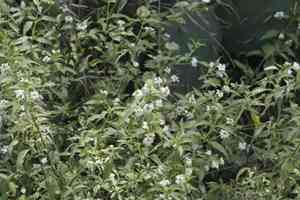
Brushland shrubverbena (Lantana achyranthifolia)
Also known as: Sticky Lantana
Lantana achyranthifolia, commonly known as the brushland shrubverbena, is a perennial woody shrub belonging to the Verbenaceae family.
In This Article
Attributes of Brushland shrubverbena
Lifespan
Perennial
Plant Type
Shrub
Plant Height
0.5 to 1.5 meters
Spread
1 to 2 meters
Leaf Color
Green
Flower Size
1 to 2 cm
Flower Color
Yellow, Orange
Images of Brushland shrubverbena
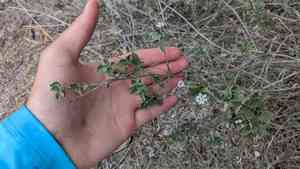
Quickly Identify Brushland shrubverbena
1
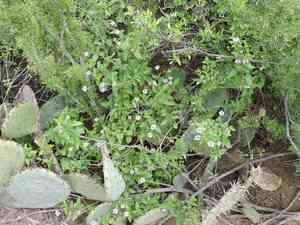
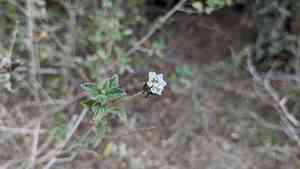
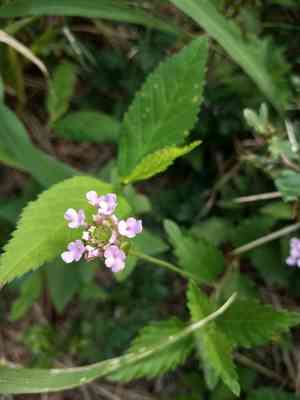
Lantana achyranthifolia can be identified by its sticky, aromatic leaves and small, tubular flowers that are usually yellow or orange. The plant often forms a low, sprawling shrub with thorny stems.
Scientific Classification of Brushland shrubverbena
Phylum
Vascular plants
Class
Dicotyledons
Order
Lamiales
Family
Verbena
Genus
Shrub verbenas
Species
Brushland shrubverbena
Planting and Growing of Brushland shrubverbena
Care Difficulty
Easy
Watering Schedule
Every 3 days
Sunlight Requirements
Full sun
Sunshine Duration
4-8 hours
Ideal Temperature
65-85℉
Soil Type
Potting Mix, Peat Mix
Soil pH
6.5-7.5
Fertilizer Type
Balanced
Pruning Season
Spring, Summer
Pruning Area
Branches, Leaves
Pruning Frequency
2 times a year
Repotting Season
Spring
Pot Type
Plastic, Ceramic
 How to Water Brushland shrubverbena?
Lantana achyranthifolia thrives well with moderate watering. You should allow the top layer of soil to dry out before watering again. When you do water, make sure the water penetrates at least a few inches into the soil to ensure the roots are adequately hydrated.
What are the symptoms of an underwatered Brushland shrubverbena?
›
What should I do if my Brushland shrubverbena is not getting enough water?
›
What are the symptoms of an overwatered Brushland shrubverbena?
›
How to save an overwatered Brushland shrubverbena?
›
 What Are the Sunlight Requirements for Brushland shrubverbena?
Lantana achyranthifolia flourishes with full sun exposure. This ideal condition enhances flowering frequency and contributes to lush, dense foliage that supports the plant’s ornamental qualities.
What is the ideal lighting condition?
›
How to ensure it receives ideal sunlight?
›
What benefits does the ideal light provide?
›
 What Is the Ideal Temperature Range for Brushland shrubverbena?
The ideal temperature range of 65-85°F for Lantana achyranthifolia ensures optimal growth and flowering. This subtropical plant thrives in warm climates, enabling photosynthesis and nutrient uptake at their most efficient rate, fostering lush foliage and vibrant blooms.
 What Soil is Best for Brushland shrubverbena?
Lantana achyranthifolia thrives in well-drained soil because it prevents root rot and allows the roots to expand efficiently. The drainage helps maintain an optimal balance of moisture and air, which is crucial for the plant's health and growth. This plant does not require high soil fertility and can tolerate moderate nutrient levels. Having soil with just the right nutrient levels prevents excessive growth and promotes the production of vibrant and plentiful blooms. A slightly alkaline tolerance means that the plant can adapt to a range of soil types, from slightly acidic to moderately alkaline. This adaptability allows the plant to establish itself in diverse environments without stress.
 How to Fertilize Brushland shrubverbena?
For Lantana achyranthifolia, it is vital to apply fertilizers judiciously. Use a balanced liquid fertilizer at half strength, approximately 10-10-10 NPK ratio. For slow-release fertilizers, incorporate around 25 grams per plant at the onset of the growing season to maintain steady nutrient availability.
 How to Prune Brushland shrubverbena?
Use clean, sharp pruning shears to ensure clean cuts and minimize damage. Always wear gloves as Lantana achyranthifolia can cause skin irritation. Be cautious of surrounding plants and structures while pruning to avoid accidental damage. After pruning, ensure the plant gets adequate water and sunlight to recover effectively. Consider applying mulch around the base to retain moisture and suppress weeds. Monitor for any signs of stress or disease following the pruning session.
More About Pruning Techniques→
 How to Propagate Brushland shrubverbena plant?
1
Begin by filling a seed tray with a suitable potting mix. Sow the seeds evenly across the surface and cover them lightly with more potting mix. Ensure the seeds are kept in a warm, bright location with indirect sunlight.
2
Choose healthy stems from the Lantana plant for cuttings. Using sharp pruners, make a clean cut just below a node. Remove any lower leaves for better root development before planting the cutting into a prepared potting mix.
3
Keep the trays or pots consistently moist but not waterlogged. Utilize a spray bottle for gentle watering and to maintain humidity around the seeds and cuttings. Regularly monitor for signs of disease or pest invasion.
 How to Repot Brushland shrubverbena plant?
1
Repotting Lantana achyranthifolia is best done when you notice roots protruding from the drainage holes or when growth seems stunted despite adequate care, indicating the plant has outgrown its current pot. This usually happens every 1-2 years.
2
Select a pot that is slightly larger than the current one, ideally 2 inches wider in diameter. A good pot ensures adequate space for root expansion and facilitates proper drainage, which is crucial for preventing root rot.
3
Opt for a well-draining potting mix to support healthy root development and prevent waterlogging. A mix with equal parts of peat moss, perlite, and coarse sand usually works well, providing the ideal balance of nutrients and drainage.
Toxicity
Ingestion
WARNING
The judgment on toxicity and danger is for reference only. We DO NOT GUARANTEE any accuracy of such judgment. Therefore, you SHALL NOT rely on such judgment. It is IMPORTANT TO SEEK PROFESSIONAL ADVICE in advance when necessary.
Learn More About Brushland shrubverbena Diseases
Anthracnose
Bacterial Leaf Spot
Bacterial Soft Rot
Bacterial Wilt
Black Spot
Chemical Injury
Crown Gall
Damping-off
Downy Mildew
Drought Stress
Fusarium Wilt
Gray Mold
Leaf Curl
Leaf Spot
Mosaic
Nutrient Deficiency
Nutrient Toxicity
Powdery Mildew
Root Rot
Root-knot Nematode
Rusts
Sooty Mold
Spider Mites
Temperature Stress
Thrips Damage
White Mold



