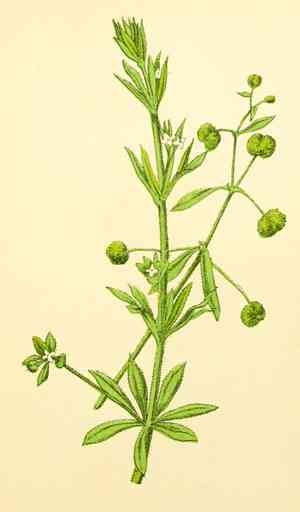
Fen bedstraw (Galium uliginosum)
Also known as: Fen Bedstraw, Marsh Bedstraw
Sweet Woodruff (Galium odoratum) is a native European plant often found in moist, shady environments. Historically, it was used as bedding because its leaves remain fluffy and don’t mat down. This plant features small, fragrant white flowers that bloom in the spring, making it a common sight in woodlands and damp areas.
In This Article
Attributes of Fen bedstraw
Lifespan
Perennial
Plant Type
Herb
Plant Height
5 cm to 30 cm
Spread
Typically does not form a significant crown
Leaf Color
Green
Flower Size
3 mm
Flower Color
White
Images of Fen bedstraw
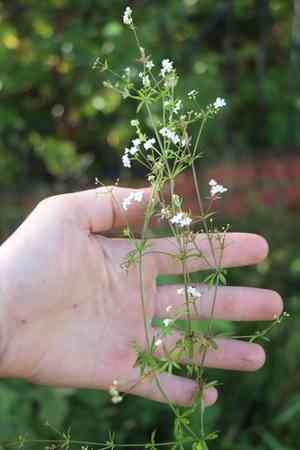
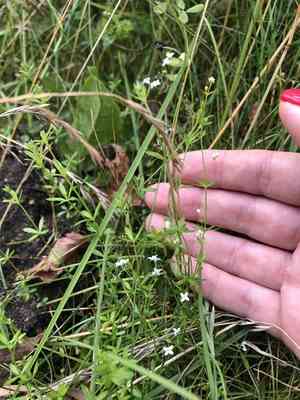
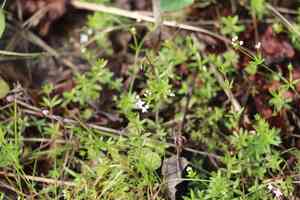
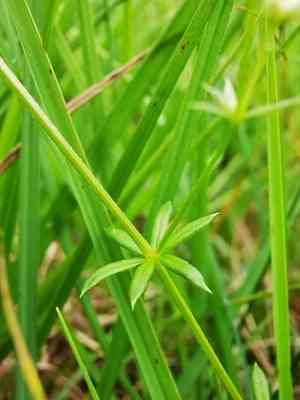
Quickly Identify Fen bedstraw
1
Identifying Galium uliginosum involves looking for its whorled leaves, which are generally in groups of six to eight around the stem, and its small, white, star-shaped flowers that bloom from June to August. The plant also tends to have a square stem.
Scientific Classification of Fen bedstraw
Phylum
Vascular plants
Class
Dicotyledons
Order
Gentianales
Family
Madder
Genus
Bedstraws
Species
Fen bedstraw
Planting and Growing of Fen bedstraw
Care Difficulty
Easy
Watering Schedule
Every 4 days
Sunlight Requirements
Partial sun
Sunshine Duration
4-8 hours
Ideal Temperature
59-68℉
Soil Type
Potting Mix, Peat Mix
Soil pH
5-7
Fertilizer Type
Balanced
Pruning Season
Spring, Summer
Pruning Area
Branches, Leaves
Pruning Frequency
2 times a year
Repotting Season
Spring
Pot Type
Plastic, Terracotta
 How to Water Fen bedstraw?
Galium uliginosum, commonly known as fen bedstraw, thrives in moist habitats. Each watering session should aim to provide around 250 ml of water. Ensure that the soil is evenly moist but not soggy. Water until it starts to drain slightly from the bottom of the pot, indicating that the roots have accessed adequate moisture.
What are the symptoms of an underwatered Fen bedstraw?
›
What should I do if my Fen bedstraw is not getting enough water?
›
What are the symptoms of an overwatered Fen bedstraw?
›
How to save an overwatered Fen bedstraw?
›
 What Are the Sunlight Requirements for Fen bedstraw?
Galium uliginosum thrives in partial sun conditions; this range contributes to optimal photosynthesis, resulting in robust growth, healthier foliage, and enhanced flowering capacity.
How much light does Galium uliginosum need?
›
What is the best location for growing Galium uliginosum?
›
How can you enhance the light conditions for Galium uliginosum?
›
 What Is the Ideal Temperature Range for Fen bedstraw?
Galium uliginosum thrives best in environments where the temperature ranges from 59°F to 68°F. This range ensures optimal enzymatic activities and photosynthesis rates, leading to healthier plant growth and development. It is important to maintain consistent temperatures within this range to cultivate vigorous plants.
 What Soil is Best for Fen bedstraw?
Galium uliginosum thrives in soils that retain moisture. Sandy soil with organic matter holds water well, providing an ideal environment for the plant to flourish. This benefits the plant by reducing water stress and ensuring consistent growth. Rich in nutrients, such as nitrogen and phosphorus, is crucial for Galium uliginosum. These nutrients support robust growth and vivid foliage, making loamy soil that is rich in organic matter particularly beneficial. Well-aerated soil prevents waterlogging and root rot, promoting healthy root development. Sandy loam soil offers a good balance of aeration and moisture retention, which is advantageous to the thriving development of Galium uliginosum.
 How to Fertilize Fen bedstraw?
For Galium uliginosum, it is essential to use a balanced fertilizer. The recommended amount is approximately 10 grams per square meter for solid fertilizers, or 1 tablespoon mixed with a gallon of water for liquid fertilizers. This ensures the plant receives sufficient nutrients without the risk of nutrient burn.
 How to Prune Fen bedstraw?
Before pruning your Galium uliginosum, familiarize yourself with its growth patterns. This plant tends to grow in dense clumps with slender stems. Focus on maintaining a tidy appearance and removing dead or damaged growth. Begin by cleaning your pruning shears to prevent disease. Remove any dead, damaged, or diseased stems first. Then, cut back leggy stems to encourage bushiness. Try to prune back to a node or just above a leaf pair, which will promote new shoots.
More About Pruning Techniques→
 How to Propagate Fen bedstraw plant?
1
Begin by sowing seeds in a seed tray filled with a mixture of soil and compost. Lightly cover the seeds with a thin layer of soil and water gently. Ensure the seeds are spaced appropriately to prevent overcrowding as they germinate.
2
For division propagation, carefully dig out the mature plant, ensuring you have a substantial root mass. Gently divide the plant into smaller sections, ensuring each section has a good amount of roots attached. Replant immediately to minimize stress.
3
Water the newly planted seeds or divisions thoroughly after planting. Keep the soil consistently moist, but avoid waterlogging, which can lead to root rot. Adjust watering frequency according to temperature and soil drainage conditions.
 How to Repot Fen bedstraw plant?
1
Galium uliginosum should be repotted when you notice roots growing through drainage holes, soil compacted and dry on the surface, or plant growth significantly slowed down despite optimal conditions. These signs typically indicate that the plant has outgrown its pot or that the soil has degraded, hindering nutrient absorption.
2
Opt for a pot that is 1-2 inches larger in diameter than the current one to give roots room to spread without excess soil that can lead to moisture retention. A clay or ceramic pot can provide breathability, while a container with adequate drainage holes will prevent waterlogging, keeping the roots healthy.
3
A well-draining loamy mix helps in maintaining the perfect balance of moisture and aeration. It allows excess water to escape and air to circulate, preventing root rot. This kind of soil typically comprises peat, perlite, or sand, providing the right texture and nutrient retention for Galium uliginosum.



