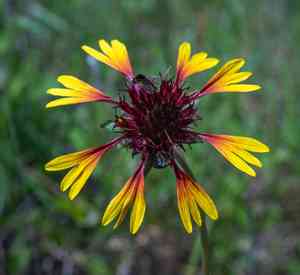
Lanceleaf blanketflower (Gaillardia aestivalis)
Also known as: Indian Blanket, Firewheel
The Black-eyed Susan (Rudbeckia hirta) is a perennial wildflower that displays large yellow petals with a dark center, blooming from spring through fall. This plant is highly attractive to butterflies and bees. It thrives in full sunlight and adapts well to various soil types, particularly well-drained conditions. Notably drought-tolerant, Black-eyed Susans are ideal for both rock gardens and regular flower beds. Their blossoms are notably durable and long-lasting.
In This Article
Attributes of Lanceleaf blanketflower
Lifespan
Perennial, Annual
Plant Type
Herb
Plant Height
30 cm to 46 cm
Spread
20 cm to 30 cm
Leaf Color
Green Gray Silver
Flower Size
2.5 cm to 8 cm
Flower Color
Yellow Purple Red Brown
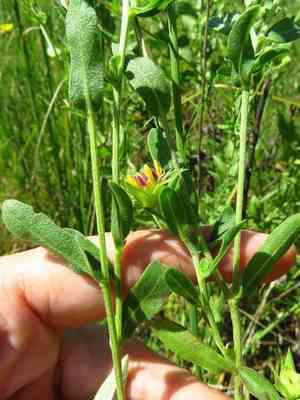
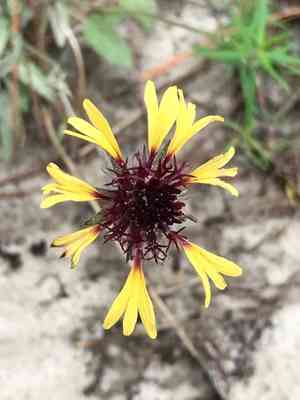
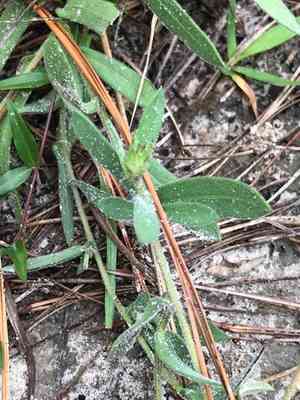
Images of Lanceleaf blanketflower

Quickly Identify Lanceleaf blanketflower
1
Large compound flowers with vivid yellow hue, up to 3 inches (7.6 cm) across.
2
Pinwheel-shaped ray flowers in vibrant yellow transitioning to orange-brown underneath.
3
Small achenes with tufts of white hairs for wind dispersal, approximately 1/16 inch (1.6 mm).
4
Lance-shaped leaves in a rosette, 2-4 inches (5-10 cm) long, with textured gray-green appearance.
5
Erect stem, up to 2 feet (60 cm) high, slender with occasional purplish hue, sparsely branched.
Scientific Classification of Lanceleaf blanketflower
Phylum
Vascular plants
Class
Dicotyledons
Order
Asterales
Family
Daisy
Genus
Blanket flowers
Species
Lanceleaf blanketflower
Planting and Growing of Lanceleaf blanketflower
Care Difficulty
Easy
Watering Schedule
Every 4 days
Sunlight Requirements
Full sun
Sunshine Duration
6-10 hours
Ideal Temperature
68-77℉
Soil Type
Potting Mix, Peat Mix
Soil pH
6.5-7.5
Fertilizer Type
Balanced
Pruning Season
Spring, Summer
Pruning Area
Branches, Leaves
Pruning Frequency
2 times a year
Repotting Season
Spring
Pot Type
Plastic, Ceramic
 How to Water Lanceleaf blanketflower?
Gaillardia aestivalis, commonly known as the Blanket Flower, prefers its soil to be well-draining and somewhat dry between watering sessions. Water the plant until the top layer of soil is moistened without being drenched, approximately 250 milliliters per session. This ensures the roots receive adequate hydration without waterlogging.
What are the symptoms of an underwatered Lanceleaf blanketflower?
›
What should I do if my Lanceleaf blanketflower is not getting enough water?
›
What are the symptoms of an overwatered Lanceleaf blanketflower?
›
How to save an overwatered Lanceleaf blanketflower?
›
 What Are the Sunlight Requirements for Lanceleaf blanketflower?
Gaillardia aestivalis thrives best under full sun conditions. Ideal light promotes dense flowering, enhances plant health, and supports rapid organic growth, ensuring a lush and vibrant presence in your garden.
More About Sunlight Requirements Techniques→
What type of sunlight does Gaillardia aestivalis thrive in?
›
How can I ensure Gaillardia aestivalis receives ideal lighting?
›
What benefits does ideal lighting provide to Gaillardia aestivalis?
›
 What Is the Ideal Temperature Range for Lanceleaf blanketflower?
The ideal temperature range for Gaillardia aestivalis lies between 68°F and 77°F. Within this range, the plant can photosynthesize effectively, leading to optimal growth and flowering. Ensuring consistent temperatures within this range helps maintain plant health, guaranteeing vibrant blooms and strong foliage.
 What Soil is Best for Lanceleaf blanketflower?
Gaillardia aestivalis thrives in well-drained soil which prevents root rot and other moisture-related diseases, enabling the plant to maintain healthy growth. Although adaptable, Gaillardia aestivalis benefits from soil enriched with organic matter, which supplies essential nutrients promoting vibrant blooms. A lightweight soil texture is ideal as it facilitates root expansion, ensuring the plant can anchor effectively and absorb nutrients efficiently.
 How to Fertilize Lanceleaf blanketflower?
Gaillardia aestivalis should be fertilized with a balanced low-nitrogen fertilizer. Use about one tablespoon of slow-release granular fertilizer per square foot in early spring. For liquid fertilizers, dissolve one teaspoon in one gallon of water and apply liberally.
 How to Prune Lanceleaf blanketflower?
Look for faded and spent flowers, as these can drain energy from the plant if left unchecked. Snip them just above the nearest leaf node to encourage the plant to produce new blooms. Cut back any overgrown or sprawling stems to maintain a neat appearance. This helps promote air circulation within the plant, reducing the risk of fungal diseases. Inspect the plant for any signs of disease or damage. Remove affected parts immediately to prevent spreading and to help the plant allocate resources to healthy growth.
More About Pruning Techniques→
 How to Propagate Lanceleaf blanketflower plant?
1
Begin by selecting mature seeds from a well-developed Gaillardia aestivalis plant. Soak the seeds overnight to enhance germination rates. Sowing should be done in a well-draining medium to avoid waterlogging.
2
Choose healthy shoots from the plant and cut them just below a node with pruning shears. It's important to use a sterile tool to prevent infections. Remove lower leaves to reduce transpiration.
3
Dip the cut end of the shoot in rooting hormone to promote root development. Plant the cutting into a prepared pot with a moist, sandy medium. Ensure stable support for the cutting to avoid displacement.
 How to Repot Lanceleaf blanketflower plant?
1
Gaillardia aestivalis, also known as the 'Blanket Flower,' signals its need for repotting when roots begin to outgrow the current container. If you notice roots protruding from the drainage holes or a significant decrease in growth rate, it's time to consider repotting. Ideally, this should occur before the new growth phase in spring or early summer.
2
When selecting a new pot for Gaillardia aestivalis, look for one that's slightly larger than its current home, ideally 1-2 inches wider in diameter. This size increase allows the roots ample room to expand without the excess soil retaining too much moisture, which could lead to root rot. Ensure the pot has adequate drainage holes to prevent waterlogging.
3
Opt for a well-draining potting mix specifically designed for flowering plants, as Gaillardia aestivalis thrives in soil that doesn’t hold excess moisture. A mix that contains ingredients like sand, perlite, or peat will provide the perfect balance, encouraging healthy root growth and vibrant blooms.
Learn More About Lanceleaf blanketflower Diseases
Anthracnose
Bacterial Leaf Spot
Bacterial Wilt
Chemical Injury
Crown Gall
Cyst Nematode
Damping-off
Downy Mildew
Drought Stress
Fusarium Wilt
Gray Mold
Leaf Spot
Mosaic
Nutrient Deficiency
Nutrient Toxicity
Powdery Mildew
Root Rot
Root-knot Nematode
Rusts
Sooty Mold
Spider Mites
Temperature Stress
Thrips Damage
White Mold



