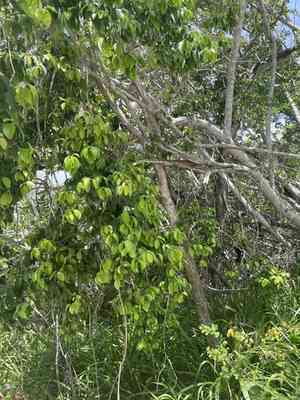
White stopper (Eugenia axillaris)
Also known as: White Stopper, Twinberry
The shrub you're referring to is likely the White stopper (*Eugenia axillaris*). This hardy, evergreen plant is native to tropical regions and is characterized by its dense foliage of small, glossy leaves. It produces subtly fragrant white to pale pink flowers, which are followed by edible, reddish-purple berries. Preferring well-drained soils, White stopper often forms dense thickets in its natural habitat, serving as an important food source for wildlife and a popular choice for ornamental gardens.
In This Article
Attributes of White stopper
Lifespan
Perennial
Plant Type
Tree
Plant Height
3.5 m to 11 m
Spread
2 to 5 meters
Leaf Color
Dark Green
Flower Size
0.5 to 1 cm
Flower Color
White to Pale Yellow
Images of White stopper
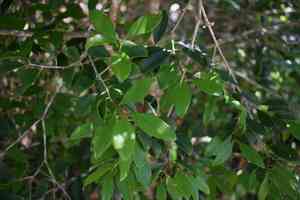
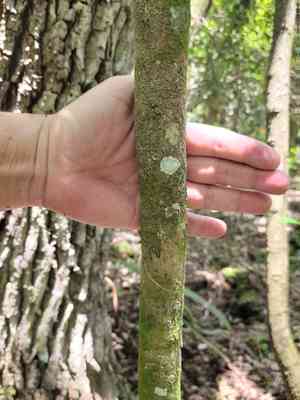
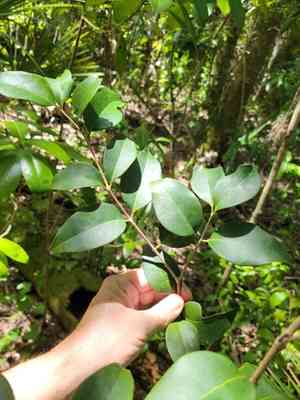
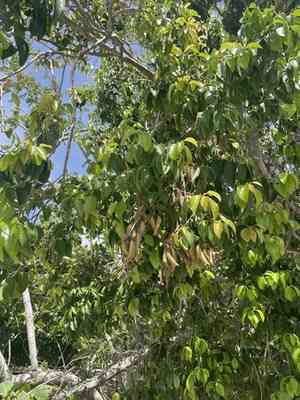
Quickly Identify White stopper
1
Eugenia axillaris can be identified by its glossy, dark green leaves which are opposite and simple. The bark is reddish-brown and peels off in flakes. It produces small, white to pale yellow flowers followed by black berries.
Scientific Classification of White stopper
Phylum
Vascular plants
Class
Dicotyledons
Order
Myrtales
Family
Myrtle
Genus
Stoppers
Species
White stopper
Planting and Growing of White stopper
Care Difficulty
Moderate
Watering Schedule
Every 3 days
Sunlight Requirements
Full sun
Sunshine Duration
4-8 hours
Ideal Temperature
60-75℉
Soil Type
Potting Mix, Peat Mix
Soil pH
6.5-7.5
Fertilizer Type
Balanced
Pruning Season
Spring, Summer
Pruning Area
Branches, Leaves
Pruning Frequency
2 times a year
Repotting Season
Spring
Pot Type
Plastic, Ceramic
 How to Water White stopper?
When watering the Eugenia axillaris, the goal is to keep the soil evenly moist without being overly saturated. A general rule of thumb is to provide about 500 milliliters of water per session, ensuring the soil is soaked but not waterlogged, allowing excess water to drain well.
What are the symptoms of an underwatered White stopper?
›
What should I do if my White stopper is not getting enough water?
›
What are the symptoms of an overwatered White stopper?
›
How to save an overwatered White stopper?
›
 What Are the Sunlight Requirements for White stopper?
Eugenia axillaris thrives best under full to partial sunlight conditions. Optimal sunlight exposure supports vigorous growth and enhances its natural blooms, contributing to a healthy and aesthetically pleasing plant.
What is the best light condition for Eugenia axillaris?
›
How to ensure Eugenia axillaris receives optimal sunlight?
›
What are the benefits of optimal sunlight for Eugenia axillaris?
›
 What Is the Ideal Temperature Range for White stopper?
Why is the 60-75°F range ideal for Eugenia axillaris? The temperature range of 60 to 75°F is considered ideal for Eugenia axillaris because it closely mimics the subtropical regions where this plant naturally thrives. This range ensures adequate physiological and metabolic activities, supporting healthy growth and foliage development.
 What Soil is Best for White stopper?
Eugenia axillaris thrives in well-drained soil, which prevents root rot by allowing excess water to escape. Proper drainage ensures healthy root development and optimal nutrient uptake. This plant prefers soil that is moderately fertile, providing essential nutrients without overwhelming the roots. Balanced fertility supports lush foliage and robust growth. Incorporating organic matter into the soil enhances moisture retention and aeration. Organic content maintains the soil structure, feeding the microbiome and fostering a thriving ecosystem for the plant.
 How to Fertilize White stopper?
For Eugenia axillaris, the recommended fertilizer amount varies based on its growth stage. Ideally, a balanced fertilizer like 10-10-10 should be used, applying about 1/2 pound per 100 square feet every year, ensuring even distribution to prevent nutrient burn.
 How to Prune White stopper?
Gather essential tools such as sharp pruning shears, a pair of gardening gloves, and a disinfectant. Ensure your shears are clean and sharp to make smooth cuts, preventing plant damage and disease spread. Inspect the plant for dead, diseased, or damaged branches. Removing these not only helps the plant focus energy on healthy growth but also reduces the risk of pest infestation and disease. Trim the plant to maintain its natural shape or to create a desired structure. Aim to create a balanced look by keeping the top slightly narrower than the base, ensuring sunlight reaches all parts of the plant. Prune just above leaf nodes to encourage new growth. This technique ensures denser foliage and promotes multiple blooming areas, enhancing the plant's overall appearance and vitality.
More About Pruning Techniques→
 How to Propagate White stopper plant?
1
Gather seeds from mature Eugenia axillaris fruits. Clean the seeds by removing any pulp before drying them thoroughly, as this prevents mold and improves storage life until planting.
2
Select healthy branches for cuttings, making a 4-6 inch cut below a node. This ensures that the cutting has enough stem and nodal points to encourage root growth when placed in rooting medium.
3
Plant seeds in seed trays with a well-draining mix or place cuttings in a sterile rooting medium, ensuring they are kept moist but not waterlogged to avoid fungal issues.
 How to Repot White stopper plant?
1
Eugenia axillaris needs repotting when you notice roots emerging from drainage holes, a noticeable decrease in growth rate, or when the soil dries out rapidly after watering. These signs suggest the plant has outgrown its pot and requires more space and nutrients to thrive.
2
Select a pot that is one size larger than the current one, with ample drainage holes to prevent root rot. A clay or ceramic pot is ideal as it helps with evaporating excess moisture, ensuring the roots do not stay waterlogged.
3
Use a well-draining acidic potting mix, ideally containing peat, pine bark, and perlite or sand. This composition provides excellent aeration and drainage, essential for healthy root development, while maintaining optimal pH.
Learn More About White stopper Diseases
Anthracnose
Bacterial Leaf Spot
Black Spot
Chemical Injury
Crown Gall
Cyst Nematode
Damping-off
Drought Stress
Fusarium Wilt
Gray Mold
Leaf Curl
Leaf Spot
Mosaic
Nutrient Deficiency
Nutrient Toxicity
Powdery Mildew
Root Rot
Root-knot Nematode
Rusts
Sooty Mold
Spider Mites
Temperature Stress
Thrips Damage



