
Coast wallflower (Erysimum ammophilum)
Also known as: Sand Dune Wallflower
The coast wallflower (Erysimum ammophilum) is a remarkable plant well-suited for sandy environments, commonly found on coastal dunes. Its deep taproots help anchor it in loose soil and access water from deeper layers, while its waxy leaves minimize water loss. The plant's bright yellow flowers not only add beauty but also attract pollinators, ensuring reproduction despite the challenging conditions. Additionally, its salt tolerance allows it to thrive in the salty air of coastal regions.
In This Article
Attributes of Coast wallflower
Lifespan
Perennial
Plant Type
Herb
Plant Height
30-60 cm
Spread
20-30 cm
Leaf Color
Green
Flower Size
2-3 cm
Flower Color
Yellow to Orange
Images of Coast wallflower
Quickly Identify Coast wallflower
1
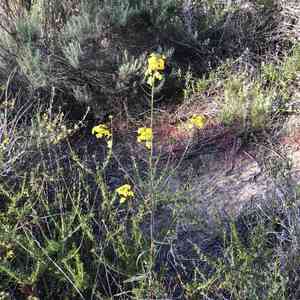
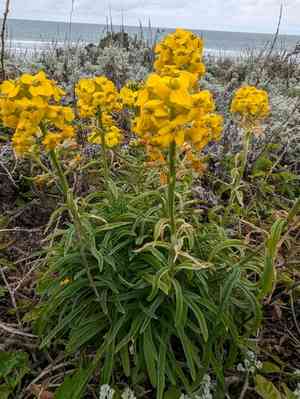
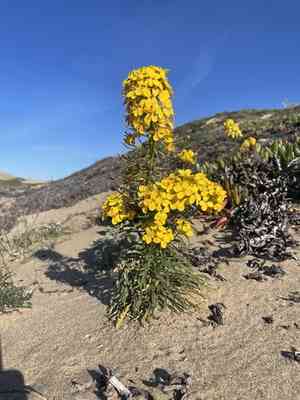
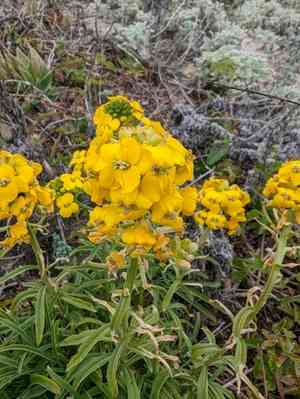
Erysimum ammophilum can be identified by its narrow, lanceolate leaves and bright yellow to orange flowers which bloom in clusters. The plant typically exhibits a rosette form at the base and erect flowering stems.
Scientific Classification of Coast wallflower
Phylum
Vascular plants
Class
Dicotyledons
Order
Brassicales
Family
Cruciferae
Genus
Wallflower
Species
Coast wallflower
Planting and Growing of Coast wallflower
Care Difficulty
Moderate
Watering Schedule
Every 3 days
Sunlight Requirements
Full sun
Sunshine Duration
4-6 hours
Ideal Temperature
59-77℉
Soil Type
Potting Mix, Peat Mix
Soil pH
6.5-7.5
Fertilizer Type
Balanced
Pruning Season
Spring, Summer
Pruning Area
Branches, Leaves
Pruning Frequency
2 times a year
Repotting Season
Spring
Pot Type
Terracotta, Plastic
 How to Water Coast wallflower?
When watering Erysimum ammophilum, aim to provide around 250 ml of water each time. This plant prefers the soil to dry out slightly between waterings, so ensure the top few centimeters are dry before the next watering session. Water thoroughly until the soil feels evenly moist but avoid making the soil soggy.
What are the symptoms of an underwatered Coast wallflower?
›
What should I do if my Coast wallflower is not getting enough water?
›
What are the symptoms of an overwatered Coast wallflower?
›
How to save an overwatered Coast wallflower?
›
 What Are the Sunlight Requirements for Coast wallflower?
Erysimum ammophilum thrives under full sun, ideally enjoying 6 to 8 hours of direct sunlight each day. Optimal light conditions enhance blooming cycles, increase foliage density, and maintain overall plant health.
What is the best location for Erysimum ammophilum?
›
How can I maximize sun exposure for this plant?
›
Why is ideal light important for Erysimum ammophilum?
›
 What Is the Ideal Temperature Range for Coast wallflower?
Erysimum ammophilum thrives best in moderate temperatures ranging from 59 to 77 degrees Fahrenheit. These conditions mimic its natural habitat, providing the warmth needed for optimal metabolic processes and growth. It is important to maintain this temperature range to ensure the plant’s vitality and robust blooming, offering a balance between sunlight absorption and respiration efficiency.
 What Soil is Best for Coast wallflower?
Erysimum ammophilum thrives in well-draining soil that prevents waterlogging. This ensures the roots remain healthy and receive adequate air, thus enhancing plant growth and reducing root rot risks. While this plant is adaptable, it benefits from soil that offers moderate nutrient content, promoting robust foliage and vibrant blooms without the need for constant fertilization. This plant prefers soil that's slightly on the alkaline side, aiding in nutrient availability and fostering optimal growth conditions specific to its native habitat requirements.
 How to Fertilize Coast wallflower?
When fertilizing Erysimum ammophilum, it is important to use a balanced approach. For liquid fertilizers, dilute them to half strength to prevent root burn. Use approximately 250 ml per plant to ensure even distribution and adequate nutrient absorption. Solid fertilizers should be applied sparingly, using only a tablespoon per square meter to avoid overloading the soil with nutrients.
 How to Prune Coast wallflower?
Begin by locating and cutting away dead, diseased, or damaged stems at the base using your shears. This encourages new, healthy growth and prevents the spread of diseases. Ensure cuts are clean and made at a 45-degree angle for optimal healing. After removing unhealthy stems, focus on shaping the plant to maintain its natural form. Trim back any overgrown shoots to encourage a dense, bushy appearance. Aim to create an open center to facilitate good air circulation, which helps prevent fungal infections. Prune back stems by approximately one-third to encourage new growth. This not only stimulates robust flowering but also maintains the plant's overall vigor. Be careful not to cut too much, as excessive pruning can weaken the plant.
More About Pruning Techniques→
 How to Propagate Coast wallflower plant?
1
Begin by sourcing high-quality seeds from reputable suppliers. Place them in a seed tray filled with a seed-starting medium. Moisten the medium gently without over-watering.
2
Select healthy, non-flowering stems for cuttings. Use sharp pruners to make a clean cut just below a node. Remove any leaves from the lower half to focus energy on root development.
3
Plant seeds or cuttings in the desired medium or location. Keep them in a well-lit area, avoiding direct harsh sunlight. Monitor moisture levels and adjust watering accordingly.
 How to Repot Coast wallflower plant?
1
Repotting Erysimum ammophilum is best done when you observe signs like restricted root growth, visible roots outgrowing drainage holes, or when the plant ceases to grow actively. These signals indicate that the plant needs more space to flourish.
2
Select a pot that is about 2 inches larger in diameter compared to the old one. Ensure it has adequate drainage holes to prevent waterlogging. This size ensures the plant has enough room to grow while avoiding unnecessary soil, which may lead to root rot.
3
Opt for well-draining sandy soil to mimic the plant’s natural habitat. Such soil prevents water accumulation, reducing the risk of root rot. This soil blend also facilitates optimal air circulation, promoting healthy root development.



