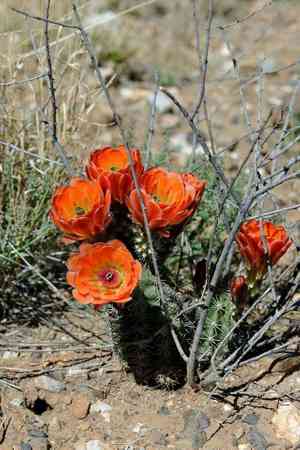
Scarlet hedgehog cactus (Echinocereus coccineus)
Also known as: Scarlet beehive cactus, Arizona hedgehog, Golden rainbow hedgehog
Scarlet hedgehog cactus (*Echinocereus coccineus*) hails from arid regions in Mexico and the southwestern U.S. When grown at home, this cactus is susceptible to root rot if the soil remains too moist. Ensuring the soil dries out completely between waterings is crucial to prevent this issue.
In This Article
Attributes of Scarlet hedgehog cactus
Lifespan
Perennial
Plant Type
Succulent, Herb
Plant Height
41 cm
Spread
1 m
Leaf Color
Green Blue
Flower Size
3 cm
Flower Color
Red Orange Purple
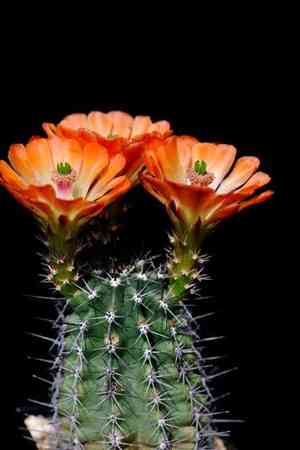
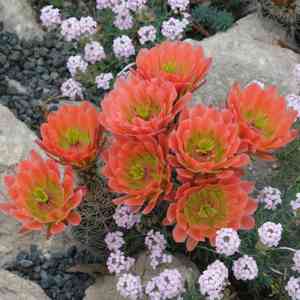
Images of Scarlet hedgehog cactus


Quickly Identify Scarlet hedgehog cactus
1
Look for thick, cylindrical stems with pronounced ribs and spines. The flowers are bright red and usually appear in spring, making them a key identifying feature.
Scientific Classification of Scarlet hedgehog cactus
Phylum
Vascular plants
Class
Dicotyledons
Order
Caryophyllales
Family
Cactuses
Genus
Hedgehog cactus
Species
Scarlet hedgehog cactus
Planting and Growing of Scarlet hedgehog cactus
Care Difficulty
Easy
Watering Schedule
Every 2 days
Sunlight Requirements
Full sun
Sunshine Duration
4-6 hours
Ideal Temperature
60-85℉
Soil Type
Potting Mix, Peat Mix
Soil pH
6.5-7.5
Fertilizer Type
Balanced
Pruning Season
Spring, Summer
Pruning Area
Branches, Leaves
Pruning Frequency
2 times a year
Repotting Season
Spring
Pot Type
Plastic, Ceramic
 How to Water Scarlet hedgehog cactus?
For Echinocereus coccineus, it's essential to water thoroughly but sparingly. The goal is to saturate the soil until water drips out of the drainage holes, ensuring that the roots receive moisture without becoming waterlogged. Typically, around 100 ml is sufficient during each watering session, considering the size of the pot and soil conditions.
More About Watering Techniques→
What are the symptoms of an underwatered Scarlet hedgehog cactus?
›
What should I do if my Scarlet hedgehog cactus is not getting enough water?
›
What are the symptoms of an overwatered Scarlet hedgehog cactus?
›
How to save an overwatered Scarlet hedgehog cactus?
›
 What Are the Sunlight Requirements for Scarlet hedgehog cactus?
Echinocereus coccineus requires full sun exposure for healthy growth. This plant benefits from consistent, direct sunlight to maintain its vibrancy and promote blooming, replicating its natural desert conditions.
More About Sunlight Requirements Techniques→
How much sunlight does it need?
›
What are the solutions for optimal lighting?
›
Why is ideal lighting beneficial?
›
 What Is the Ideal Temperature Range for Scarlet hedgehog cactus?
For Echinocereus coccineus, the ideal temperature range is between 60°F and 85°F. This range supports optimal growth and health of the cactus, providing a comfortable environment that mimics its natural habitat. In this temperature range, the metabolic processes of the plant function effectively, aiding in nutrient absorption and photosynthesis.
 What Soil is Best for Scarlet hedgehog cactus?
Echinocereus coccineus thrives in well-drained soil which prevents root rot and maintains healthy root systems. Efficient drainage allows excess water to escape, avoiding waterlogged conditions that can stunt growth or cause the plant to rot. This cactus is adapted to nutrient-poor soils typically found in its native habitats. Low-nutrient soils encourage deeper root growth and help maintain the plant's natural growth patterns, enriching its resilience in diverse environments. The plant prefers a soil structure that remains loose and airy, facilitating essential gas exchange within the root zone. Such conditions enhance overall plant vigor and enable the cactus to better utilize available nutrients and moisture.
More About Soil→
 How to Fertilize Scarlet hedgehog cactus?
For Echinocereus coccineus, the amount of fertilizer should be modest since these cacti are adapted to nutrient-poor environments. A diluted liquid cactus fertilizer with a balanced N-P-K ratio of 10-10-10 or 5-5-5 is ideal. Use approximately 1/4 of the recommended dose on the package to avoid over-fertilization.
 How to Prune Scarlet hedgehog cactus?
Start by sterilizing your pruning tools with rubbing alcohol to prevent infections. Identify any dead or damaged stems and carefully trim these using sharp, clean shears. Make cuts at the base of the stem, avoiding damage to the healthy parts. If you're shaping the cactus, selectively remove sections to create a balanced form. Ensure you leave the healthy stems intact to promote growth. Always wear gloves to protect yourself from the spines, and dispose of the trimmed material properly.
 How to Propagate Scarlet hedgehog cactus plant?
1
Collect Echinocereus coccineus seeds at the right time when the fruit is mature. Clean the seeds thoroughly to remove any pulp and let them dry before sowing.
2
For cutting propagation, select a healthy stem and use a sterilized knife to cut a segment. Allow the cutting to dry for several days to form a callus before planting.
3
To propagate by division, carefully remove the plant from its pot and separate offsets from the main clump. Ensure each offset has roots and plant them individually in the soil.
 How to Repot Scarlet hedgehog cactus plant?
1
Repot when roots outgrow the current pot or if the plant looks top-heavy. Another sign can be water draining too quickly, indicating soil compaction. Spring or early summer is ideal as the plant is in its active growth stage, ensuring it establishes well in its new environment.
2
Select a pot slightly larger than the current one, with ample drainage holes. A breathable material like clay can help with moisture control. This prevents root rot by allowing excess water to escape, a crucial requirement for healthy cactus growth.
3
Choose a well-draining cactus mix, often containing sand, perlite, and potting soil. This mix mimics the plant's natural arid habitat, reducing the chance of overwatering while providing essential nutrients and support for rapid root development.



