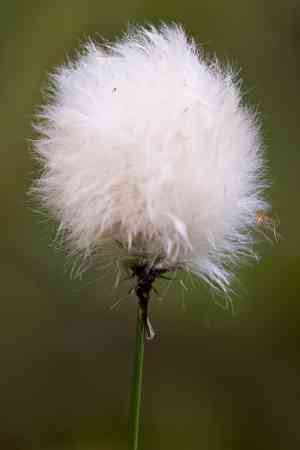
Threeway sedge (Dulichium arundinaceum)
Also known as: Stargrass
Threeway sedge typically thrives in bogs, marshes, and other wetland environments. A key characteristic is its leaves, which grow in three distinct directions, reflecting the origin of its common name. Additionally, there are two recognized variations within the species Dulichium arundinaceum.
In This Article
Attributes of Threeway sedge
Lifespan
Perennial
Plant Type
Herb
Plant Height
25 cm to 1.02 m
Spread
60 cm
Leaf Color
Green
Flower Size
6 cm to 30 cm
Flower Color
Brown
Images of Threeway sedge
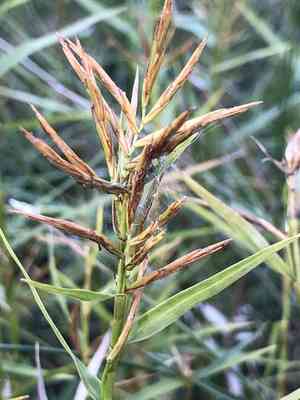
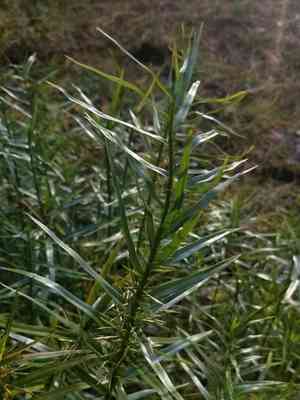
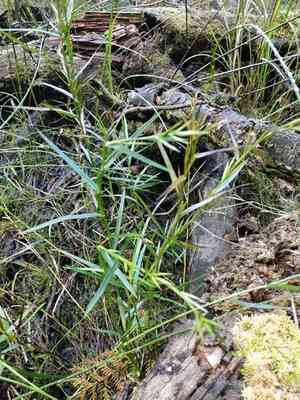
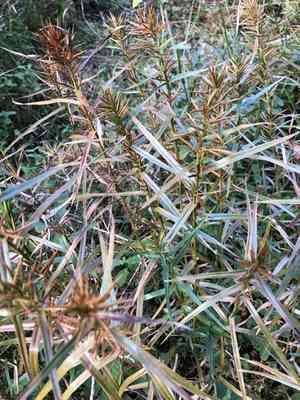
Quickly Identify Threeway sedge
1
This plant can be identified by its three-ranked (tristichous) leaves which spiral around a central, unbranched, hollow stem. The leaves are green, linear, and pointed at the tip. The flowers are small, brown, and grow in clusters.
Scientific Classification of Threeway sedge
Phylum
Vascular plants
Class
Monocotyledons
Order
Poales
Family
Sedge
Genus
Dulichium
Species
Threeway sedge
Planting and Growing of Threeway sedge
Care Difficulty
Easy
Watering Schedule
Every 4 days
Sunlight Requirements
Partial sun
Sunshine Duration
4-8 hours
Ideal Temperature
60-75℉
Soil Type
Potting Mix, Peat Mix
Soil pH
6.5-7.5
Fertilizer Type
Balanced
Pruning Season
Spring, Summer
Pruning Area
Branches, Leaves
Pruning Frequency
2 times a year
Repotting Season
Spring
Pot Type
Plastic, Ceramic
 How to Water Threeway sedge?
Dulichium arundinaceum prefers consistently moist soil, resembling its natural wetland habitat. Water should be supplied until the soil is evenly saturated, but avoid creating waterlogged conditions.
What are the symptoms of an underwatered Threeway sedge?
›
What should I do if my Threeway sedge is not getting enough water?
›
What are the symptoms of an overwatered Threeway sedge?
›
How to save an overwatered Threeway sedge?
›
 What Are the Sunlight Requirements for Threeway sedge?
Dulichium arundinaceum thrives best in partial sunlight, benefiting from dappled light that supports healthy growth and prevents leaf burn.
What type of sunlight does Dulichium arundinaceum prefer?
›
How can I provide ideal light conditions for Dulichium arundinaceum?
›
What are the benefits of providing the ideal light conditions for Dulichium arundinaceum?
›
 What Is the Ideal Temperature Range for Threeway sedge?
Dulichium arundinaceum thrives best in a temperature range of 60°F to 75°F. These temperatures mimic its natural habitat conditions, supporting optimal growth and metabolic processes. Maintaining these temperatures helps ensure robust health and reduces stress on the plant.
 What Soil is Best for Threeway sedge?
Dulichium arundinaceum thrives in soil that retains moisture well without becoming waterlogged. This characteristic helps the plant stay hydrated, supporting its lush growth and preventing stress-related issues. This plant prefers a nutrient-rich soil composition, which provides the essential minerals and nutrients needed for vigorous growth and vibrant foliage. The right nutrient balance enhances photosynthesis and overall plant health. A neutral to slightly acidic pH is ideal for Dulichium arundinaceum. This range ensures that the plant can effectively absorb nutrients from the soil, promoting healthy root development and robust stem growth.
 How to Fertilize Threeway sedge?
For Dulichium arundinaceum, it is important to apply a balanced fertilizer, slightly leaning towards nitrogen formulation, since this supports its lush, reed-like growth. Apply liquid fertilizer at a rate of about 1/2 teaspoon per gallon of water to ensure the plant receives nutrients without the risk of over-fertilizing.
 How to Prune Threeway sedge?
Begin by thoroughly inspecting the plant, and remove any stems that appear dead, damaged, or diseased. This step is crucial to prevent the spread of disease and manage the plant's structure. Cut back overgrown stems to maintain the desired plant shape. Focus on trimming stems that impede airflow or cause congestion in the plant's center, thereby promoting health and vigor.
More About Pruning Techniques→
 How to Propagate Threeway sedge plant?
1
Fill the seed tray with a mix of peat moss and vermiculite, then sow the Dulichium arundinaceum seeds on the surface, covering them lightly with additional soil. Ensure the tray is kept consistently moist.
2
In early summer, select a healthy plant and dig around the base using a trowel. Carefully lift the plant, allowing you to see the natural points where the roots can be divided.
3
Immediately replant the divided sections into a pre-prepared bed or pot, ensuring each section has an ample amount of root mass and is watered thoroughly to promote new growth.
 How to Repot Threeway sedge plant?
1
Repotting Dulichium arundinaceum should be considered when you notice its growth slowing down or if roots are coming out of the drainage holes. Typically, early spring is ideal as the plant is entering its growth phase. During these times, the plant adapts better to new soil and space.
2
Choose a pot with ample drainage holes and is slightly larger than the current one. Ideally, it should be 1-2 inches wider to provide room for root expansion. A wider pot assists in stability and ensures sufficient space for root growth, promoting a healthier plant overall.
3
Opt for a rich, organic potting mix that retains some moisture but drains well. Adding perlite can enhance aeration and avoid soil compaction. A well-chosen soil mix supports the plant by maintaining the necessary moisture balance and nutrient availability.
Learn More About Threeway sedge Diseases
Anthracnose
Bacterial Leaf Spot
Bacterial Wilt
Chemical Injury
Cyst Nematode
Damping-off
Downy Mildew
Drought Stress
Fusarium Wilt
Gray Mold
Leaf Spot
Mosaic
Nutrient Deficiency
Nutrient Toxicity
Powdery Mildew
Root Rot
Root-knot Nematode
Rusts
Sooty Mold
Spider Mites
Temperature Stress
Thrips Damage
White Mold



