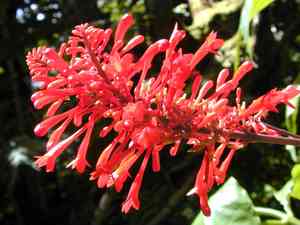
Arizona foldwing (Dicliptera resupinata)
Also known as: None
The Arizona foldwing (Dicliptera resupinata) is a hardy perennial herb known for its lush, green leaves and striking tubular flowers that are pink to lavender, which attract various pollinators. This plant typically grows to about 1-2 feet in height, featuring sprawling stems with oppositely arranged, lance-shaped leaves. It flourishes in well-drained soils and is commonly found in rocky areas, canyons, and desert washes. Preferring partial to full sunlight, the Arizona foldwing is well-adapted to the semi-arid climates of the southwestern U.S., particularly in Arizona.
In This Article
Attributes of Arizona foldwing
Lifespan
Perennial
Plant Type
Herb
Plant Height
30 cm to 91 cm
Spread
Approximately 30-45 cm
Leaf Color
Green
Flower Size
1-2 cm
Flower Color
Pink to purple
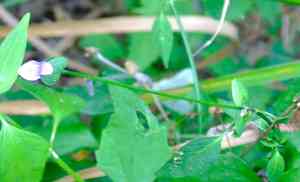
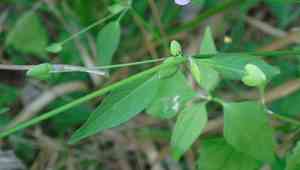
Images of Arizona foldwing


Quickly Identify Arizona foldwing
1
Look for its unique flowers that appear to be upside-down and its broad, lance-shaped leaves.
Scientific Classification of Arizona foldwing
Phylum
Vascular plants
Class
Dicotyledons
Order
Lamiales
Family
Acanthus
Genus
Dicliptera
Species
Arizona foldwing
Planting and Growing of Arizona foldwing
Care Difficulty
Moderate
Watering Schedule
Every 2 days
Sunlight Requirements
Partial sun
Sunshine Duration
6-12 hours
Ideal Temperature
65-75℉
Soil Type
Potting Mix, Peat Mix
Soil pH
6.5-7.5
Fertilizer Type
Balanced
Pruning Season
Spring, Summer
Pruning Area
Branches, Leaves
Pruning Frequency
2 times a year
Repotting Season
Spring
Pot Type
Plastic, Ceramic
 How to Water Arizona foldwing?
For Dicliptera resupinata, water thoroughly until you notice some drainage from the bottom of the pot. Aim to provide approximately 400 milliliters per watering session. This amount ensures the soil is adequately moist but not soggy. The key is to let the top 1-2 inches of soil dry out between waterings.
What are the symptoms of an underwatered Arizona foldwing?
›
What should I do if my Arizona foldwing is not getting enough water?
›
What are the symptoms of an overwatered Arizona foldwing?
›
How to save an overwatered Arizona foldwing?
›
 What Are the Sunlight Requirements for Arizona foldwing?
Partial sun allows Dicliptera resupinata to maintain vigor and flowering. The ideal range balances light stress and healthy photosynthetic activity, enhancing overall plant resilience and beauty.
What is the best lighting for Dicliptera resupinata?
›
How can I achieve optimal lighting conditions?
›
What benefits does optimal lighting provide?
›
 What Is the Ideal Temperature Range for Arizona foldwing?
The ideal temperature range for Dicliptera resupinata lies between 65°F and 75°F. This warm yet moderate climate encourages optimal growth and flowering, as the plant thrives in conditions that simulate its native tropical habitat.
 What Soil is Best for Arizona foldwing?
Dicliptera resupinata thrives in well-drained soil as it prevents waterlogging, which can be detrimental to the plant's roots. Ensuring proper drainage helps maintain root health and promotes robust growth. Providing nutrient-rich soil is essential for the optimal growth of Dicliptera resupinata. Such soil offers adequate essential nutrients that support the plant's flowering and overall health. Dicliptera resupinata prefers moderate soil moisture levels that mimic its natural habitat. Balancing moisture supply ensures the plant remains hydrated without succumbing to root rot.
 How to Fertilize Arizona foldwing?
The amount of fertilizer for Dicliptera resupinata should be moderate. Use a balanced liquid fertilizer diluted to half strength, approximately 100 ml per plant per application, ensuring even distribution. Over-fertilization can lead to root burn.
 How to Prune Arizona foldwing?
Start by inspecting the plant for any dead or diseased branches. These should be the first to go as they can harbor pests and disease that might spread to healthy parts. Once dead material is removed, move on to shaping your Dicliptera resupinata. Aim to create a balanced and natural look by selectively trimming overgrown areas or uneven branches. Look for branches that cross or rub against each other, as these can cause wounds and lead to disease entry points. Remove one of the crossing branches to improve airflow and reduce friction.
More About Pruning Techniques→
 How to Propagate Arizona foldwing plant?
1
Seeds should be collected in the early morning once the flower has matured but before they are naturally dispersed. Gently remove the seed pods and store them in a dry, cool place until sowing.
2
To prepare cuttings, select strong, healthy stems with at least two leaves. Use sterilized garden shears to make a clean cut just below a node. Remove the lower leaves to prepare for planting.
3
Plant seeds in a seed tray using a well-draining potting mix. Cover the seeds lightly with soil. For cuttings, dip the cut end in rooting hormone before planting in pots containing the same potting mix.
 How to Repot Arizona foldwing plant?
1
Dicliptera resupinata shows signs of needing repotting when roots start to emerge from the drainage holes or when growth has noticeably slowed. Additionally, if the plant appears top-heavy or has outgrown its current container, it's time to give it more space to thrive.
2
Select a pot that's 2 inches larger in diameter than the current one. It should have ample drainage holes to prevent waterlogging. A correctly sized pot ensures the plant has enough room to grow while preventing excess water retention that can lead to root rot.
3
Opt for a well-draining, loamy soil mixture which facilitates proper root breathing by allowing excess water to pass through. This type of soil also provides the right balance of nutrients and aeration, crucial for the healthy development of Dicliptera resupinata.
Learn More About Arizona foldwing Diseases
Anthracnose
Bacterial Leaf Spot
Bacterial Soft Rot
Bacterial Wilt
Black Spot
Chemical Injury
Crown Gall
Cyst Nematode
Damping-off
Downy Mildew
Drought Stress
Fusarium Wilt
Gray Mold
Leaf Curl
Leaf Spot
Mosaic
Nutrient Deficiency
Nutrient Toxicity
Powdery Mildew
Root Rot
Root-knot Nematode
Rusts
Sooty Mold
Spider Mites
Temperature Stress
Thrips Damage
White Mold



