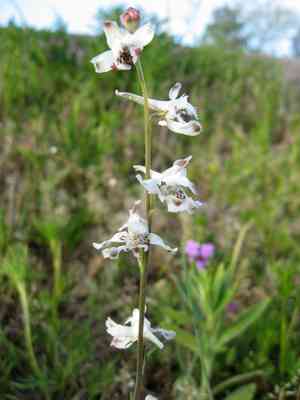
Carolina larkspur (Delphinium carolinianum)
Also known as: Wild blue larkspur
Carolina larkspur (Delphinium carolinianum) flourishes in well-drained, sandy, or rocky soils and thrives in full sun to partial shade. Horticulturists should be mindful of their watering routines, ensuring the soil does not become overly saturated. Given its toxicity to humans and animals if ingested, it’s important to wear gloves when handling the plant and to position it away from areas accessible to children and pets. Additionally, be vigilant about slug infestations, as these pests are particularly attracted to this plant and can cause significant damage.
In This Article
Attributes of Carolina larkspur
Lifespan
Perennial
Plant Type
Herb
Plant Height
20 cm to 1.5 m
Spread
20 cm to 45 cm
Leaf Color
Green
Flower Size
2.5 cm
Flower Color
White Blue Purple
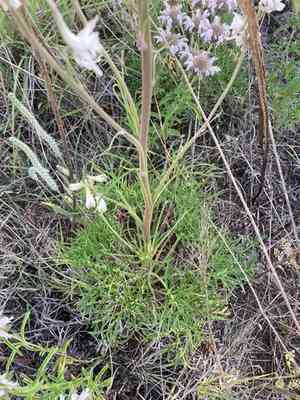
Images of Carolina larkspur
Quickly Identify Carolina larkspur
1
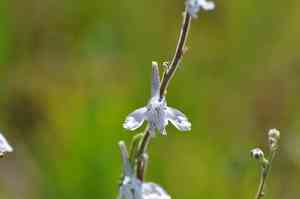
Tall spires up to 4 feet (120 cm) high adorned with dolphin-shaped blue-violet flowers.
2
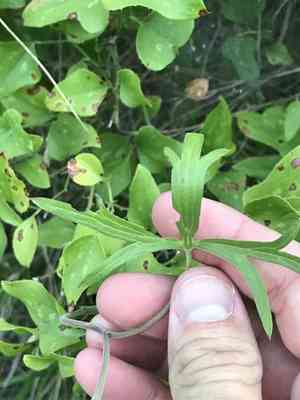
Deeply lobed, alternate arrangement of delicate, green leaves with visible vein patterns.
3
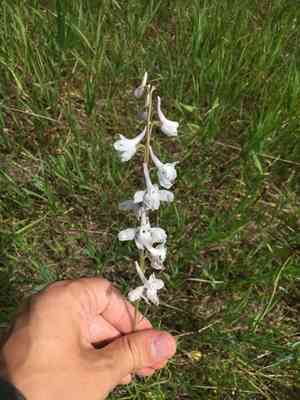
Clusters of vibrant blue-violet flowers on 6 to 12-inch (15 to 30 cm) long spikes.
4
Distinct green patches near sepal tips, dense flower clusters bloom from mid-spring to early summer.
5
Greenish-white, erect stem with a soft, fuzzy texture, supporting flowers at its apex.
Scientific Classification of Carolina larkspur
Phylum
Vascular plants
Class
Dicotyledons
Order
Ranunculales
Family
Buttercup
Genus
Larkspurs
Species
Carolina larkspur
Planting and Growing of Carolina larkspur
Care Difficulty
Moderate
Watering Schedule
Every 4 days
Sunlight Requirements
Full sun
Sunshine Duration
4-6 hours
Ideal Temperature
68-77℉
Soil Type
Potting Mix, Peat Mix
Soil pH
6.5-7.5
Fertilizer Type
Balanced
Pruning Season
Spring, Summer
Pruning Area
Branches, Leaves
Pruning Frequency
2 times a year
Repotting Season
Spring
Pot Type
Plastic, Ceramic
 How to Water Carolina larkspur?
Delphinium carolinianum requires moderate watering. Aim to provide about 250ml of water per session, ensuring the soil is moist but not soggy. The key is to mimic natural conditions, providing enough water for the roots to absorb without waterlogging the soil. Water should penetrate to a depth of about 4-5 inches to support proper root health.
What are the symptoms of an underwatered Carolina larkspur?
›
What should I do if my Carolina larkspur is not getting enough water?
›
What are the symptoms of an overwatered Carolina larkspur?
›
How to save an overwatered Carolina larkspur?
›
 What Are the Sunlight Requirements for Carolina larkspur?
Delphinium carolinianum prefers a light range of full sun to partial sun, with optimal growth observed in locations receiving 6 to 8 hours of sunlight. Adequate sunlight ensures robust stem development and maximizes blooming potential.
More About Sunlight Requirements Techniques→
How much sunlight does Delphinium carolinianum need?
›
How to provide ideal sunlight for Delphinium carolinianum?
›
What are the benefits of sufficient sunlight for Delphinium carolinianum?
›
 What Is the Ideal Temperature Range for Carolina larkspur?
For optimal growth, Delphinium carolinianum thrives best in a temperature range between 68°F to 77°F. These temperatures ensure that the plant can grow robustly, producing healthy foliage and vibrant flowers. Within this range, the plant performs photosynthesis efficiently and its metabolism is in peak condition.
 What Soil is Best for Carolina larkspur?
Delphinium carolinianum thrives in soil that offers excellent drainage. This reduces the risk of root rot, ensuring the plant has healthy roots for optimal growth. The plant prefers soil with moderate fertility, providing essential nutrients without overwhelming it. This supports healthy development and vibrant floral displays. Good aeration allows roots to access oxygen and nutrients more efficiently, promoting vigorous growth and preventing compaction-related issues.
 How to Fertilize Carolina larkspur?
For Delphinium carolinianum, it's essential to apply fertilizer in a balanced manner to support robust flowering and growth. Typically, a balanced liquid fertilizer diluted to half strength can be used every two weeks. For slow-release fertilizers, apply as per manufacturer's instructions, usually at the beginning of the growing season to avoid overfeeding.
 How to Prune Carolina larkspur?
Start by removing any dead or wilted flowers with a clean cut just above the closest healthy leaves. This encourages the plant to focus energy on new growth and increases blooming potential. To maintain an aesthetically pleasing shape, observe the overall growth pattern and make strategic cuts to improve symmetry and remove any leggy or excessively long stems. While pruning, closely inspect the plant for signs of pests or diseases. Promptly address these issues to prevent them from spreading and affecting the plant's health.
More About Pruning Techniques→
 How to Propagate Carolina larkspur plant?
1
Begin by filling trays or pots with a quality seed-starting mix. Sow seeds on top and lightly cover with mix. Keep the soil moist and place in a location with indirect sunlight for optimal germination.
2
Select healthy stems from a mature Delphinium carolinianum plant. Cut below a node using sharp pruners, ensuring each cutting is about 4-6 inches long. Remove the lower leaves and dip the cut end in rooting hormone.
3
Dig up the mature plant in early spring or after blooming. Carefully separate the crown into sections with roots and shoots. Replant the divisions at the same depth as originally grown.
 How to Repot Carolina larkspur plant?
1
Watch out for roots coming out of the drainage holes or when growth seems stunted in your Delphinium carolinianum. These are signs it might be time to repot, ensuring the plant's growth isn't hindered by restricted space.
2
Select a pot that is just a couple of inches larger in diameter than the current one. This helps avoid excessive soil that can hold too much moisture and ensures the roots have room to grow without overwhelming the plant.
3
Opt for a well-draining, loamy soil mix. This type of soil prevents waterlogging and provides essential nutrients, facilitating robust growth and adequate aeration for the roots.
Toxicity
Ingestion
WARNING
The judgment on toxicity and danger is for reference only. We DO NOT GUARANTEE any accuracy of such judgment. Therefore, you SHALL NOT rely on such judgment. It is IMPORTANT TO SEEK PROFESSIONAL ADVICE in advance when necessary.
Learn More About Carolina larkspur Diseases
Anthracnose
Bacterial Leaf Spot
Bacterial Soft Rot
Bacterial Wilt
Black Spot
Chemical Injury
Crown Gall
Damping-off
Downy Mildew
Drought Stress
Fusarium Wilt
Gray Mold
Leaf Curl
Leaf Spot
Mosaic
Nutrient Deficiency
Nutrient Toxicity
Powdery Mildew
Root Rot
Root-knot Nematode
Rusts
Sooty Mold
Spider Mites
Temperature Stress
Thrips Damage
White Mold



