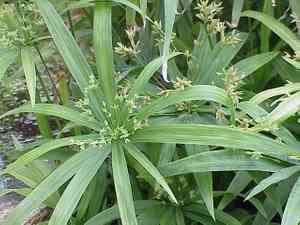
Inflated-scale flat sedge (Cyperus aggregatus)
Also known as: Aggregate sedge
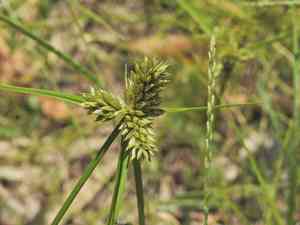
The inflated-scale flat sedge (Cyperus aggregatus) is a perennial, grass-like plant commonly found in moist environments, such as near rivers and streams. It features slender stems that bear small, greenish-brown spikelets. The plant's root system often includes bulblets, aiding in vegetative reproduction. This dual reproductive strategy—producing seeds for dispersal and bulblets for clonal growth—enables the sedge to thrive in both stable and disturbed ecosystems, contributing to its resilience and widespread presence.
In This Article
Attributes of Inflated-scale flat sedge
Lifespan
Perennial
Plant Type
Grass
Plant Height
20-50 cm
Spread
N/A
Leaf Color
Green
Flower Size
N/A
Flower Color
Yellowish to Brown
Images of Inflated-scale flat sedge
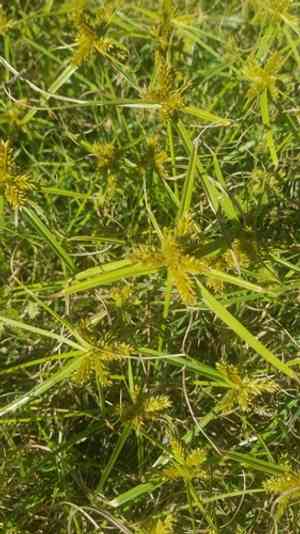
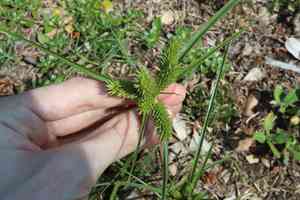
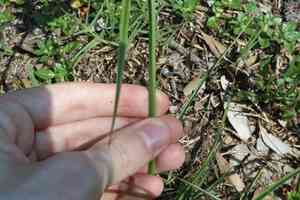
Quickly Identify Inflated-scale flat sedge
1
The plant can be recognized by its clustered spikelets, triangular stems, and grass-like leaves. The spikelets are yellowish to brown in color and can often be found grouped together.
Scientific Classification of Inflated-scale flat sedge
Phylum
Vascular plants
Class
Monocotyledons
Order
Poales
Family
Sedge
Genus
Nutgrasses
Species
Inflated-scale flat sedge
Planting and Growing of Inflated-scale flat sedge
Care Difficulty
Easy
Watering Schedule
Every 3 days
Sunlight Requirements
Partial sun
Sunshine Duration
6-8 hours
Ideal Temperature
68-86℉
Soil Type
Potting Mix, Peat Mix
Soil pH
6.5-7.5
Fertilizer Type
Balanced
Pruning Season
Spring, Summer
Pruning Area
Branches, Leaves
Pruning Frequency
2 times a year
Repotting Season
Spring
Pot Type
Plastic, Ceramic
 How to Water Inflated-scale flat sedge?
Cyperus aggregatus prefers consistently moist soil, but care should be taken to avoid waterlogging. Each watering session should involve approximately 250ml of water, allowing water to penetrate deeply into the soil without leaving it waterlogged. The guiding principle is to moisten the soil thoroughly but let the top layer dry slightly before the next watering.
What are the symptoms of an underwatered Inflated-scale flat sedge?
›
What should I do if my Inflated-scale flat sedge is not getting enough water?
›
What are the symptoms of an overwatered Inflated-scale flat sedge?
›
How to save an overwatered Inflated-scale flat sedge?
›
 What Are the Sunlight Requirements for Inflated-scale flat sedge?
Cyperus aggregatus prefers partial sun, meaning it benefits from a moderate amount of daily sunlight for optimal physiological functions and maintaining aesthetic foliage appearance.
What type of light does Cyperus aggregatus require?
›
How can you ensure Cyperus aggregatus gets its ideal light?
›
What are the benefits of providing ideal light conditions?
›
 What Is the Ideal Temperature Range for Inflated-scale flat sedge?
The ideal temperature range for Cyperus aggregatus is between 68°F and 86°F. This range ensures optimal growth and vitality by providing the consistent warmth this species prefers. Such a temperature range helps in maintaining the plant's cellular functions and metabolic processes, leading to healthy foliage and robust root development.
 What Soil is Best for Inflated-scale flat sedge?
Cyperus aggregatus thrives in soils with good moisture retention. Loamy soils are ideal as they retain sufficient water, which keeps the plant hydrated and supports robust growth. This plant benefits from a nutrient-rich soil. A loamy composition, which is high in organic content, can provide the necessary nutrients for healthy growth and vibrant foliage. Despite needing moisture, adequate drainage is crucial to prevent waterlogging. Sandy loams offer excellent drainage properties, protecting roots from rot while maintaining necessary hydration.
 How to Fertilize Inflated-scale flat sedge?
For Cyperus aggregatus, use a balanced liquid fertilizer diluted to half the recommended strength. Apply approximately 1/4 cup per plant during the growing season to maintain healthy growth. Avoid over-fertilizing, as it can lead to salt buildup in the soil.
 How to Prune Inflated-scale flat sedge?
Use clean, sharp scissors or pruning shears to make precise cuts. Sterilizing the tools before use is crucial to prevent the spread of plant diseases. Look for dead or discolored stems and foliage, typically at the base of the plant, and carefully trim them away to promote new growth. Cut back any excess stems that prevent proper airflow, giving the plant a neat, tidy appearance while allowing sufficient light to reach its base.
 How to Propagate Inflated-scale flat sedge plant?
1
Gather seeds from mature Cyperus aggregatus plants. Ensure that seeds are fully matured and dry before collection. Store them in a cool, dry place until planting season.
2
For division propagation, carefully dig up the plant and separate the root clumps. Each division should have an adequate root system and shoots to ensure successful re-establishment.
3
Place collected seeds in a seed tray filled with a light soil mix. Cover with a thin layer of soil and water gently. Maintain consistent moisture until germination occurs.
 How to Repot Inflated-scale flat sedge plant?
1
Cyperus aggregatus prefers to be repotted in spring or summer when the growth is active. Look for signs like roots emerging from drainage holes, slowed growth, or compacted soil as indicators it's time for a new pot.
2
Choose a pot that is 1-2 inches larger in diameter than the current one. This allows room for growth, prevents overwatering by avoiding excessively large pots, and ensures that air and moisture circulate properly around the roots.
3
Opt for a well-draining potting mix. This type of soil avoids water logging, which is essential for preventing root rot, ensures proper aeration for root development, and maintains a balance of moisture retention with sufficient drainage.
Learn More About Inflated-scale flat sedge Diseases
Anthracnose
Bacterial Leaf Spot
Bacterial Soft Rot
Bacterial Wilt
Chemical Injury
Cyst Nematode
Damping-off
Downy Mildew
Drought Stress
Fusarium Wilt
Gray Mold
Leaf Spot
Mosaic
Nutrient Deficiency
Nutrient Toxicity
Powdery Mildew
Root Rot
Root-knot Nematode
Rusts
Sooty Mold
Spider Mites
Temperature Stress
Thrips Damage
White Mold



