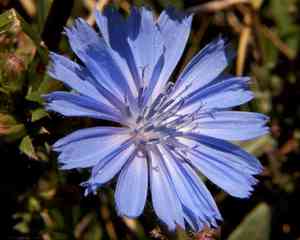
Italian hawksbeard (Crepis bursifolia)
Also known as: Hawk's beard, Slipper plant
Arugula (Eruca vesicaria), originally from southern Europe and North Africa, has established itself in California. Preferring sunny or partially shaded damp soils, its leaves are edible and commonly enjoyed in salads.
In This Article
Attributes of Italian hawksbeard
Lifespan
Perennial
Plant Type
Herb, Shrub
Plant Height
35 cm
Spread
Not applicable, as this plant does not form a crown.
Leaf Color
Green Blue
Flower Size
3 mm to 4 mm
Flower Color
Yellow
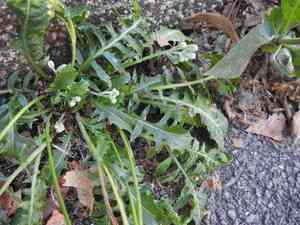
Images of Italian hawksbeard
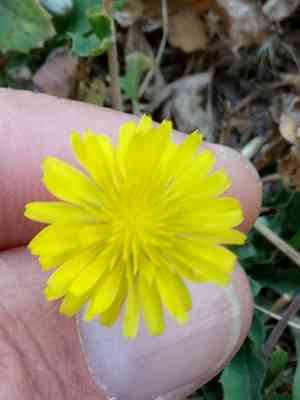
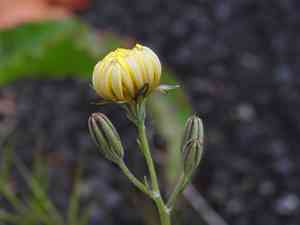
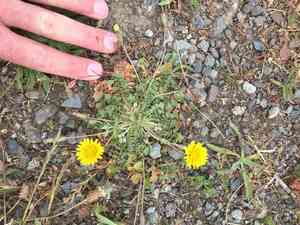
Quickly Identify Italian hawksbeard
1
To identify Crepis bursifolia, look for a basal rosette of lobed leaves, upright flower stems, and dandelion-like yellow flowers. The plant produces small seeds with a tuft of hair at one end.
Scientific Classification of Italian hawksbeard
Phylum
Vascular plants
Class
Dicotyledons
Order
Asterales
Family
Daisy
Genus
Hawksbeard
Species
Italian hawksbeard
Planting and Growing of Italian hawksbeard
Care Difficulty
Easy
Watering Schedule
Every 2 days
Sunlight Requirements
Full sun
Sunshine Duration
4-6 hours
Ideal Temperature
60-75℉
Soil Type
Potting Mix, Peat Mix
Soil pH
6.5-7.5
Fertilizer Type
Balanced
Pruning Season
Spring, Summer
Pruning Area
Branches, Leaves
Pruning Frequency
2 times a year
Repotting Season
Spring
Pot Type
Terracotta, Plastic
 How to Water Italian hawksbeard?
Watering should be careful for Crepis bursifolia because it prefers slightly dry conditions. You should water the soil until it is moist but not soggy, typically about 150 ml per watering, depending on the size of the pot. Always allow the top layer of the soil to dry out between waterings to ensure proper aeration.
What are the symptoms of an underwatered Italian hawksbeard?
›
What should I do if my Italian hawksbeard is not getting enough water?
›
What are the symptoms of an overwatered Italian hawksbeard?
›
How to save an overwatered Italian hawksbeard?
›
 What Are the Sunlight Requirements for Italian hawksbeard?
Crepis bursifolia thrives in full sun. This lighting condition enhances its growth, ensures abundant flowering, and maintains the plant’s vigor while reducing susceptibility to diseases.
More About Sunlight Requirements Techniques→
How much sunlight does it need?
›
How can you provide ideal lighting?
›
What are the benefits of ideal lighting?
›
 What Is the Ideal Temperature Range for Italian hawksbeard?
For Crepis bursifolia, the ideal temperature range is between 60-75°F. Within this range, the plant can efficiently perform photosynthesis, leading to healthy growth. It minimizes stress and supports vital plant functions like nutrient uptake, flowering, and development, enabling the plant to thrive.
 What Soil is Best for Italian hawksbeard?
Crepis bursifolia thrives in soil that offers excellent drainage. This prevents waterlogging, which can cause root rot and other moisture-related diseases, ensuring the plant remains healthy and vigorous. This plant benefits from soil rich in nutrients, supporting its growth and flower production. A fertile medium ensures robust blooms and resilient foliage, enhancing its aesthetic value. A soil pH ranging from 6.5 to 7.5 is ideal for Crepis bursifolia. This range facilitates the optimal uptake of essential nutrients, promoting growth and maximizing the plant's overall health.
 How to Fertilize Italian hawksbeard?
Crepis bursifolia requires moderate fertilization. For liquid fertilizers, a concentration of about half the recommended strength for houseplants is ideal, applied bi-weekly during the growing season. For slow-release fertilizers, apply according to the manufacturer's instructions, ensuring a balanced nutrient supply without overloading the soil.
 How to Prune Italian hawksbeard?
Begin by examining the plant for any dead or yellow foliage. Hold back new shoots slightly shorter to encourage bushiness. Make cuts at a 45-degree angle just above a node to promote efficient healing and growth. After pruning, give the plant a light watering to help it recover. Keep it in a warm, well-lit area to promote healing. Avoid fertilizing immediately as this can stress the plant further.
More About Pruning Techniques→
 How to Propagate Italian hawksbeard plant?
1
Begin by filling seed trays with a well-draining seed starting mix. Ensure the mix is evenly moist but not waterlogged to provide optimal conditions for germination.
2
Distribute Crepis bursifolia seeds evenly over the prepared soil surface. Lightly press the seeds into the soil, ensuring they have good contact without fully covering them, as they require some light to germinate.
3
Water the seeds gently using a watering can with a fine rose to keep the soil consistently moist. Avoid overwatering, as excessive moisture can lead to seed rot and hinder germination.
 How to Repot Italian hawksbeard plant?
1
Watch for signs like root-bound pots, reduced growth, or water not draining properly. These are indicators that your Crepis bursifolia needs a new home. The roots must have enough space to breathe and thrive.
2
Select a pot slightly larger than the current one, with drainage holes. A pot that's too big can lead to overwatering, but an appropriate size ensures proper root expansion and nutrient access, leading to healthier growth.
3
Opt for a well-draining gritty mix with materials like perlite or coarse sand. This soil type allows efficient water passage, reducing the risk of root rot and providing a stable environment for your plant's roots.



