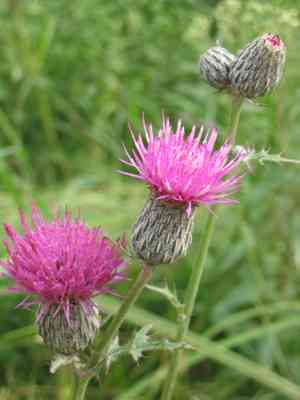
Swamp thistle (Cirsium muticum)
Also known as: Swamp Thistle
The swamp thistle (Cirsium muticum) is indigenous to central and eastern North America. It supports various butterfly and moth species, notably the threatened swamp metalmark butterfly. Unlike many other thistles, it is often used in gardens due to its attractive appearance, non-invasive nature, and appeal to pollinators.
In This Article
Attributes of Swamp thistle
Lifespan
Biennial, Perennial
Plant Type
Herb
Plant Height
91 cm to 2.5 m
Spread
Approximately 2 feet
Leaf Color
Green
Flower Size
2.5 cm
Flower Color
Purple Pink White Red Lavender
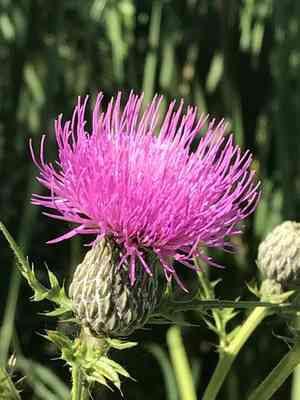
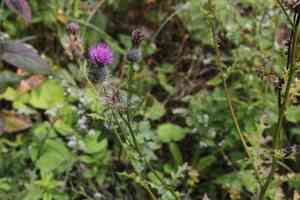
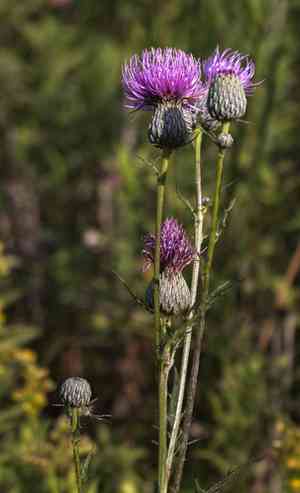
Images of Swamp thistle
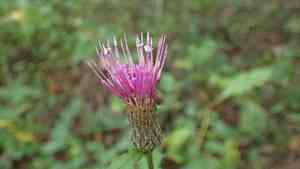
Quickly Identify Swamp thistle
1
2-8 feet (60-244 cm) tall, branching stems
2
Purple to pink flowers with spineless bracts
3
Leaves up to 10 inches (25 cm) long with wooly white underside
4
Sparse branching, grooved green stem 2-3 feet (60-90 cm) tall
5
Dark brown achene fruit with feathery pappus for wind dispersal
Scientific Classification of Swamp thistle
Phylum
Vascular plants
Class
Dicotyledons
Order
Asterales
Family
Daisy
Genus
Thistles
Species
Swamp thistle
Planting and Growing of Swamp thistle
Care Difficulty
Easy
Watering Schedule
Every 3 days
Sunlight Requirements
Partial sun
Sunshine Duration
4-8 hours
Ideal Temperature
60-75℉
Soil Type
Potting Mix, Peat Mix
Soil pH
6.5-7.5
Fertilizer Type
Balanced
Pruning Season
Spring, Summer
Pruning Area
Branches, Leaves
Pruning Frequency
2 times a year
Repotting Season
Spring
Pot Type
Terracotta, Plastic
 How to Water Swamp thistle?
For Cirsium muticum, it is essential to water thoroughly until the soil feels evenly moist to the depth of your finger, approximately 2 inches deep. Utilise around 500 ml per watering session to ensure the roots get adequate moisture while avoiding waterlogging.
What are the symptoms of an underwatered Swamp thistle?
›
What should I do if my Swamp thistle is not getting enough water?
›
What are the symptoms of an overwatered Swamp thistle?
›
How to save an overwatered Swamp thistle?
›
 What Are the Sunlight Requirements for Swamp thistle?
Cirsium muticum's ideal light exposure includes partial to full sun. Adequate light enhances growth, supports robust flowering, and strengthens its overall resistance.
More About Sunlight Requirements Techniques→
What is the best lighting condition for Cirsium muticum?
›
How can I ensure my Cirsium muticum gets ideal light?
›
What benefits does Cirsium muticum gain from ideal lighting?
›
 What Is the Ideal Temperature Range for Swamp thistle?
The ideal temperature range for growing Cirsium muticum effectively is between 60 and 75 degrees Fahrenheit. This range provides the best conditions for photosynthesis and nutrient uptake.
 What Soil is Best for Swamp thistle?
Cirsium muticum thrives in soils that retain moisture well. Having good moisture retention ensures that the roots remain hydrated even during dry spells, promoting healthy growth and robust blooming. A nutrient-rich soil supports the vigorous growth of Cirsium muticum. It ensures the plant has access to essential minerals and nutrients, fostering strong root systems and lush foliage. Soils with good aeration properties allow roots to breathe. Proper aeration prevents root suffocation and promotes efficient nutrient uptake, which is crucial for the plant's development.
 How to Fertilize Swamp thistle?
For Cirsium muticum, applying a balanced fertilizer with an NPK ratio like 10-10-10 is recommended. Liquid fertilizers should be diluted to half strength to prevent root burn, and around 1 liter per square meter is advisable. Solid, slow-release fertilizers should be spread at a rate of about 50 grams per square meter annually, allowing nutrients to be distributed evenly over time.
 How to Prune Swamp thistle?
Start by observing the growth pattern of your plant. When any part of Cirsium muticum starts to look dull or worn, it could be the right time to prune. Focus on trimming away spent flowers and any parts showing signs of disease. Use clean, sharp shears to trim back overgrown stems and excess foliage. This helps improve air circulation around the plant and prevents fungal diseases. Shape your plant as desired, and don't be afraid to thin it out to allow more room for growth.
More About Pruning Techniques→
 How to Propagate Swamp thistle plant?
1
Collect seeds from mature plants by cutting the flower heads and letting them dry. Once dry, gently shake the flower heads to release the seeds. It is crucial to wait until seeds are fully matured to ensure viability.
2
Sow seeds in a seed tray filled with a well-draining potting mix. Lightly cover them with soil and water gently. Ensure the tray is placed in a warm area with indirect sunlight to facilitate germination.
3
During early spring, carefully dig out a mature plant with a garden fork. Shake off excess soil and use a sharp knife to divide the plant into multiple sections, ensuring each section has roots attached.
 How to Repot Swamp thistle plant?
1
Look for signs such as roots emerging from the drainage holes or stunted growth. These indicate that Cirsium muticum is becoming root-bound and requires more space. The beginning of the growing season is ideal for repotting to minimize shock.
2
Select a pot that is one size larger than the current one and has adequate drainage holes. This allows the roots to spread well and prevents waterlogged conditions, promoting healthy growth without risking root rot.
3
Opt for a moist but well-draining soil mix. It should retain some moisture yet prevent water from sitting around the roots. This balance will cater to the plant's natural moisture needs while ensuring proper drainage.
Learn More About Swamp thistle Diseases
Anthracnose
Bacterial Leaf Spot
Bacterial Soft Rot
Bacterial Wilt
Black Spot
Chemical Injury
Cyst Nematode
Damping-off
Downy Mildew
Drought Stress
Fusarium Wilt
Gray Mold
Leaf Spot
Mosaic
Nutrient Deficiency
Nutrient Toxicity
Powdery Mildew
Root Rot
Root-knot Nematode
Rusts
Sooty Mold
Spider Mites
Temperature Stress
Thrips Damage
White Mold



